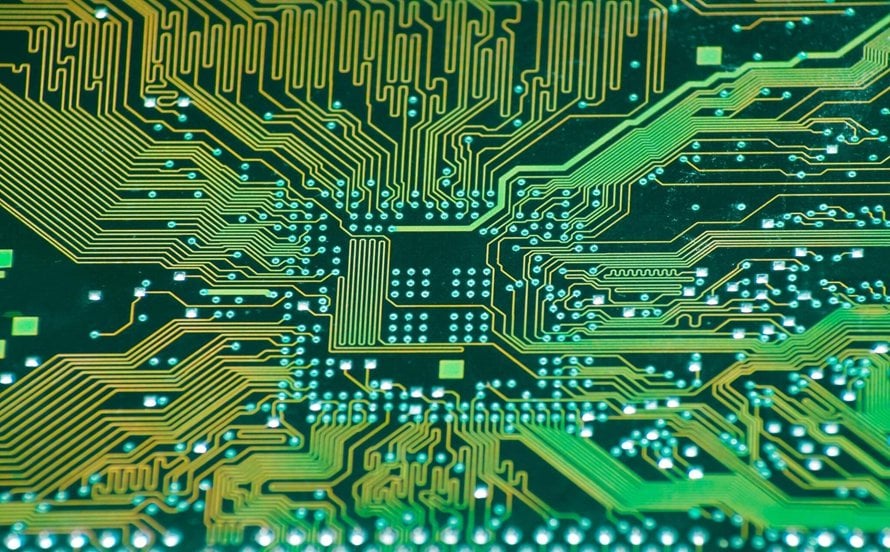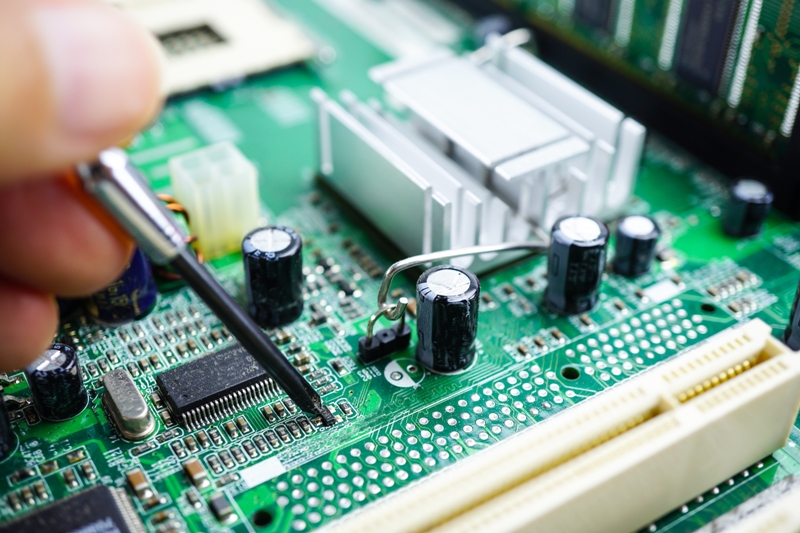
40-Layer Any-Layer Interconnect PCB Solution A 40-layer PCB is designed for high-performance electronic systems that require extremely high wiring density, stable signal integrity, and reliable power distribution. By combining high layer counts, any-layer interconnect technology, precision microvia fabrication, and advanced multilayer lamination, this type of board can support demanding…
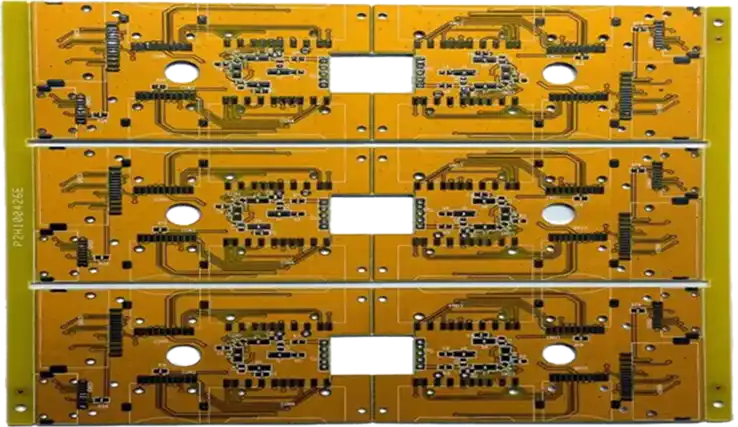
Immersion Gold vs. Immersion Silver for Multilayer PCBs Surface finishing is a critical step in multilayer PCB surface finish manufacturing. It protects exposed copper from oxidation and corrosion while helping maintain solderability, electrical performance, and long-term reliability. Among the commonly used options, immersion gold PCB and immersion silver PCB…
Multilayer PCB Via Plugging Process and Quality Control: Design and Assembly Considerations During multilayer PCB manufacturing, via plugging is an important process for maintaining PCB electrical performance, structural integrity, and long-term reliability. Vias provide critical electrical connections between different circuit layers, while proper filling helps protect the via structure,…
Automotive Multilayer PCB Manufacturing Automotive electronics operate under demanding conditions, including wide temperature fluctuations, vibration, electrical noise, high current loads, and long service cycles. As vehicle electronic systems become more integrated, automotive multilayer PCB technology has become an important foundation for vehicle control units, ADAS, radar, battery management systems,…
Automotive PCB vs Standard PCB: A Practical Review for Manufacturing Teams Printed circuit boards are the foundation of modern electronic systems, but not all PCBs are designed for the same operating conditions. Automotive PCB technology is developed for vehicle electronics that must withstand temperature changes, vibration, moisture, chemicals, and long…
How to Design a High-Speed PCB Stack-Up In high-speed electronic systems, PCB Stack-Up design is fundamental to signal integrity, power integrity, and electromagnetic compatibility. The arrangement of signal layers, ground planes, power planes, and dielectric materials directly affects signal return paths, impedance, crosstalk, EMI, and overall system stability. Unlike…
Multilayer PCB Material Selection Guide: From Prototype to Volume Production A Multilayer PCB is a critical platform for advanced electronic systems, and material selection directly affects electrical stability, thermal performance, structural reliability, and service life. Compared with single- and double-sided boards, multilayer structures must maintain compatibility between multiple dielectric…
High Tg FR4 PCB Material: Complete Technical Specifications and Selection Guide (2026) High Tg FR4 PCB material is an enhanced glass-reinforced epoxy laminate with a glass transition temperature of 170–180°C, specifically engineered to withstand lead-free assembly processes and high-temperature operating environments. Standard FR4 (Tg 130–140°C) softens during 260°C lead-free reflow,…
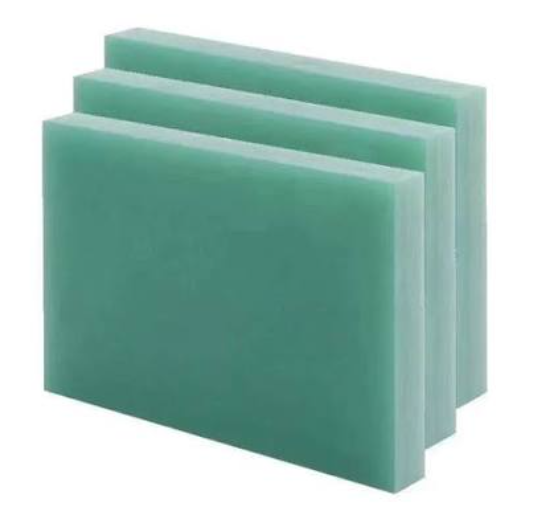
FR4 Fiberglass PCB Material: Complete Technical Specifications and Selection Guide (2026) FR4 fiberglass PCB material is a glass-reinforced epoxy laminate that serves as the industry-standard base material for rigid printed circuit boards. It offers an optimal balance of electrical insulation, mechanical strength, thermal stability, and cost-effectiveness for the majority of…
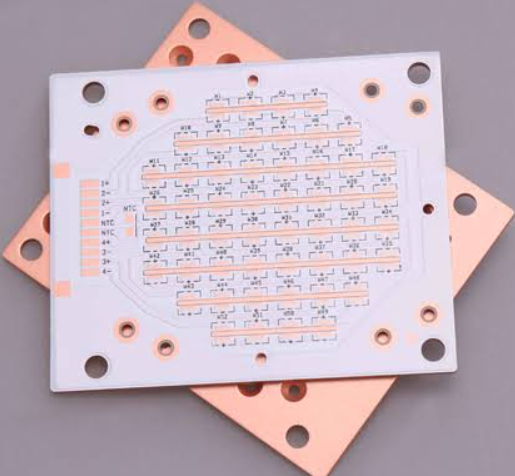
Aluminum vs FR4 PCB Material: Thermal Conductivity, Cost, and Selection Guide Aluminum PCBs deliver thermal conductivity 4–10× higher than FR4 through a metal core that acts as a built-in heatsink, while FR4 remains the industry-standard electrical insulator for multi-layer digital designs. FR4 offers superior electrical insulation, lower cost, and supports…