BGA Reballing: Complete Process, Cost and IPC Guide
What Is BGA Reballing?
BGA reballing is the controlled rework process of removing a ball grid array chip from its PCB, cleaning the old solder balls from both the chip and the board, implanting fresh solder balls, and re-attaching the chip so the interconnection is as reliable as new. The name comes from the reballing step itself, in which a stencil and fresh solder spheres restore the ball array on the underside of the package.
Reballing is used when a valuable chip is still functional but its solder joints have failed after years of thermal cycling, vibration or environmental stress. Instead of discarding an expensive processor, GPU or controller, the factory restores the chip and the board with a documented rework process. Typical targets include AI server motherboards, graphics cards, industrial control boards, automotive ECUs, medical electronics, base stations, FPGA boards and laptop motherboards.
This guide explains why reballing is needed, how the process works, which standards apply and what it costs in 2026.
Why BGA Solder Joints Fail
BGA balls sit hidden under the package, so joints fail invisibly over time. Thermal cycling is the most common cause: every power cycle expands and contracts the assembly, and after thousands of cycles micro-cracks grow in the solder. Mechanical stress from handling, installation or dropping bends the board and cracks the joints, and SMT process problems such as wrong reflow profiles, insufficient paste, flux contamination, misalignment or oxidized pads weaken joints from the first day.
Lead-free solders such as SAC305 fatigue faster under thermal cycling than legacy leaded alloys, and moisture damaged packages can suffer popcorn cracking during reflow if moisture sensitivity levels were ignored. When the chip itself survives, BGA reballing restores the connection at a fraction of the cost of replacement.
The Complete BGA Reballing Process
A professional reballing job follows a strict sequence. The board is first inspected with X-ray, AOI, microscopy, ICT or functional testing to confirm the fault location. The BGA is then removed with an automated rework station, controlling top and bottom heating, airflow and the temperature profile so the board does not warp. Residual solder is cleaned from the pads with solder wick, flux and a temperature-controlled iron until the pad array is flat.
The chip underside is cleaned of old balls and flux, and new balls are placed through a matched stencil using SAC305, Sn63-Pb37, SAC405 or a special low temperature alloy matched to the product. The balls are fused with a controlled reflow profile, the chip is placed back with vision alignment and reflowed a final time, and the result is verified with X-ray, AOI, microscopy, electrical test and functional validation before the board returns to service.
Equipment Used for Professional Reballing
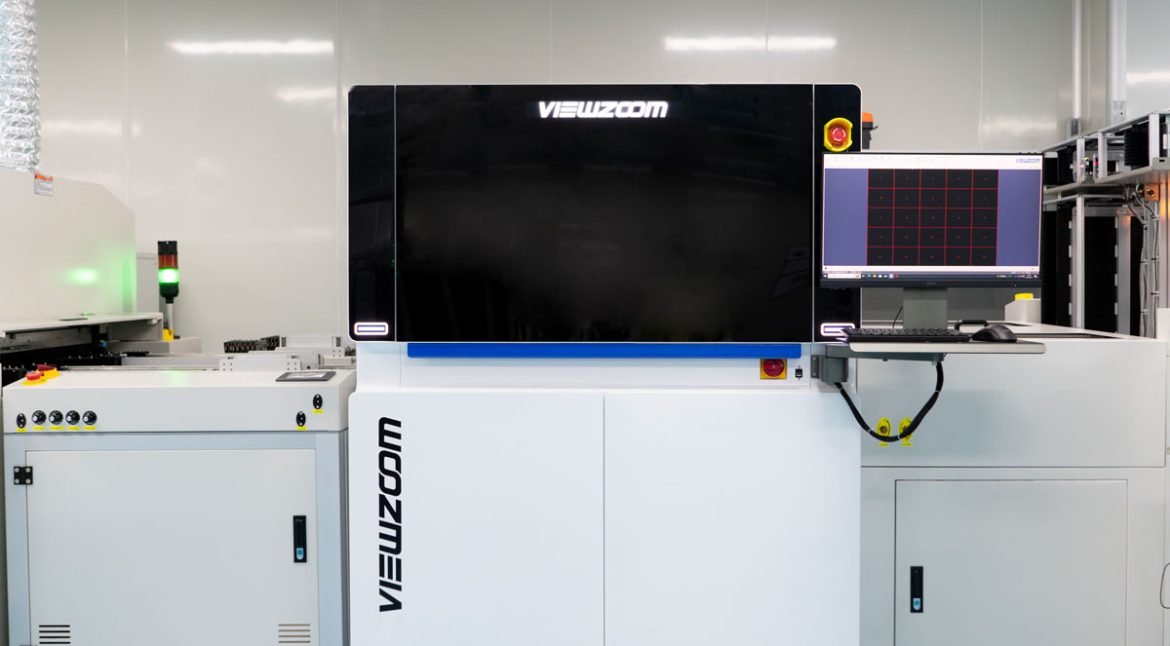
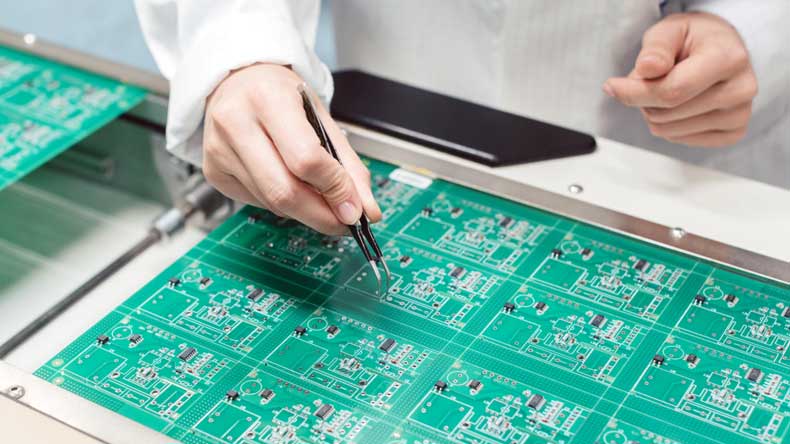
Reballing quality depends on the equipment as much as the operator. Automated BGA rework stations provide precise top and bottom heating with repeatable profiles, infrared and hot air systems handle different package sizes, and vacuum pick-up with vision alignment protects fragile chips. X-ray inspection verifies hidden joints, AOI checks visible quality, high magnification microscopes inspect balls and pads, temperature profilers validate the curve, and a full set of stencils covers common ball pitches and package sizes.
Facilities with this equipment can reball high pin count devices consistently; facilities without it produce unreliable results regardless of operator skill.
IPC Standards and Quality Requirements
BGA rework is regulated by a clear IPC standard set. IPC-7711 and IPC-7721 govern rework, repair and modification of electronic assemblies. IPC-A-610 defines solder joint acceptance criteria, IPC J-STD-001 sets process and material requirements for soldering, and IPC-7095 is the implementation guide for BGA design, assembly and rework. Following these standards keeps reballed joints within the same reliability envelope as original production.
Ball selection deserves special attention because it sets the mechanical and thermal life of the reworked joint. The alloy must match the board finish and the operating environment: SAC305 is the common lead-free choice, tin-lead alloys remain standard where mixed-metal reliability matters, and low temperature alloys protect heat sensitive packages and thin boards. Ball diameter must match the pad pitch and the stencil aperture so the finished ball height is uniform across the array, because uneven balls concentrate stress on the tallest joints. A reliable supplier documents the alloy, ball size and profile used for every rework so the result is traceable and repeatable.
Best Practices That Protect Yield
Successful reballing programs share the same habits. Use an accurate temperature profile matched to the board and chip so the laminate never sees excess heat. Select high quality flux that wets well without leaving residue. Always fit fresh balls; recycled balls carry hidden oxidation and geometry defects. Bake moisture sensitive devices before rework to prevent popcorning. Confirm every hidden joint with X-ray rather than assuming success, and finish with full functional testing and burn-in where the product demands it.
Common Defects and How to Avoid Them
Rework defects mirror production defects: solder bridges, missing balls, voids, cold joints, head-in-pillow separation, chip shift, lifted pads and board warp. Each has a process cause, from stencil misalignment and dirty pads to wrong profiles and uneven heating. Controlled process parameters, clean chemistry and complete X-ray verification reduce these risks to the point where reballed boards pass the same tests as new production.
2026 Price Reference for BGA Reballing
Pricing depends on package size, ball count, board complexity, testing depth and quantity. For sample repairs of one to five boards, a small BGA of 100 to 300 balls typically costs 30 to 80 US dollars per chip, a medium BGA of 300 to 600 balls runs 80 to 180 dollars, and large high density devices above 600 balls start around 180 to 450 dollars. Small batch rework of ten to one hundred boards generally lands between 20 and 120 dollars per chip, while high volume programs use automated tooling and custom fixtures to lower the per-unit cost substantially.
The main cost drivers are package size, ball count and pitch, board layer count, leaded versus lead-free alloy, X-ray and functional test requirements, delivery time and the difficulty of the specific board layout.
FAQ
When should a chip be reballed instead of replaced? When the chip is confirmed functional and only the solder joints have failed, reballing restores the connection for far less than the cost of a new high value device.
How long does a reballed joint last? Performed to IPC standards with fresh balls and verified joints, reballed assemblies match the reliability of original production within normal operating conditions.
Is reballing safe for fine pitch and high density BGA? Yes, when automated rework stations, matched stencils and X-ray verification are used; fine pitch work without this equipment is high risk.
Choosing a Qualified BGA Rework Partner
BGA reballing is precision work, so the supplier’s process discipline matters more than its price. Look for automated rework stations, X-ray and AOI on every job, experience with HDI and high layer count boards, leaded and lead-free capability, IPC standard compliance and functional test after rework. gopcb offers PCB assembly, BGA reballing and rework, X-ray and functional testing services for automotive, industrial, medical, AI and communications products. Send your board and chip details for a rework assessment and a BGA reballing quotation.