PCB Engineering Test Station: Types, Prices and Maintenance
Why PCB Testing Infrastructure Matters
Precision and efficiency are the heart of PCB manufacturing. Every board has to pass strict testing before it can meet industry standards and work reliably in the field, which is why the test station is a core part of the production line. A PCB engineering test station is a dedicated platform that holds, supports and tests boards during manufacturing, and it makes the difference between a defect caught in-house and a failure discovered by the customer.
Without reliable test equipment, manufacturers risk shipping defective boards, facing product failures and paying for expensive recalls. Unlike basic hand tools, an engineering test station offers a scalable, structured platform that can test multiple PCBs at once, work with other instruments and adapt to different board types. This guide explains what a PCB engineering test station is, how it works, which types exist, what they cost in 2026 and how to maintain them.
gopcb combines test stations with its PCBA testing service so every board leaves with verified quality.
What Is a PCB Engineering Test Station?
A PCB engineering test station is a modular platform used during manufacturing to support, fix and test printed circuit boards. It performs continuity testing, functional testing, endurance testing and performance verification, supports several boards at the same time and integrates with automated production lines.
Its core jobs are holding the board securely to prevent damage, providing a standard interface for test tools, supporting high volume testing and adapting to automated workflows. A well built station can place 10 to 20 boards at once and connect seamlessly to common instruments, which removes most of the variability that human hands introduce.
The difference from other equipment matters. A single purpose test fixture is built for one board model, and a probe station suits prototype work. An engineering test station is universal and scalable: it accepts multiple fixtures, adapts to different board sizes and embeds into the line, which makes it an investment for both prototype shops and volume manufacturers.
Why Manufacturing Needs Test Stations
Quality and reliability. A test station provides a stable, controlled environment that lowers human error and keeps results consistent. Vibration resistant frames and high precision fixture bases matter most in aerospace, medical and automotive products, where a board failure can have serious consequences.
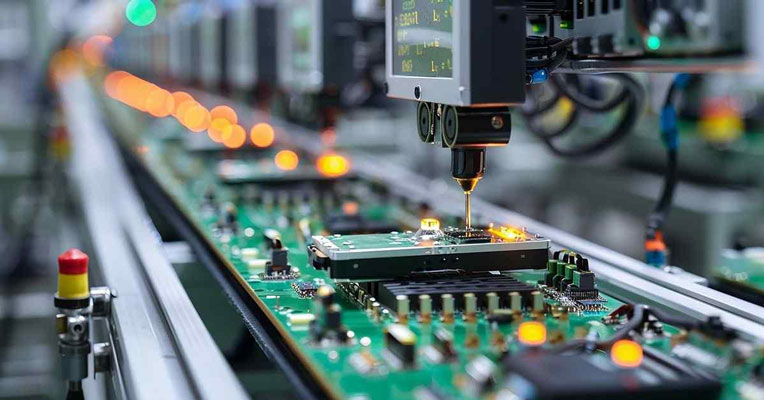
Efficiency. High volume PCB manufacturing has to test hundreds of boards every day, and manual testing is far too slow. An automated station can test up to twenty boards simultaneously, cutting test time roughly in half while reducing labor cost.
Cost and error reduction. Finding defects early minimizes repair cost and recall losses. A high precision station reduces error rates by roughly 30 percent compared with basic tools, and its modular design allows reconfiguration instead of buying new equipment for every product.
Standards compliance. Stations built to IPC and safety standards support global market access, build customer trust and avoid compliance penalties.
Core Components of a Test Station
A quality test station depends on several coordinated parts. The rack and load frame is built from steel to carry up to about 500 pounds with adjustable height and width for different board sizes. The test platform and fixture base use antistatic materials to prevent ESD damage, and modular fixture bases swap quickly between board models. Wiring and interfaces provide stable USB and Ethernet connections with clear labeling for fast setup. Safety features include emergency stop buttons and overload protection, and optional modules add temperature control, data logging and automatic loading for automotive and aerospace programs.
Types of PCB Engineering Test Stations
Test stations are classified by board type, test purpose and level of customization. Flexible PCB stations hold thin FPCs without stretching them, rigid board stations support larger formats, and mixed stations handle both. By purpose, continuity stations from about 599 to 1299 USD detect broken traces and shorts, functional stations verify that the board behaves as designed, and endurance stations in the 2499 to 5999 USD range simulate temperature cycling and vibration for long term reliability testing.
Standard stations from 599 to 3499 USD are pre-engineered and ready to buy, while custom stations starting around 2999 USD are built around board size, test needs and line integration. The custom route makes sense for HDI, medical and aerospace products that standard equipment cannot cover.
How an Automated Test Station Works
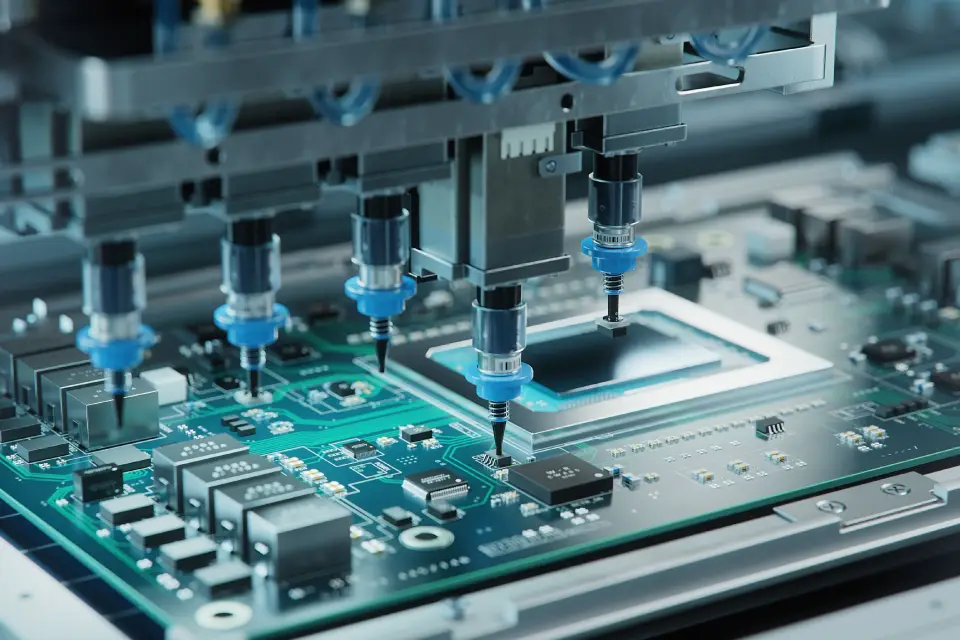
An automated station fits into the manufacturing flow in five steps. Preparation adjusts the fixture size, connects the instruments and sets parameters through a touchscreen. Loading places the PCB in the adjustable fixture, with automatic loading available for volume runs. Execution runs the preset continuity, functional and endurance programs while recording data for later analysis. Sorting marks pass and fail boards and routes them correctly, and line integration hands the tested board to conveyors or robotic arms so manufacturing moves from fabrication to test to packaging without interruption.
Selection Considerations
Start with board size and weight, since stations typically carry 100 to 500 pounds and must fit everything from small flexible boards to large rigid panels. Check test accuracy and stability, because high precision components and anti vibration frames keep readings reliable. Verify durability with steel and aluminum construction, corrosion and wear resistance and antistatic behavior in industrial environments. Compare value by price range, volume discounts and modular upgrade paths, and confirm after sales support so downtime stays short.
Maintenance Best Practices
Inspect equipment weekly for wear and loose connections, and clean it monthly with a soft antistatic cloth, never with corrosive cleaners. When the fixture becomes loose, the platform unstable or wiring faulty, fix the problem immediately using the troubleshooting guide. Lubricate moving parts every six months, check power supplies regularly and store the station in a clean, dry area. With normal maintenance a station lasts 5 to 7 years, and careful care extends that to 8 to 10 years.
2026 Price Reference
Standard continuity and functional stations range from 599 to 3499 USD, endurance and reliability stations from 2499 to 5999 USD, and custom engineered stations start around 2999 USD. Volume orders of ten or more units typically qualify for a 10 to 15 percent discount.
Pricing depends on board format, test scope, automation level and integration. For a manufacturer that runs many designs, the modular station is cheaper over time than a pile of single purpose fixtures. Pairing the station with a PCB design and layout review also helps, because test points and fixture targets planned during layout make every station run faster and more reliably.
FAQ
Can one station handle different PCB sizes? Yes. Adjustable fixtures typically cover flexible boards from about 2 by 2 inches to rigid boards up to 24 by 36 inches.
Does special PCB manufacturing need a custom station? Standard stations suit most boards, while HDI, medical and aerospace products usually need custom stations.
How do I integrate a station into my line? Modular stations connect to conveyors and robotic arms, and the supplier can provide installation and setup.
How long does a test station last? Five to seven years with normal maintenance, and eight to ten years with active care.
What is the price range? Standard stations run 599 to 5999 USD, custom stations start around 2999 USD, and volume orders receive discounts.
Get a PCB Testing Solution
The PCB engineering test station is the core equipment for efficient and accurate testing in PCB manufacturing. It protects quality, cuts cost and supports industry compliance from small prototype runs to full volume production. gopcb provides test station integration together with high reliability board fabrication and full turnkey PCB assembly, so boards are tested under one quality system from panel to finished product. Contact us for a PCB testing quotation and station selection advice.