PCB Etching Cost Analysis: Key Factors Affecting PCB Etching Prices
In PCB manufacturing, etching is a critical process that determines circuit precision, yield, and overall manufacturing cost. Many clients focus only on the total price when requesting quotes, often overlooking how the etching process itself impacts cost. In reality, PCB etching costs vary significantly depending on materials, copper thickness, line width/spacing, design complexity, and production volume. This article provides a systematic analysis of PCB etching cost structure from a manufacturing engineer’s perspective, drawing on gopcb’s practical production experience to help engineers and procurement professionals better control costs.
1. What Is PCB Etching?
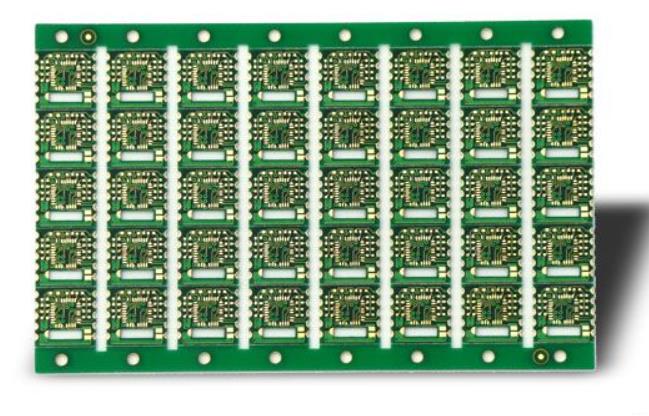
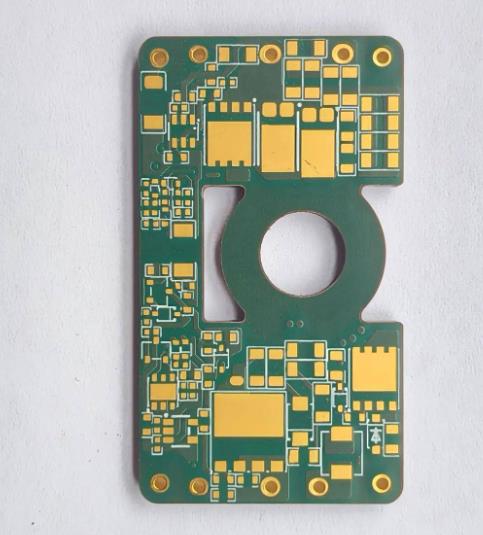
PCB etching is the process of removing excess copper foil through chemical or physical means after exposure and development, creating the desired circuit patterns. This process directly determines:
- Line width and spacing accuracy
- Copper surface uniformity
- Yield rate
- Subsequent testing and reliability performance
As PCBs evolve toward higher density, finer lines, and HDI designs, etching has transformed from a “basic process” into a significant cost driver.
2. How Different PCB Etching Processes Affect Cost
2.1 Wet Chemical Etching (Mainstream)
This is the most common and cost-effective etching method in the PCB industry, widely used for FR4, multilayer boards, and conventional industrial PCBs.
- Mature and stable
- Suitable for high-volume production
- Lowest unit cost
2.2 Dry / Plasma Etching
Primarily used for specialty materials or ultra-fine line designs. Equipment and operational costs are higher, resulting in significantly higher overall pricing.
2.3 Laser Etching
Offers extremely high precision but is expensive, suitable only for niche or special applications, not for conventional PCB mass production.
Cost perspective: Wet etching < Dry etching < Laser etching (lowest to highest)
3. Key Factors Affecting PCB Etching Prices
3.1 PCB Material Types
Different materials have varying requirements for the etching process:
- FR4: Stable etching, lowest cost
- Aluminum substrate: Requires more precise etching depth control, slightly higher cost
- High-frequency / Rogers materials: Highly sensitive, narrow etching window, typically 30%–60% higher cost
- Thick copper boards: Longer etching time, higher chemical consumption, significantly higher cost
3.2 Copper Thickness and Layer Count
Copper thickness is one of the most direct factors affecting etching cost:
- 1 oz copper: Standard cost
- 2 oz copper: Etching cost increases approximately 20%–30%
- ≥3 oz copper: Etching cost typically increases by 40% or more
Multilayer PCBs require multiple etching cycles; more layers result in higher cumulative etching costs.
3.3 Line Width/Spacing and Precision Requirements
Fine-line PCBs cost significantly more to etch than conventional designs:
- ≥6/6 mil: Cost manageable
- 5/5 mil: Moderate cost increase
- ≤4/4 mil (HDI): Etching-related costs typically increase 25%–40%
The reason is that fine lines require slower etching speeds, tighter chemical control, and higher inspection standards.
3.4 Board Size and Order Quantity
Production volume has a very significant impact on per-unit etching cost. Here are realistic market price ranges (USD):
- Prototype (1–5 pcs): Approximately $20–50 per panel
- Small batch (10–100 pcs): Approximately $5–15 per panel
- High volume (1000+ pcs): Approximately $0.50–2.00 per panel
Panel utilization is key to reducing etching costs in mass production.
3.5 Design Complexity and Special Requirements
The following design features significantly increase etching costs:
- Impedance-controlled traces
- Blind/buried via structures
- HDI stackups
- Tight ring width and registration tolerances
These factors increase inspection difficulty and risk of defects after etching. Following sound PCB design layout practices can help mitigate these challenges.
4. Common PCB Etching Cost Ranges (USD)
Based on current mainstream PCB factory quotes, reasonable etching cost ranges are:
- Standard FR4 PCB: $0.03–0.08 per square inch
- Multilayer PCB: $0.06–0.15 per square inch
- HDI / Fine-line PCB: $0.12–0.30 per square inch
- High-frequency / RF PCB: $0.15–0.40 per square inch
These figures are based on actual manufacturing quotes and are practically reliable.
5. PCB Etching Cost as a Percentage of Total Board Cost
Generally:
- Conventional PCB: Etching accounts for approximately 15%–25% of total cost
- HDI / Fine-line PCB: Etching can account for 30%–40%
As circuit density increases, etching becomes an increasingly significant cost component in PCB manufacturing.
6. Global PCB Etching Cost Comparison
From a global manufacturing perspective:
- China: Lowest etching costs
- Southeast Asia: Typically 10%–20% higher
- Europe / North America: Typically 40%–100% higher
gopcb, leveraging mature automated etching production lines and chemical recovery systems, maintains competitive pricing while ensuring consistent quality.
7. How to Reduce Etching Costs Without Compromising Quality
Engineering recommendations include:
- Avoid unnecessary ultra-fine line designs
- Standardize copper thickness specifications where possible
- Optimize PCB panel sizes
- Follow DFM design guidelines
- Communicate with the PCB manufacturer early in the design phase to avoid costly late-stage modifications
8. gopcb’s PCB Etching Service Advantages
gopcb offers professional PCB etching solutions covering:
- Standard FR4 / Multilayer PCBs
- 3/3 mil fine-line and HDI boards
- Up to 6 oz thick copper PCBs
- High-frequency / RF material etching
With stable process control and high-yield production lines, gopcb provides cost-effective PCB etching services for both prototype PCB assembly and volume production. Our comprehensive turnkey PCB assembly services ensure seamless integration from etching to final assembly. Additionally, our SMT PCB assembly capabilities complement our etching expertise for a complete manufacturing solution.
9. Conclusion
PCB etching costs are influenced by multiple factors including materials, copper thickness, design precision, order volume, and manufacturing capabilities. A deep understanding of these factors helps engineers and procurement professionals effectively control PCB manufacturing costs while ensuring performance and reliability.
Choosing a manufacturer with strong engineering capabilities and volume production experience like gopcb is key to obtaining consistent quality and transparent pricing.