PCB Solder Mask Color Selection Guide: More Than Just Green
The solder mask is an essential part of the PCB manufacturing process. It not only protects copper traces and solder joints from oxidation, corrosion, and physical damage but also provides functional advantages through different color options.
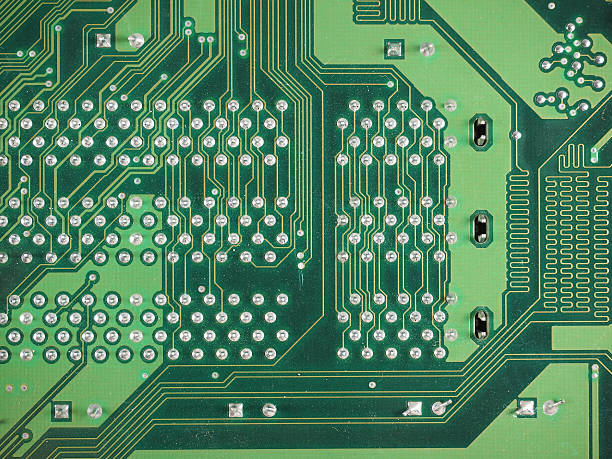
When people think about PCB solder mask colors, green is usually the first option that comes to mind. Green solder mask has been the industry standard for decades because of its excellent visibility, reliability, and manufacturing compatibility. However, with the increasing diversity of electronic applications, red, blue, black, and white solder masks have become more widely used.
Choosing the right PCB solder mask color is not simply an aesthetic decision. Different colors can influence visual inspection, product appearance, application suitability, and manufacturing requirements. Understanding the characteristics of each option helps engineers select the most suitable solution for their projects.
Red Solder Mask: High Visibility and Wide Application Compatibility
Red solder mask is widely recognized for its strong visual identification capability. Compared with traditional green solder masks, red surfaces create a stronger contrast with metallic solder joints, making PCB inspection easier during manufacturing and maintenance.
During assembly, engineers can quickly identify issues such as misplaced components, solder bridging, or incomplete solder joints. This improved visibility can help increase inspection efficiency and reduce potential production errors.
In terms of performance, red solder mask provides stable insulation properties and temperature resistance, making it suitable for many industrial and consumer electronics applications. For example, some automotive electronic modules use red solder masks because they provide clear identification while maintaining reliable operation under temperature variations.
For compact consumer electronic products, red solder mask can also serve as a visual design element, improving the overall appearance of the final product.
However, when selecting red solder mask for outdoor applications, engineers should consider weather resistance. Certain red solder mask materials may experience slight color fading after prolonged exposure to strong sunlight, so UV-resistant materials may be required.
For applications requiring customized PCB solutions, selecting a professional PCB manufacturing partner can help ensure the solder mask material matches the environmental requirements.
Blue Solder Mask: A Balance Between Performance and Visual Clarity
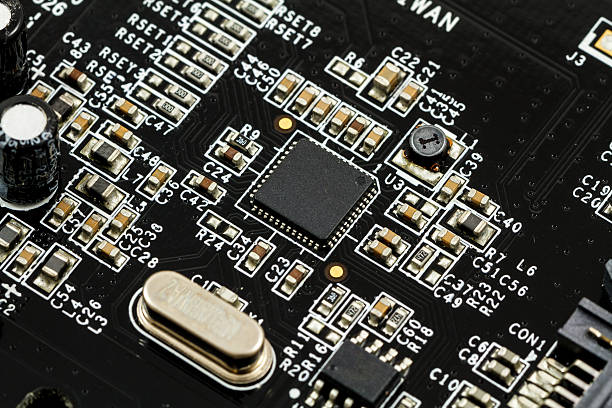
Blue solder mask has become a popular choice for precision electronic equipment due to its professional appearance and excellent contrast with white silkscreen markings.
The combination of blue solder mask and white text provides outstanding readability, making it easier for technicians to identify components, connectors, and functional areas on complex circuit boards.
This advantage makes blue solder mask commonly used in applications such as medical equipment, testing instruments, communication devices, and industrial control systems.
For example, medical monitoring equipment often requires clear labeling of interfaces and components. A blue solder mask combined with high-quality silkscreen printing can improve operation accuracy and maintenance efficiency.
From a technical perspective, blue solder mask offers stable insulation performance and chemical resistance similar to traditional green solder mask. Its thermal characteristics are also comparable, meaning the color itself generally does not significantly affect PCB heat dissipation.
For advanced electronic products that require higher circuit density, manufacturers may combine blue solder masks with multilayer PCB structures to achieve better signal routing capability and design flexibility.
It should be noted that some special PCB processes may require additional compatibility verification when using blue solder mask. Communication with the PCB manufacturer before production can help prevent coating thickness or processing issues.
Black Solder Mask: Premium Appearance and Enhanced Concealment
Black solder mask is often selected for high-end electronic products because of its elegant appearance and strong concealment capability.
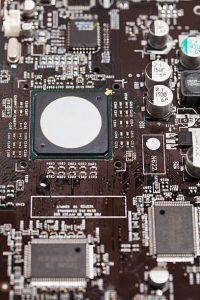
Unlike lighter colors, black solder mask makes internal copper patterns and circuit layouts less visible. This characteristic is valuable for products where appearance, confidentiality, or premium design are important.
High-end consumer electronics, security equipment, and specialized industrial products often use black solder mask to create a clean and sophisticated appearance while reducing visibility of internal PCB structures.
Another advantage of black solder mask is its resistance to UV exposure. In outdoor electronic devices or equipment exposed to strong sunlight, black solder mask can provide better protection against aging caused by ultraviolet radiation.
However, black solder mask also has limitations. Because black surfaces absorb more heat, engineers should pay additional attention to thermal management when designing high-power circuit boards.
For applications involving high-speed signals or sensitive electronic systems, designers may need to combine suitable materials with advanced structures such as high frequency PCB technology to ensure stable electrical performance.
Additionally, scratches and fingerprints are easier to notice on black surfaces, requiring stricter handling during PCB assembly and installation.
White Solder Mask: Excellent Reflection and High Contrast Identification
Although white solder mask is less common than green or blue options, it provides unique advantages in specific applications.
The most notable feature of white solder mask is its high reflectivity. This makes it particularly valuable for LED lighting applications, where the white surface can reflect light and improve illumination efficiency.
LED circuit boards frequently use white solder masks because they help create more uniform light distribution while supporting thermal management requirements.
White solder mask also provides excellent contrast when combined with dark-colored silkscreen printing. This makes component identification clearer on display systems, control panels, and specialized electronic devices.
However, white solder mask has some disadvantages. It is more likely to show contamination, dust, and stains compared with darker colors. In harsh industrial environments, regular cleaning and maintenance may be required.
In addition, high-quality white solder mask materials must maintain excellent purity and stability to prevent yellowing during long-term use.
How to Choose the Right PCB Solder Mask Color
Selecting the correct solder mask color requires consideration of application environment, performance requirements, and manufacturing capability.
1. Consider the Application Environment
Different industries have different requirements:
- Outdoor equipment may benefit from UV-resistant dark solder masks.
- Medical and precision instruments often require high visibility and clear labeling.
- Premium consumer electronics may prefer black solder mask for appearance and concealment.
- LED products commonly use white solder mask for improved light reflection.
2. Evaluate Performance Requirements
Color selection should always support technical requirements rather than only visual preferences.
For high-temperature or high-power applications, engineers should carefully evaluate heat absorption characteristics. For chemically challenging environments, corrosion resistance and material reliability should be prioritized.
For complex circuit designs requiring multiple layers and advanced routing, choosing suitable multilayer PCB manufacturing capabilities is equally important.
3. Confirm Manufacturing Compatibility
Different solder mask colors may have different requirements regarding coating thickness, curing temperature, and processing conditions.
Before production, engineers should communicate with PCB suppliers to confirm whether the selected solder mask material is compatible with the required manufacturing process.
Professional manufacturers with advanced PCB manufacturing capabilities can provide guidance on material selection, process optimization, and quality control.
Conclusion: Every PCB Solder Mask Color Has Its Own Value
The choice of PCB solder mask color is far more than a simple design preference. Green remains the industry standard because of its reliability and manufacturing advantages, but red, blue, black, and white solder masks each provide unique benefits for specific applications.
Red improves visual identification, blue enhances readability, black creates premium appearance and concealment, while white supports reflection-based applications such as LED lighting.
By considering product requirements, operating environments, and manufacturing processes, engineers can select the most suitable PCB solder mask color to improve product reliability, appearance, and overall performance.
Working with an experienced PCB supplier that provides advanced PCB manufacturing solutions ensures that the selected solder mask material and production process meet the needs of modern electronic products.