PCB Via Plugging: Types, Materials, Process and Cost Guide
Why Via Plugging Matters in Modern PCB Manufacturing
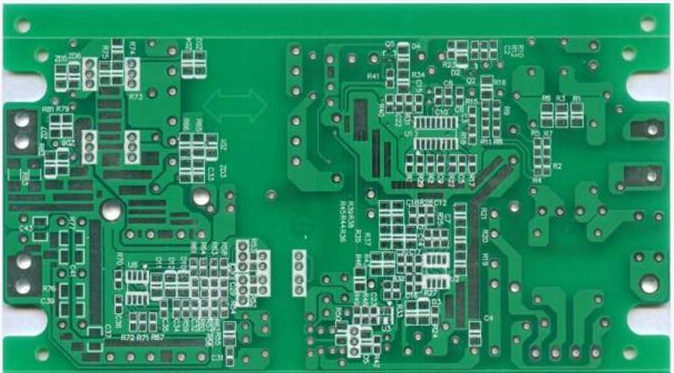
In multilayer printed circuit boards, vias are the small plated holes that carry signals and power between layers. An unfilled via leaves a hollow tube through the board, and that tube becomes a trap for dust, moisture and flux residue. During surface mount assembly it also allows solder to wick up the barrel, sometimes pulling solder away from a pad and leaving a weak joint. PCB manufacturing teams solve these problems with via plugging, a process that fills the via with a material so the hole is sealed and protected. This guide explains what via plugging is, how the types and materials compare, how the process works in practice and what it costs in 2026.
Via plugging is not the same as simple via tenting. Tenting only covers the surface of the hole with solder mask, while plugging fills the hole completely. The difference matters for engineers who design dense boards, use via in pad or place components directly over a via. A properly plugged via behaves like a solid, reliable part of the substrate instead of a weak point.
What Is PCB Via Plugging?
PCB via plugging, sometimes called via filling, is the process of filling the barrel of a plated through hole with a filler material such as epoxy resin, solder mask or a conductive paste. Once cured, the via is no longer an open tube. The filled hole can then be plated, covered or used as a landing pad for a component. Depending on the filler, the result is either electrically isolating or electrically conductive.
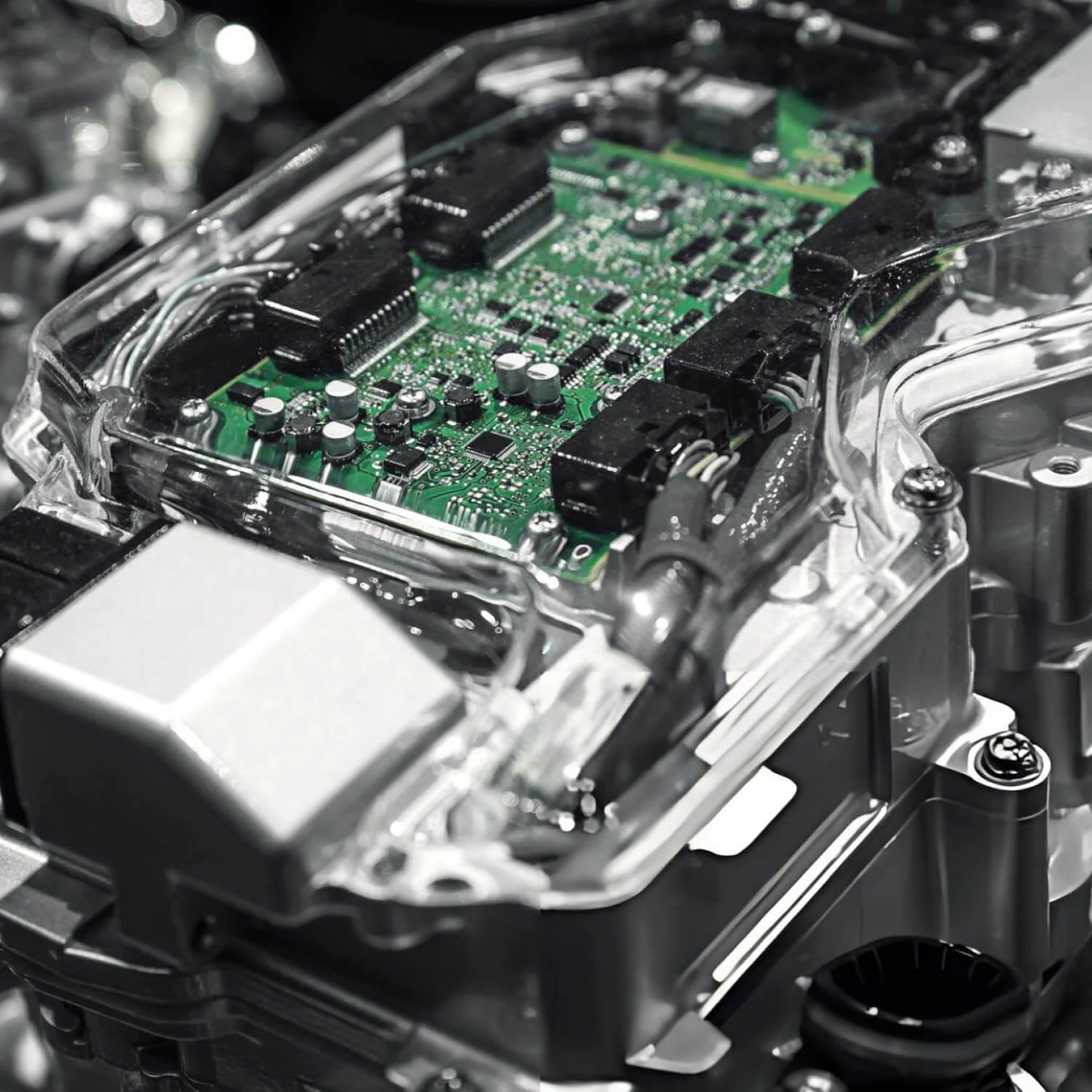
Engineers choose via plugging for four main reasons: to stop contamination from entering the board, to prevent solder wicking during reflow, to enable via in pad design and to improve signal integrity by removing the antenna-like stub that an empty via can create. The technique is especially important in automotive, medical and high density interconnect products where a single failed via can compromise an entire assembly.
Types of Via Plugging
Non conductive via plugging. The most common option fills the via with epoxy resin or a solder mask material that does not conduct electricity. It is used where the only goal is to seal the hole and isolate it electrically. Consumer electronics, IoT devices and HDI boards rely on this approach because it is fast, predictable and inexpensive. In 2026 the price is typically 0.05 to 0.15 USD per hole on standard boards and 0.10 to 0.30 USD per hole on HDI boards, with volume pricing dropping toward 0.04 USD per hole.
Conductive via plugging. This version fills the via with solder or a silver filled conductive epoxy so the hole carries current and heat. It is the right choice for power boards, LED circuits and thermal vias where the hole must conduct heat away from hot components. Pricing in 2026 runs from 0.12 to 0.25 USD per hole on standard boards and 0.20 to 0.45 USD per hole on HDI boards, with volume pricing near 0.10 USD per hole.
How to Choose: Non Conductive or Conductive
Start with the electrical requirement. If the via must be isolated, use a non conductive resin. If the via must move current or heat, use a conductive filling. Then weigh the operating environment. Sealed resin holds up better in high vibration or humid conditions, while bare solder mask is cheaper but less durable. Finally, compare budget against performance. A mixed design often uses standard resin for most vias and conductive filling only for the small set of thermal and power vias, which keeps cost controlled without over engineering the board.
Via Plugging Materials
Epoxy resin (UV and thermal cure). The most widely used filler, epoxy resin is durable, heat resistant and seals well. It is the default for non conductive plugging. In 2026 it costs roughly 80 to 120 USD per gallon. High grade resin is specified for automotive and medical boards where reliability is critical.
Solder mask. Solder mask is the cheapest option and can be applied at the same time as the outer layer coating. It suits simple hobby boards and low risk designs, but it is less durable than epoxy. Pricing is about 50 to 80 USD per gallon.
Conductive materials. Solder offers excellent thermal and electrical performance and handles high temperature and high current, while silver filled conductive epoxy cures at lower temperature and suits heat sensitive boards. In 2026 conductive epoxy costs about 150 to 250 USD per gallon and solder about 200 to 300 USD per pound. Lead free solder and silver filled epoxy are the common choices for performance and environmental compliance.
The Via Plugging Process Step by Step
1. Preparation. The board is cleaned with ultrasonic or chemical washing to remove contamination from the via walls, then inspected with automated optical inspection to catch cracks, uneven plating or oversized holes before filling.
2. Filling. The filler is injected into the vias by screen printing, vacuum filling or dispensing. Vacuum filling is preferred for small or high aspect ratio holes because it pulls the material into the barrel and removes trapped air.
3. Curing. The filler is cured with UV light or heat in an oven, following the material manufacturer’s temperature and time profile so the resin reaches full strength.
4. Finishing. The surface is sanded or planarized so the filled holes sit flush with the board, then inspected again to confirm there are no voids, bleed or surface defects. After sanding the board can move directly into solder mask and surface mount assembly.
Benefits of Via Plugging
Contamination protection. A sealed via keeps dust, water, flux and other contaminants out of the inner layers, which prevents corrosion, oxidation and shorts over the life of the product.
Stronger and more durable boards. The filler reinforces the barrel and reduces the risk of damage during handling, rework and field vibration, making the board more reliable in harsh environments.
Better signal integrity. An empty via can act like a small antenna and inject noise into high speed signals. Filling the via removes that stub effect and lowers the insertion loss and crosstalk that matter in high speed and RF designs.
Easier SMT assembly and rework. Filling prevents solder wicking, so components sit flat on their pads and joints. It also makes rework simpler because the via is sealed and no solder can migrate into the board.
Common Via Plugging Problems and Fixes
Bubbles and incomplete fill. Caused by poor filling technique or low quality filler. Use vacuum filling and high grade material, and make sure the hole is clean before filling.
Cracking and delamination. Caused by an incorrect cure profile or weak material. Use industry grade filler and follow the exact cure temperature and time, and test adhesion and thermal resistance.
Surface bleed and smearing. Caused by over filling. Control the fill volume and planarize after curing so the hole is flush with the board surface before solder mask.
Design Considerations for Via Plugging
Plan the design with the fabricator in mind. Keep via aspect ratios within the process window so the barrel can be filled evenly, and treat every via in pad as plugged. Place thermal vias close to the heat source and specify conductive filling where they must move heat. Coordinate the stack up with the PCB design and layout review so plugged vias do not interfere with routing, and confirm that test points are not buried under filled holes.
Via Plugging Cost in 2026
Pricing depends on the number of vias, the board layer count, the via size and the chosen filler. Non conductive plugging is cheaper than conductive plugging, and HDI boards cost more because the holes are smaller and the tolerance is tighter. Standard boards usually stay in the 0.05 to 0.25 USD per hole range, while HDI boards run 0.10 to 0.45 USD per hole. Volume discounts apply once the panel count rises, and the filler material is priced separately by gallon.
Because the true cost depends on production volume, it is worth requesting a quote that includes the stack up, via count and material specification before committing to a design.
FAQ
Is via plugging the same as via tenting? No. Via tenting only covers the surface with solder mask, while via plugging fills the entire barrel. Tenting is cheaper but gives less protection.
When do I need conductive via plugging? When the via must carry current or move heat, such as in power boards, LED circuits and thermal vias.
Does via plugging help signal integrity? Yes, by filling the hole it removes the stub effect that can cause reflections and noise in high speed designs.
Can all vias be plugged? Most through vias can be plugged, but very small or high aspect ratio holes may need vacuum filling and tighter process control.
Get a Reliable Via Plugging Solution
Via plugging is a small process step with a large effect on board reliability. Choosing the right type and material, and controlling the process from cleaning to finishing, keeps contamination out, improves signal integrity and makes turnkey PCB assembly smoother. Pair it with PCBA testing to confirm every board performs to specification before it ships. Contact gopcb for a via plugging quotation and layout support for your next project.