PCBA Quotation Process: Complete Pricing Guide
The PCBA quotation process is a structured workflow used by customers and electronics manufacturers to agree on the price of PCB assembly. A good quotation process varies from one customer to another, but there are standard requirements that should be followed in every high-quality PCB design and SMT processing project.
The goal of the quotation is to create a clear, complete price that covers the PCB, components, assembly, testing, and delivery. The price should be fair to both the customer and the manufacturer so that the project can proceed without hidden costs.
This guide explains the main steps in a PCBA quotation and the information needed to receive an accurate price.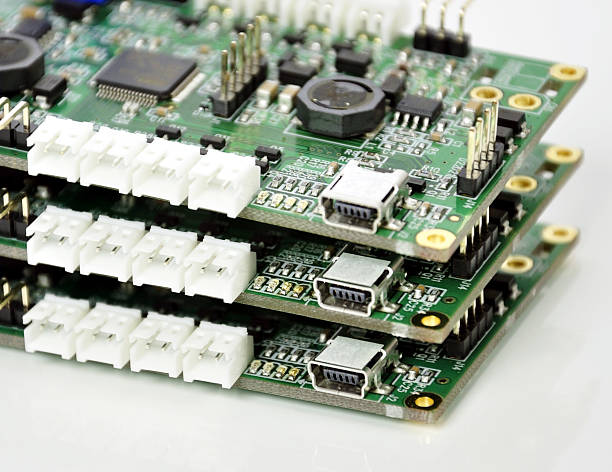
Step 1: Confirm the Manufacturer Qualification
Not every manufacturer is qualified to participate in every project. Each project requires a factory with the correct equipment, process capability, quality system, and experience.
Before sending a quotation request, the customer should conduct a background survey. The survey should review the manufacturer qualification, equipment, process capability, and procurement supply chain.
The customer should also evaluate product cases, quality records, service, and reported results. Realistic evidence is more important than a marketing statement.
Selecting the correct manufacturer first prevents quality problems and unexpected costs later.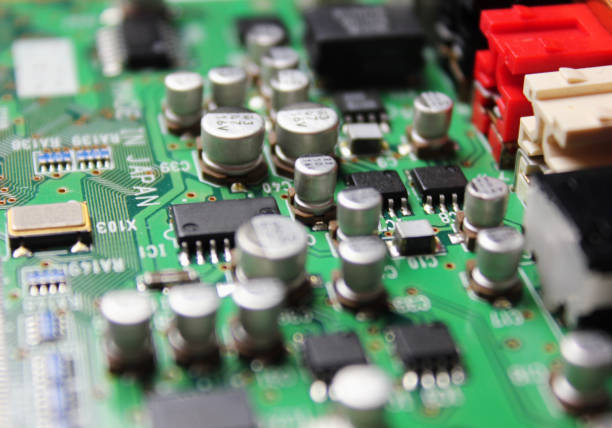
Step 2: Share Complete Project Documents
The quotation can only be accurate when the manufacturer receives the full project data. The customer should provide the PCB Gerber files, BOM, assembly drawing, and test requirements.
The BOM should include the component reference, package, value, manufacturer part number, and approved alternates. Missing component information is one of the most common causes of quotation errors.
The assembly drawing should show the top side, bottom side, polarity, and special assembly notes. The manufacturer should also know the required quantity and delivery schedule.
If any document is not final, the customer should clearly mark the revision status.
Step 3: Business Communication
Communication is a key part of the smooth development of every quotation. Frank and frequent communication is important from the beginning of the transaction through surface mounting and final product delivery.
The effectiveness of business communication directly affects the probability of errors in the project. When both parties communicate often, their understanding of the project becomes clearer.
The customer should explain the product application, quality standard, and special requirements. The manufacturer should explain its process limitations and cost structure.
Questions should be answered in writing so that both sides can refer to the agreement later.
Step 4: Review the BOM and Components
According to the BOM, the components used in the placement process must have good quality. The performance of the circuit board depends on the quality of the components and materials.
The customer should obtain component information from the manufacturer and check the quality and characteristics in detail. The quotation should identify which parts will be customer-supplied and which will be purchased by the assembly factory.
Component lead time, minimum order quantity, and obsolescence affect the price and schedule. Long-lead or scarce components should be identified during the quotation stage.
If the customer supplies components, the responsibility for missing or damaged parts should be defined clearly.
Step 5: Prepare the Quotation Details
The quotation should list every cost item so the customer can compare prices between suppliers. Typical line items include engineering review, PCB cost, component cost, assembly, testing, and packaging.
If the product has a special process, the cost should be calculated according to the quality requirement. Special processes may include BGA assembly, X-ray inspection, conformal coating, and functional test.
The quotation should state the expected lead time and the payment terms. Any volume discount or tooling charge should also be identified.
A clear quotation helps the customer manage the total project cost without hidden surprises.
Step 6: Understand Cost Drivers
PCB cost depends on the number of layers, board size, material, surface finish, and quantity. Assembly cost depends on the number of components, component types, and required testing.
Component cost is usually the largest part of a turnkey PCBA price. The component market price can change, so the quotation should state its validity period.
Testing cost increases when the board needs a dedicated ICT fixture, X-ray inspection, or a custom functional tester. Sampling inspection is less expensive than 100 percent testing.
The customer should understand which cost driver is most important for the product and ask the manufacturer for suggestions.
Step 7: Evaluate the Process Capability
The quotation should include a review of the manufacturer process capability. The factory should confirm that it can place the component sizes, inspect the packages, and perform the required tests.
If the design contains very small components, BGAs, or fine-pitch parts, the assembly service must have the correct placement machine, stencil, and inspection equipment.
The manufacturer should also review the PCB design for manufacturability. A DFM check before quotation can identify an issue that would otherwise create a cost increase later.
Process evaluation makes the quoted price more realistic.
Step 8: Sign the Contract
Contract documents are necessary for both small and large transactions. The contract provides evidence of each action taken by either party during the project.
The contract should include the transaction date, delivery date, terms and conditions, fees, materials used, and quality requirements. It should also define how design changes will affect the price and schedule.
Both parties should review the contract before signing. The signed contract is the baseline for all future communication.
Any change that occurs after signing should be documented as an amendment to the original agreement.
Step 9: Evaluate the Completed Board
After assembly, the completed circuit board must be evaluated and tested to complete the verification function of the project. The evaluated data tells the customer whether the board meets the expectation.
The assembly report should include inspection results, test data, and photos. The customer should compare the delivered board with the approved first article.
If a problem is found, the two parties should work together to find the root cause. The quotation process should not end until the product is accepted.
Customer feedback should be recorded so that the next quotation and production order can be improved.
A professional PCB assembly service can provide a transparent PCBA quotation when the project files are complete. The quotation should be reviewed together with the PCB component procurement plan.
The cost should be linked to SMT PCB assembly capability, PCBA testing requirements, and the required quality standard.
Quality and quality management requirements should be included in the quotation so that the price covers the correct inspection level.
Compare Quotations Carefully
The customer should not compare suppliers only by the lowest price. A low quotation may exclude engineering review, component procurement fees, testing, or quality records. The customer should compare the same scope of work and the same quality requirements.
Each quotation should list the included items and the excluded items. If the factory does not include X-ray inspection or functional testing, the customer should add the cost of performing those tests elsewhere. A complete comparison prevents an unpleasant cost increase after the order is placed.
The quotation should also include the delivery date and the penalties for delay when delivery is important. The customer should review the manufacturer production schedule and current capacity before accepting the lead time.
Handle Design Changes After Quotation
A PCB or component change after the quotation can affect the price and schedule. The customer should notify the manufacturer as soon as the change is known and request a revised quotation before the new version is released.
If the change affects the number of layers, board size, or component count, the PCB and assembly cost will change. A change that requires a new stencil, test fixture, or placement program may also create a one-time cost.
The revised quotation should be confirmed in writing. The manufacturer should not start production using unconfirmed changes because the resulting cost may be disputed.
Design changes should be controlled through a formal engineering change notice when the project is already in production.
Plan for Rework and Field Support
The quotation should define the responsibility for defective boards. A small number of defective boards is often covered by the manufacturing process, while a large number may require a root cause investigation.
If the defect is caused by a component supplied by the customer, the component responsibility may fall on the customer. If the defect is caused by the assembly process, the factory should repair or replace the boards at its own cost.
The customer should also ask about the return and field support process. A board that fails after delivery may need to be returned to the factory for analysis. The quotation should explain how this process is managed and who pays for the shipping and analysis.
Clear responsibility rules prevent a quality problem from becoming a long commercial dispute.
Review the Quotation With the Engineering Team
The quotation should be reviewed by the customer engineering team before purchase. The engineers should confirm that the BOM, test requirements, and special processes in the quotation match the product specification.
A sales-only review may miss a technical item such as impedance control, conformal coating, or X-ray inspection. Including engineering in the review reduces the risk that the final product does not meet the expected quality.
The manufacturer engineering team should also review the files and send questions before the quotation is finalized. This is the best time to identify a DFM problem.
Conclusion
The PCBA quotation is a round-trip process that moves through a series of discussions and negotiations. The manufacturer must be qualified, the documents must be complete, and both parties must communicate clearly.
The quotation should show every cost, the process capability, and the delivery condition. Only when the expectations of both parties are the same will a complete and accurate quotation appear.
Following a clear quotation process reduces project risk and helps the customer receive a reliable product at a fair price.