Quick Turn PCB Price Guide: The Real Cost of Speed
In today’s electronics industry, time-to-market often outweighs marginal cost savings. Whether you’re a hardware startup validating a prototype or an engineering team responding to an urgent design change, quick-turn PCB manufacturing has become an essential service.
However, speed comes at a price. Understanding quick-turn PCB pricing, cost drivers, and real-world tradeoffs helps engineers and procurement professionals make informed decisions—avoiding unnecessary overhead or quality risks. This guide breaks down the true cost of speed, with real USD price ranges, cost comparison tables, and manufacturing insights.
1. What Is Quick-Turn PCB?
A quick-turn PCB is a printed circuit board manufacturing service with significantly reduced lead times compared to standard production cycles.
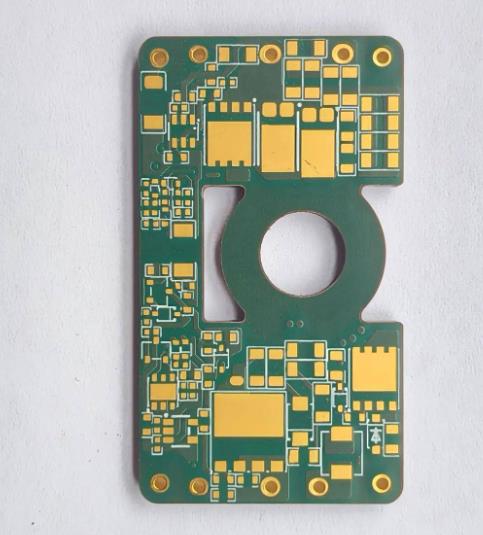
Typical turnaround times include:
- 24–48 hours: Simple 2-layer prototype boards
- 3–5 days: 4–6 layer boards
- 5–7 days: Complex HDI or controlled-impedance boards
Compared to standard PCBs (7–15 working days), quick-turn orders receive priority in engineering review, material allocation, and production scheduling. For high-quality PCB manufacturing, gopcb ensures rapid turnaround without compromising quality.
2. Why Speed Increases PCB Cost
From a manufacturing perspective, accelerating lead times isn’t just about “working faster”—it’s about resource reallocation.
Key cost factors include:
- Expedited CAM and DFM reviews (typically completed within hours)
- Production prioritization, displacing scheduled orders
- Overtime labor for drilling, imaging, and routing
- Small-batch material preparation
In short, your order disrupts the normal production flow, and this “priority” comes at a premium.
3. Key Factors Determining Quick-Turn PCB Pricing
Layer Count & Board Complexity
- 2-layer boards: fastest and most cost-effective
- Multilayer, HDI, blind/buried vias: significantly higher cost
PCB Size & Quantity
- Small panels with low utilization have higher per-unit costs
- Ultra-low quantities (1–5 pieces) incur high setup charges
Material Selection
- Standard FR-4: lowest cost, readily available
- High-Tg FR-4: 10–20% price increase
- Rogers or high-frequency materials: 30–80% price increase
Surface Finish & Special Processes
- HASL: lowest cost
- ENIG: adds $0.02–0.05 per square inch
- Impedance control, via-in-pad, heavy copper: additional fees
Testing & Quality Requirements
- Flying probe testing: suitable for quick-turn
- 100% electrical testing: adds cost but reduces risk
4. Quick-Turn PCB Price Ranges
Below are typical quick-turn PCB quotes from industry sources (PCB fabrication only, excluding assembly):
2-Layer Quick-Turn PCB
- Lead Time: 24–48 hours
- Price: USD 50–120 (5–10 pieces, small board size)
4–6 Layer Quick-Turn PCB
- Lead Time: 3–5 days
- Price: USD 180–450 (5 pieces)
HDI / High-Complexity Boards
- Lead Time: 5–7 days
- Price: USD 600–1,500+, depending on structure complexity
These figures reflect real market pricing from reputable manufacturers like gopcb.
5. Prototype vs. Low-Volume Quick-Turn PCB Cost Comparison
| Production Type | Quantity | Unit Cost (USD) | Typical Application |
|---|---|---|---|
| Prototype | 1–5 | $30–150 | Design validation |
| Engineering EVT | 10–30 | $15–60 | Functional testing |
| Low-Volume | 50–100 | $8–25 | Pilot runs & pre-production |
Tip: Unit cost drops rapidly as volume increases. Ordering slightly more can significantly reduce overall cost. For low-volume PCB assembly, gopcb offers competitive pricing with fast turnaround.
6. Quick-Turn PCB vs. Standard PCB: Cost & Lead Time Comparison
| Item | Quick-Turn PCB | Standard PCB |
|---|---|---|
| Lead Time | 1–5 days | 7–15 days |
| Cost | 30%–100% higher | Baseline cost |
| Scheduling | Priority | Normal queue |
| Best For | Prototype validation, urgent changes | Stable mass production |
Engineering rule of thumb: If a one-week delay costs more than the price premium, quick-turn is the economically sound choice.
7. Hidden Costs in Quick-Turn PCB Orders
Expedited delivery doesn’t eliminate risks—it can actually amplify them:
- Design errors → costly rework
- Material shortages → forced material upgrades
- Shipping or logistics expedite fees
- Incomplete files → CAM review delays
Partnering with an experienced manufacturer significantly reduces these risks. gopcb provides comprehensive DFM support to catch issues early.
8. How to Reduce Quick-Turn PCB Costs Without Sacrificing Speed
Engineers can control costs by:
- Finalizing stack-up before ordering
- Avoiding unnecessary impedance requirements
- Using standard board thickness and materials
- Optimizing panel utilization for order quantity
- Clearly distinguishing “must-have” vs. “nice-to-have” specifications
gopcb offers pre-production DFM review services to help clients save time and money. For turnkey solutions, explore turnkey PCB assembly and SMT PCB assembly options.
9. Global Quick-Turn PCB Price Comparison
| Region | Cost Level | Lead Time | Best For |
|---|---|---|---|
| China | Low–Medium | Fast | Prototypes & low-volume |
| USA | High | Very Fast | Defense, compliance projects |
| Europe | High | Medium | Specialized industries |
As a leading Chinese quick-turn PCB provider, gopcb delivers cost-effective, fast, and consistent quality to global customers.
10. gopcb Quick-Turn PCB Pricing & Services
gopcb’s core strengths:
- 24–48 hour quick-turn on prototype boards
- Multilayer and HDI high-speed manufacturing
- Cost-controlled prototyping and low-volume production
Customer benefits:
- Transparent pricing with no hidden expedite fees
- Engineering-driven DFM reviews
- Consistent quality even with fast delivery
For prototyping needs, explore prototype PCB assembly services at gopcb.
11. Who Should Use Quick-Turn PCB Services?
- Hardware startups validating prototypes
- Engineering teams responding to ECO changes
- Automotive and industrial electronics R&D
- Medical and test equipment prototyping
If project time risk outweighs manufacturing cost, quick-turn PCB is the optimal choice.
12. Quick-Turn PCB Pricing FAQs
1. Is quick-turn PCB always more expensive?
Unit cost is typically higher, but total project cost may be lower by reducing delays.
2. How fast is “quick-turn” in production?
Simple 2-layer designs can ship in as little as 24 hours.
3. Can I get both speed and quality?
Yes—with an experienced manufacturer and robust DFM controls. gopcb ensures both.
13. Conclusion: Balancing Speed, Cost, and Risk
Quick-turn PCB pricing reflects real manufacturing tradeoffs. You’re not just paying for speed—you’re paying for priority, engineering expertise, and reduced time-to-market risk. By understanding cost drivers and choosing a reliable partner like gopcb, engineers can deliver PCBs fast while maintaining quality and budget control.
For end-to-end solutions, explore gopcb’s PCB design & layout and component procurement services to streamline your entire project.