Rework Station Selection for SMT and Through Hole Repair
Rework is the part of the process where the strongest equipment and the least controlled method often meet. A technician with a hot air tool can replace a fine pitch package, but only if the tool delivers heat in a way that mimics the reflow profile and if the board is supported at the right temperature. Selecting a rework station is therefore a question of what the heat source does to the joint, the component and the surrounding area. This article compares the heating methods and sets out what a station has to control to be useful.
Why Rework Is Harder Than Assembly
Assembly heats a whole board in a controlled environment. Rework heats one local area while the rest of the board acts as a heat sink, and the same area is already populated with parts that must not be disturbed. The thermal gradient across the board is much steeper, which increases mechanical stress and makes it harder to bring a single joint to temperature without overheating its neighbours.
The second difference is measurement. In an oven, the profile is verified with thermocouples on a sample board. In rework, the operator judges by appearance and by the moment the alloy melts, which is a much weaker signal. A station that provides profile control and temperature feedback removes most of that uncertainty.
Hot Air Heating
Hot air is the most common method because it heats the joint and the component body at the same time and works without contact. A nozzle directs heated air over the package, and a bottom side preheater raises the board temperature so that the top side does not have to supply all the energy. The result can be very close to a reflow profile when the airflow and the nozzle are matched to the package.
The weaknesses are airflow related. Too much flow disturbs neighbouring components or blows small parts away, and a nozzle that is too small concentrates heat on the package edge while the centre lags. Nozzle selection matters as much as the station itself, and a nozzle matched to the package outline is the usual starting point.
Infrared and Conduction Heating
Infrared heats by radiation, which penetrates and heats the whole area under the emitter rather than only the joint. The advantage is that no airflow disturbs components, and the disadvantage is that different surfaces absorb radiation differently, so a dark component and a shiny metal lead reach different temperatures in the same field.
Conduction heating places a heated tip or a heated block in contact with the joint or the component. It transfers energy efficiently and precisely, and it is the method of choice for removing a specific lead or a small package. The limitation is mechanical: the tip has to reach the joint without touching anything else, and the force applied must be low enough to avoid damaging the pad.
Bottom Side Preheat
Preheat is what makes local rework practical on a board with copper planes. The board is brought to a temperature below the alloy melting point so that the top side heat source only has to supply the remaining energy. Without it, the copper conducts heat away faster than the nozzle can supply it and the operator compensates by raising the temperature, which is the usual route to laminate damage.
Preheat also reduces thermal shock. A board that goes from room temperature to reflow temperature in a few seconds stresses the laminate and the joints around the rework area, and that stress is a common cause of the secondary failures found after a repair. Measuring the board temperature during preheat, rather than relying on the heater setting, keeps the process repeatable.
Profile Control and Verification
A rework station should be able to store and repeat a profile rather than only a setpoint. Ramp rate, soak time, peak temperature and cooling rate all affect the joint, and the same parameters that were validated for the assembly process should be reproduced as closely as the tool allows. Stations that record the profile make the repair traceable, which matters when a repaired unit later fails.
Verification uses a thermocouple on a sacrificial board. The technique is the same as the one used for oven profiling described in reflow oven profile verification, with the thermocouple attached to the joint being reworked rather than to a representative joint. Building a profile for each package family that is reworked regularly is a small investment that removes most of the variability between operators.
Nozzles, Fixtures and Consumables
Nozzle selection depends on the package. A quad flat package benefits from a nozzle that surrounds the leads, while a ball grid array needs a nozzle that heats the whole package uniformly. Where a package has a large thermal mass, a nozzle that covers the body and directs air around the perimeter is usually more effective than one that blows straight down.
Fixturing holds the board and supports it where the rework happens. A board that is not supported can flex when the operator applies force to remove a component, and the flex transfers into joints outside the rework area. The support structure should be adjusted for the board family rather than improvised from whatever is available, and the placement of the support is a design consideration covered in component placement and pad positioning.
Avoiding Thermal Damage
Thermal damage is the failure mode that matters most in rework, because it is created by the repair itself. The visible forms are mask discolouration, laminate blistering, pad lifting and delamination around the reworked area, and the invisible form is a joint elsewhere on the board that was stressed enough to crack internally while still measuring correctly.
Preventing it comes down to four practices. Keep the peak temperature as low as the alloy allows, limit the time above liquidus, preheat the board so the local heat source does not have to work alone, and let the joint cool without forced air or mechanical disturbance. A station that records the profile makes it possible to confirm that the practices were followed rather than assumed.
When Hand Rework Is the Wrong Answer
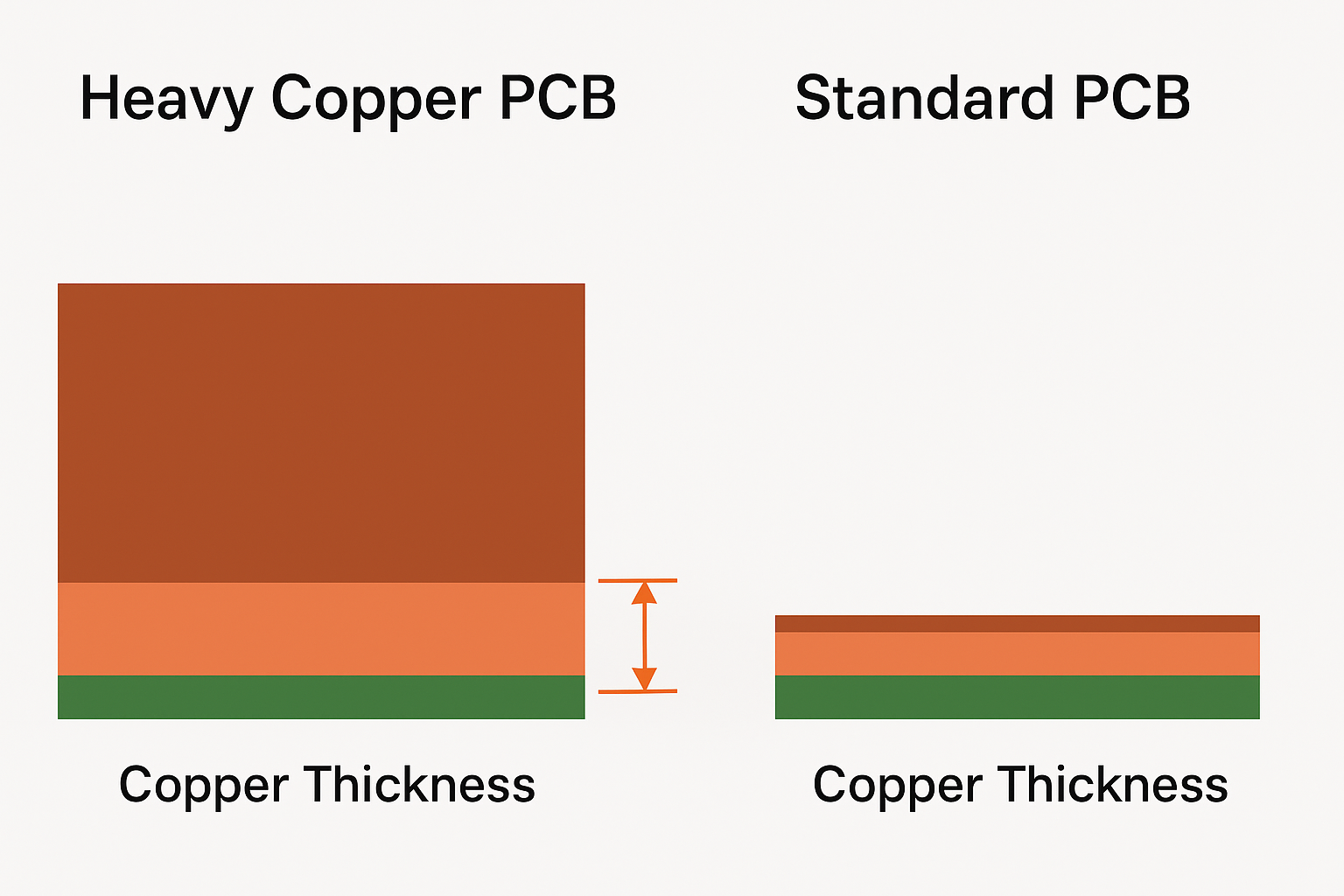
There is a threshold beyond which hand rework cannot produce a reliable result. Very large area array packages, packages with an underfill that cannot be softened, boards with a thick copper stack and components that were never designed to be removed are all cases where the attempt usually damages the board more than the original defect.
Deciding in advance which repairs are permitted is part of setting up a rework area. The station, the profiles and the permitted operations should be defined together, and the limits should be written down so that a technician under schedule pressure does not attempt a repair that the gopcb quality team would reject. The result of any repair is then judged against the same criteria used for new production, described in solder joint acceptance criteria.
FAQ
Is hot air always better than infrared? No. Hot air is more like reflow and works on most packages, while infrared is better where airflow would move neighbouring parts. Many stations offer both for that reason.
How important is bottom side preheat? It is the difference between a controlled repair and a thermal shock. On a board with large copper areas, it is essential.
Can a rework station repair a ball grid array? Yes, if the profile is verified, the preheat is adequate and the package is within the size the station can heat uniformly. Beyond that size, the repair is not reliable.