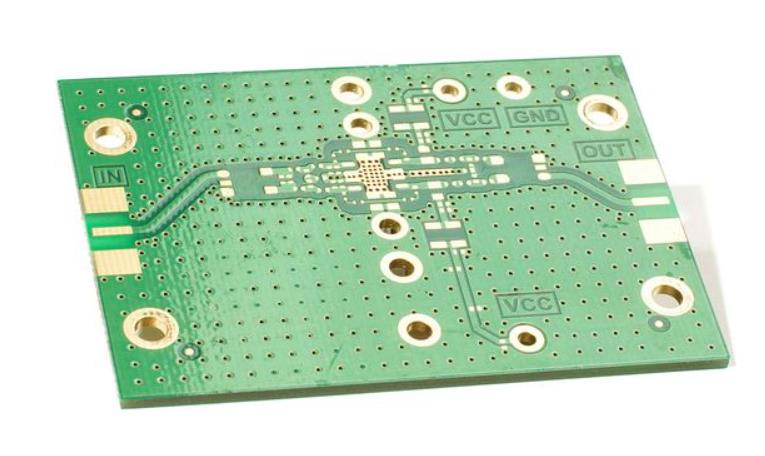
Ultrasonic Cleaning of Assembled Boards and Stencils
Ultrasonic cleaning uses sound waves in a liquid bath to remove flux, paste and particulate contamination from an assembly. The waves create microscopic bubbles that collapse against the surface, and the energy released at each collapse lifts contamination from places that brushing cannot reach, including under a component and inside a connector body. It is a powerful method, and the same energy that makes it effective is what makes it necessary to understand its limits before it is applied to a product.
How Ultrasonic Cleaning Works
A transducer drives the bath at a frequency typically between twenty and eighty kilohertz, and the pressure waves that travel through the liquid alternately compress and stretch it. Where the liquid is stretched beyond its tensile strength, cavities form and collapse, and the collapse produces a local jet of liquid against the surface being cleaned.
The process reaches into gaps that a spray or an immersion wash cannot, which is why it is chosen for assemblies with fine pitch components, low standoff parts and complex hardware. It is also a global process: everything in the bath receives the same treatment, including parts that may not tolerate it, so the assembly has to be assessed as a whole before the process is chosen.
Cavitation and Its Limits
The effectiveness of the bath depends on how much cavitation energy reaches the surface, and that is affected by the frequency, the temperature, the dissolved gas content and the load in the tank. A higher frequency produces smaller and gentler bubbles, which is better for delicate features, while a lower frequency produces larger and more energetic collapses.
The distribution of energy is never perfectly even, and it can be mapped with a foil test that shows where the cavitation is strongest. Standing waves in the tank create nodes where cleaning is poor and antinodes where it is aggressive, and the pattern changes with the liquid level and the load. Racks, positioning and the number of boards in the tank therefore affect the result as much as the chemistry does, and a rack that shields one board from the transducer will leave that board dirtier than its neighbours.
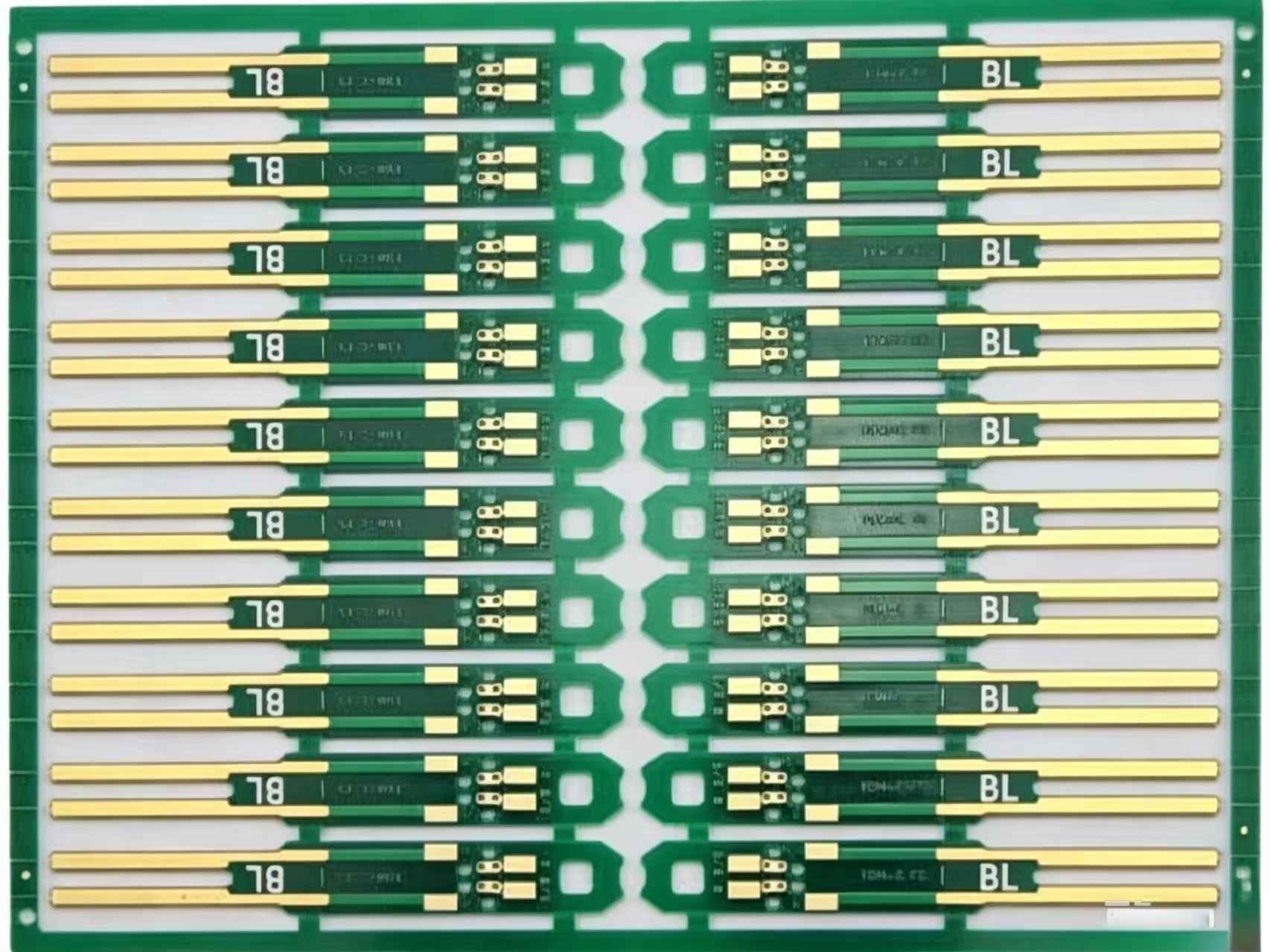
Cleaning Chemistry Selection
The liquid is not just water. Aqueous cleaning chemistry is formulated to saponify flux residues, to keep particles suspended and to protect metal surfaces from corrosion during and after the wash. The choice depends on the flux that has to be removed, on the metals present and on the required cleanliness level.
Chemistry that is too aggressive attacks aluminium, causes discolouration on some finishes and can etch the surface of a plated part. Chemistry that is too mild leaves residues that later cause leakage currents or coating adhesion failures. The supplier’s recommendation is a starting point, but the final choice has to be verified on the actual assembly, and the verification should include a corrosion check on the metals that are exposed.
<img src="https://www.gopcba.com/wp-content/uploads/2026/09/243-1.jpg" alt="Stencil cleaning bath removing solder paste from apertures” />
Residue Removal and Cleanliness Testing
Cleanliness is measured rather than judged. Ionic contamination testing extracts the remaining ionic material from the board and reports an equivalent figure, while visual inspection under magnification and surface insulation resistance testing answer different questions about what remains on the surface and how it behaves electrically.
The measurement should be made on the production assembly with its actual component mix, because a component can release material into the bath or trap material that the test then detects. A process that passes on a bare coupon and fails on a populated board is a sign that the cleaning parameters were qualified on the wrong test vehicle, and the same trap catches processes that were qualified with a different flux.
Component and Package Sensitivity
The energy that removes contamination can also damage a component. Wire bonded parts, crystal oscillators, relays, some sensors and devices with internal cavities are all sensitive to ultrasonic energy, and the sensitivity depends on the frequency and on the duration of exposure. The same part can be safe at one frequency and damaged at another.
Manufacturer guidance should be obtained before a sensitive part is put through the process, and the qualification should include a functional test after cleaning as well as a visual one. Where a part cannot be exposed, it has to be added after cleaning or protected during the process, and that decision affects the order of the assembly operations. It also changes the handling requirements, because a board that has been cleaned is more sensitive to contamination than an untreated one.
Stencil Cleaning Applications
Stencils benefit from the same process for the same reason: paste residue reacts with the aperture walls and changes the release characteristics of the print. Ultrasonic cleaning removes paste from apertures that a manual wash cannot reach, and it does so without the mechanical damage that scrubbing can cause to the thin metal.
The parameters differ from those used for boards. A stencil is a simple metal sheet with a mesh in a frame, so the energy can be higher and the chemistry simpler, but the bath must not attack the frame, the adhesive or the coating on the stencil. Cleaning frequency is a process decision, and it is covered in the guide to the fabrication notes checklist.
Bath Maintenance and Contamination
The bath becomes a reservoir of everything it removes. Flux, solder particles, oils and dissolved metals accumulate, and at some point the bath is no longer cleaning; it is redistributing contamination onto the boards. Filtration, skimming and periodic changes are what keep the liquid inside its specification.
Contamination control should include the concentration of the chemistry, the pH, the temperature, the filtration condition and, for some processes, the ionic content of the bath itself. A bath that is monitored on those parameters will fail predictably rather than suddenly, and the change can be planned rather than discovered. The records also make it possible to see whether a rise in contamination follows a particular product or flux.
Drying and Rinsing
Rinsing removes the chemistry that has lifted the residues, and it has to be thorough because the same liquid that carries contamination away can leave a film behind. Deionised water is normally used for the final rinse so that dissolved solids are not deposited as the water evaporates.
Drying should be fast enough to prevent water marks and corrosion, and gentle enough not to damage the components. Hot air, nitrogen and vacuum drying are all used, and the choice depends on the assembly and on the finish. Trapped water under a low standoff component is a common cause of corrosion that appears weeks after the boards were shipped, so the drying step deserves the same attention as the wash itself.
Qualification and Process Control
A cleaning process should be qualified before it is used in production. That means defined parameters, a measured cleanliness result, a functional check on sensitive components and a documented procedure for the operators. The qualification should be repeated when the chemistry, the equipment or the assembly changes.
Control then follows from records: bath parameters, cleaning time, temperature, rinse quality and the cleanliness result of a sample. Those records show when the process is drifting and allow the bath to be corrected before a batch has to be reworked. The inspection techniques that support that verification are described in the guide to judging PCB quality, and the electrical checks that follow a cleaning change are covered in the guide to short circuit inspection methods.
FAQ
Is ultrasonic cleaning safe for all components? No. Parts with internal cavities, wire bonds or fine mechanical structures can be damaged by cavitation energy, and the safe level depends on the frequency and the duration. Manufacturer guidance and a functional check after cleaning are both needed before the process is applied.
How clean is clean enough? The answer depends on the product and on what the residue will do. A conformally coated assembly, a high voltage product and a consumer board in a dry environment all have different requirements, and the limit should be expressed as a measured value rather than as an appearance.
Can ultrasonic cleaning replace a stencil wash by hand? In most cases it does the job better, because it reaches into the apertures and does not wear the metal. The parameters still have to be set for the stencil and its frame, and the bath has to be maintained so that it does not deposit contamination back into the openings.