Work Instruction and Visual Aids
A work instruction is the document that tells an operator what to do at a station, and it is read more often than any other document in the factory. Its quality therefore has a disproportionate effect on consistency.
The instruction should be written for the person doing the work, which means short sentences, specific values and pictures rather than paragraphs of text.
What the Instruction Has to Contain
The product, the station, the revision and the materials, followed by the steps in order with the values that must be achieved. Anything that is not needed at the station should be left out or referenced.
The acceptance criteria should be visible, since the operator needs to know when the step is complete. A criterion that is only in a quality manual is not available at the point of use.
Visual Aids
A photograph or a diagram of the correct result removes ambiguity that words create. The image should be taken at the station, under the lighting used there, and at the magnification used for the check.
Images that are taken in an office and printed in greyscale lose the very features they are meant to show. The aid should be verified at the station rather than approved at a desk.
Values and Tolerances
Where a value matters, the instruction should state it with its tolerance, and the measurement method should be identified. A torque without a tool specification is not a specification.
The value should be given in the units the equipment uses, so that no conversion is required at the station. A conversion step is an opportunity for an error.
Revision Control
The instruction must carry its revision, and the station must be working from the current one. A superseded instruction on the line is a defect source that is invisible in the records.
The revision should be checked at the audit and after every change, since an instruction that is not updated is worse than one that is missing. This is described with the change process for revisions.
Language and Readability
The instruction should be written in the language of the operators or provided in the languages used at the station, and the reading level should match. A document that is not understood is not followed.
Sentences should be short and active, and each step should contain one action. A step with two actions will have one of them done inconsistently.
Training and Sign Off
The instruction is the reference for the training, and the assessment should be against it. Where the training and the instruction disagree, the instruction is what the operator will use.
The training records should reference the instruction revision that was used, so that a later question about what was taught can be answered. The practice is described for workmanship training.
Feedback and Improvement
Operators find the steps that do not work, and a route for the feedback should exist. An instruction that is corrected by the people who use it improves faster than one reviewed annually by its author.
Where a step is routinely skipped, the instruction is usually wrong rather than the operator. This is the observation that the process audit is designed to surface.
Records
The instruction, its revision history and the training records should be kept together, so that the state of the station at a given time can be established.
They belong with the production documentation described for manufacturing processes.
Additional Considerations for This Build
Practical attention to operator feedback pays for itself here, because it decides whether the finished board behaves as the drawing intended. Where the requirement is not stated on the fabrication drawing or in the assembly notes, the shop has to assume a default, and that default is rarely the value the design was simulated with. Stating operator feedback explicitly, together with the tolerance that applies, removes the assumption and keeps the result predictable from batch to batch.
Process Control and Verification
On a design of this kind, operator feedback is the item that decides how the rest of the board is arranged. A short note on the drawing about handling, storage or packaging is often worth more than an extra decimal place on a tolerance. Where a value sits close to a process limit, the drawing should say so, since the shop can then open the process window rather than working to a nominal figure that carries no tolerance.
A stack-up that is drawn rather than described removes most of the ambiguity from a quotation, and it lets the fabricator price the board against the dielectric and copper weights that will actually be used. Where the requirement is not written down, the shop supplies its own default, and the default is chosen for the process rather than for the design.
The measurements that matter are the repeatable ones: conductor width and spacing, annular ring, finished hole size, plating thickness and surface finish are all verifiable on a coupon that travels with the panel. Running a first article through the same checks as the production panel confirms that the two agree, and that comparison is the cheapest form of process control available at prototype stage.
Keeping a sample from the panel turns a dispute into a measurement, because the same coupon can be re-examined by both parties without rebuilding the batch. Reviewing the design before the data is released is cheaper than correcting it after the panel is in the tank, because every step downstream inherits the decision made at the front end.
Process Control and Verification
On a design of this kind, operator feedback is the item that decides how the rest of the board is arranged. A short note on the drawing about handling, storage or packaging is often worth more than an extra decimal place on a tolerance. Where a value sits close to a process limit, the drawing should say so, since the shop can then open the process window rather than working to a nominal figure that carries no tolerance.
A stack-up that is drawn rather than described removes most of the ambiguity from a quotation, and it lets the fabricator price the board against the dielectric and copper weights that will actually be used.
Process Control and Verification
On a design of this kind, operator feedback is the item that decides how the rest of the board is arranged. A short note on the drawing about handling, storage or packaging is often worth more than an extra decimal place on a tolerance. Where a value sits close to a process limit, the drawing should say so, since the shop can then open the process window rather than working to a nominal figure that carries no tolerance.
A first article check confirms that the process and the drawing agree on the points listed above, and that the coupon data supports the values used in the design.
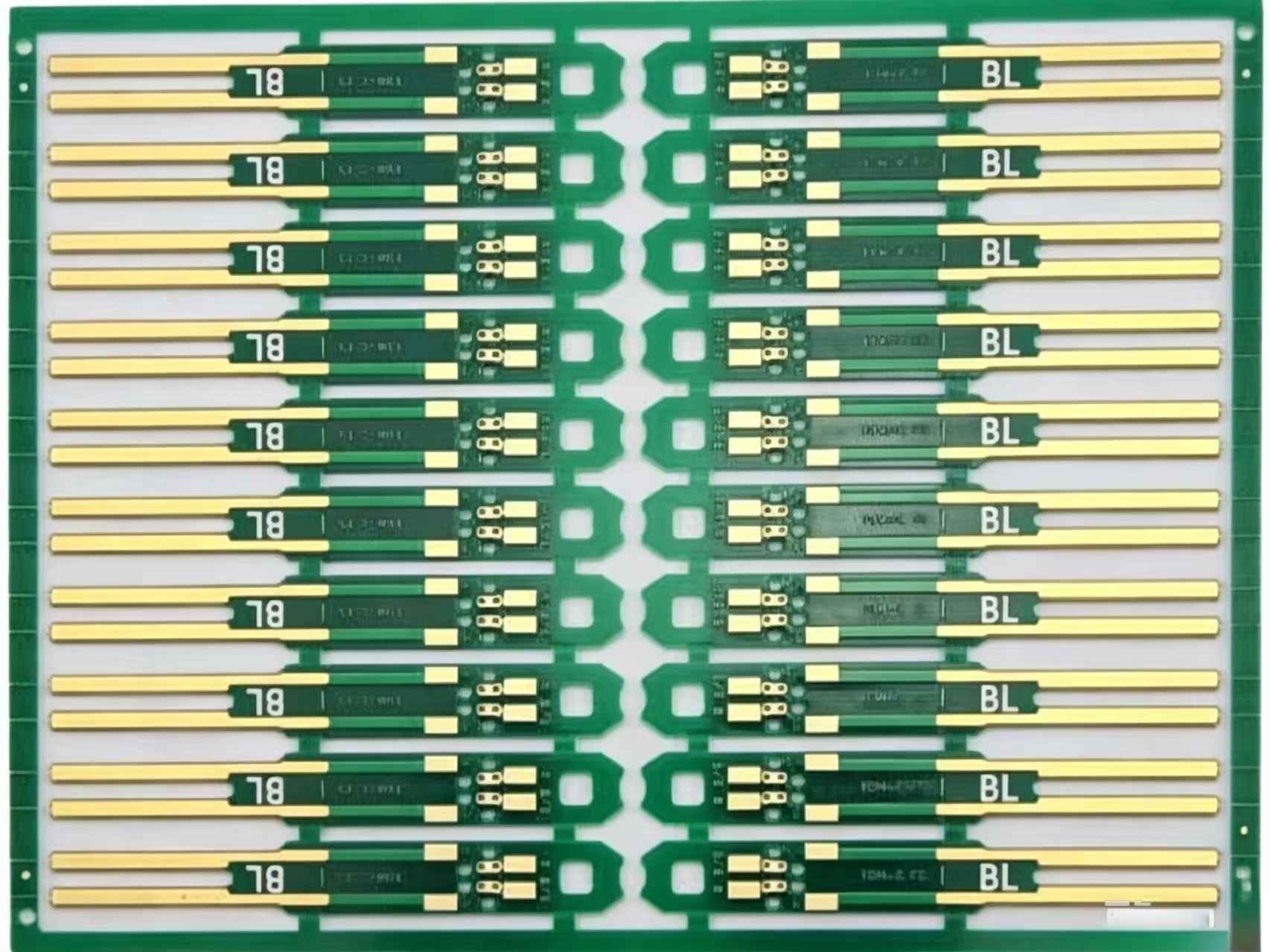
Where a measurement falls outside the expected window, the sample is retained so that the cause can be established before the balance of the batch is released.
A first article check confirms that the process and the drawing agree on the points listed above, and that the coupon data supports the values used in the design.
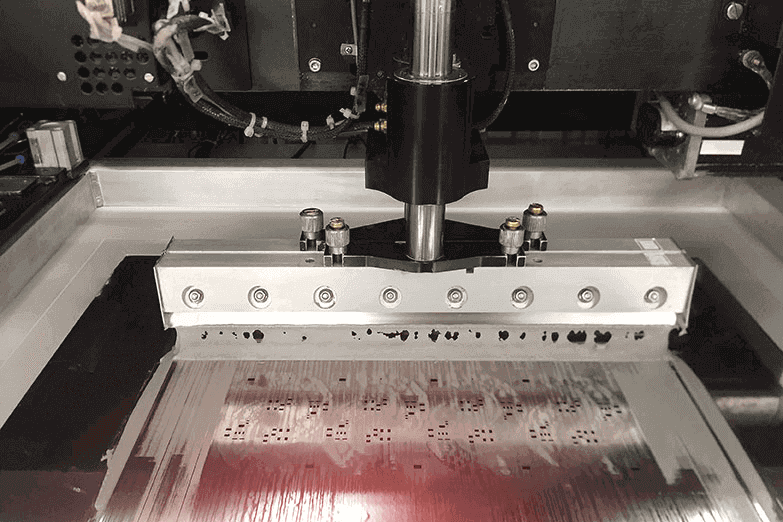
Where a measurement falls outside the expected window, the sample is retained so that the cause can be established before the balance of the batch is released.
FAQ
How long should an instruction be? As short as it can be while still containing every value the operator needs, with the detail held in a referenced document.
Do photographs help? They do, provided they are taken at the station under the lighting and magnification that will be used.
Who should write it? The process engineer with the operators, since the operators know which steps are ambiguous.
How often should it be reviewed? At every change and on a fixed interval, with corrections made as they are found rather than accumulated.