2oz–8oz Heavy Copper PCB for High-Current Power Applications
Industrial power equipment, renewable energy systems, and advanced power electronics require reliable circuit boards capable of handling high current and continuous electrical loads. Heavy Copper PCB technology provides increased current-carrying capacity, improved heat dissipation, and enhanced mechanical strength, making it suitable for demanding power applications.
With copper thicknesses ranging from 2oz to 8oz, these boards can be customized according to current requirements, thermal conditions, installation space, and electrical design. Properly engineered 2oz–8oz PCB solutions help improve power transmission efficiency while supporting stable long-term operation.
Key Advantages of 2oz–8oz Heavy Copper PCB
1. High Current-Carrying Capacity
Standard copper thicknesses may not provide sufficient capacity for high-load power circuits. Increasing the copper thickness improves the cross-sectional area available for current flow, helping reduce electrical resistance and heat generation.
A High-Current PCB with 2oz–8oz copper can support demanding applications such as industrial power supplies, energy storage systems, EV charging equipment, power converters, and other high-current circuits.
Selecting the appropriate copper thickness is important because insufficient copper can result in excessive temperature rise and voltage drop, while unnecessarily thick copper can increase manufacturing complexity and cost.
2. Efficient Heat Dissipation
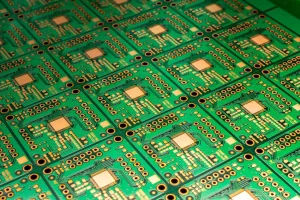
High-power electronics generate substantial heat during operation. If heat cannot be distributed effectively, localized hot spots can reduce component reliability and shorten the service life of the system.
The increased copper thickness of a Heavy Copper PCB improves thermal conductivity and helps distribute heat away from high-power areas. Combined with appropriate thermal vias, copper planes, heat sinks, and thermal design, heavy copper construction can contribute to more effective temperature management.
This makes heavy copper boards suitable for equipment that operates continuously under high electrical loads.
3. Improved Mechanical Strength and Durability
Thicker copper structures can increase the overall robustness of a circuit board. The copper layer provides additional structural support while maintaining reliable electrical connections under demanding operating conditions.
For industrial equipment exposed to vibration, thermal cycling, or continuous operation, a properly designed Power PCB can provide the mechanical and electrical stability required for long-term service.
Material selection and lamination quality remain important, particularly when thick copper is combined with multilayer constructions.
Key Considerations When Customizing 2oz–8oz PCB
1. Selecting the Appropriate Copper Thickness
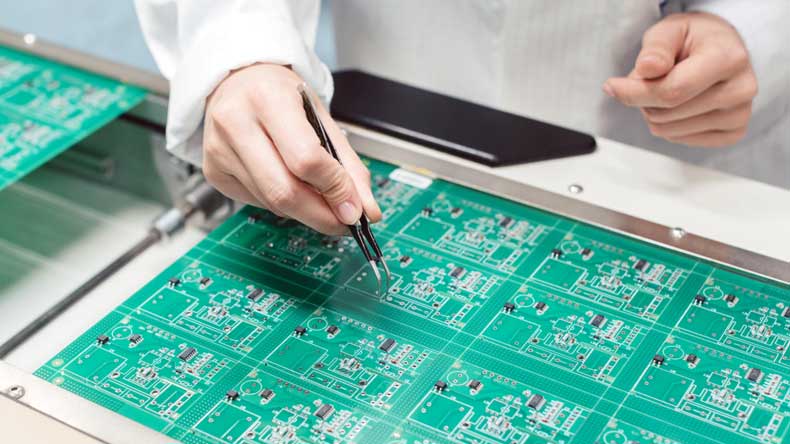
Different power systems have different current requirements. The 2oz–8oz range provides several options for balancing current capacity, thermal performance, board thickness, manufacturability, and cost.
During engineering review, copper thickness should be determined according to operating current, allowable temperature rise, conductor width, ambient conditions, and the overall power distribution architecture.
A well-designed 2oz–8oz PCB should use enough copper to meet electrical and thermal requirements without introducing unnecessary material or processing costs.
2. Choosing the Right PCB Material
The substrate directly affects insulation performance, thermal resistance, mechanical stability, and reliability.
Material selection should consider the operating temperature, electrical requirements, layer structure, copper thickness, and expected environmental conditions. For demanding power applications, high-temperature and high-TG materials may be considered when the operating environment requires improved thermal stability.
The compatibility between the dielectric system and thick copper structure is also important. Proper material selection and lamination control help reduce risks such as delamination, cracking, and dimensional instability during operation.
For advanced applications, PCB Manufacturing processes should be selected according to the material system and finished board structure rather than treating copper thickness as an isolated specification.
3. Optimizing Board Size and Mechanical Structure
Power equipment often has strict internal space limitations. A standard board configuration may not fit the available installation area or provide the desired power distribution layout.
Custom Power PCB manufacturing allows the board outline, mounting holes, copper distribution, connector locations, and component placement areas to be optimized around the equipment enclosure.
A well-planned mechanical structure can improve space utilization while maintaining suitable current paths and thermal performance.
Applications of 2oz–8oz Heavy Copper PCBs
2oz–8oz heavy copper technology is widely used in high-power electronic systems where current capacity and thermal management are important.
Typical applications include:
- Industrial power supplies
- Motor drives and inverters
- EV charging equipment
- Energy storage systems
- Battery management systems
- Power distribution equipment
- High-voltage power supplies
- Renewable energy systems
- Industrial control equipment
- High-power commercial equipment
In these applications, High-Current PCB construction provides a practical way to increase conductor capacity while maintaining a compact and reliable circuit architecture.
Heavy Copper PCB Manufacturing Considerations
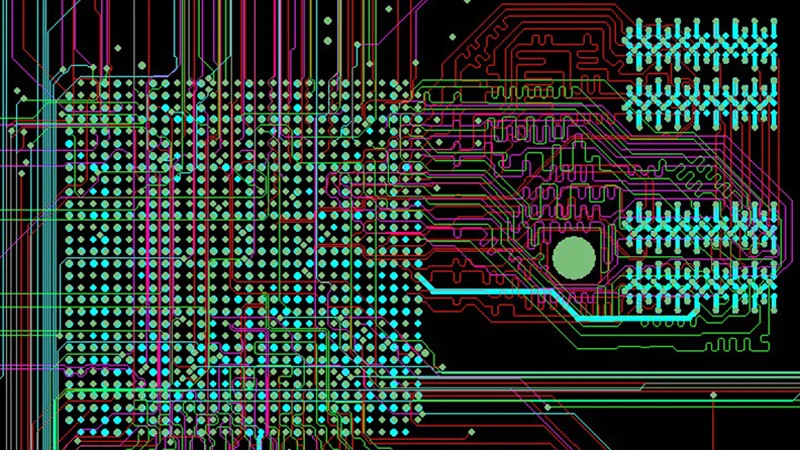
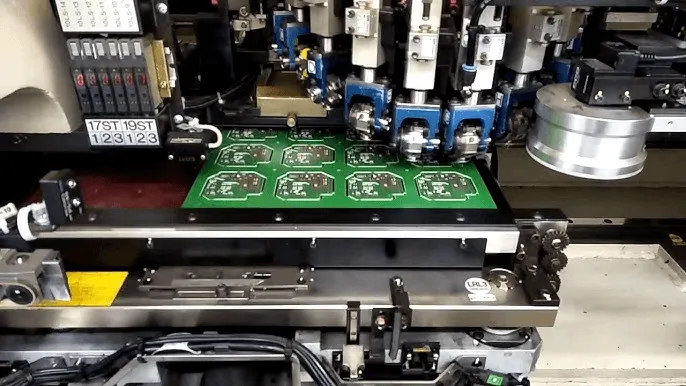
Manufacturing thick copper boards requires careful control of several processes, particularly circuit etching, copper plating, lamination, drilling, and dimensional control.
As copper thickness increases, achieving consistent line geometry becomes more challenging. Etching parameters must be carefully controlled to maintain the required conductor width and spacing, while plating processes must provide uniform copper deposition across the board.
For multilayer heavy copper designs, lamination also requires careful consideration of resin flow and layer balance. Proper process control helps maintain stable layer bonding and reduce warpage.
GOPCBA provides PCB Manufacturing Services for specialized circuit boards and supports engineering review, fabrication, inspection, and production requirements for demanding applications.
Quality Control for High-Current Power Boards
Reliability is especially important for high-current applications because manufacturing defects can directly affect electrical and thermal performance.
Quality control should cover raw materials, inner-layer fabrication, lamination, drilling, copper plating, circuit formation, surface finishing, and final inspection.
Depending on the board structure, inspection may include automated optical inspection, dimensional verification, X-ray inspection, and electrical testing. Process monitoring also helps maintain consistency between production batches.
For complex multilayer power boards, GOPCBA’s PCB Capabilities include advanced multilayer PCB, HDI, high-TG, high-frequency, blind and buried via, impedance-controlled, and heavy-copper PCB technologies.
Why Choose a Custom Heavy Copper PCB?
A custom approach allows copper thickness, board material, layer structure, conductor geometry, thermal design, and mechanical dimensions to be optimized together.
Rather than selecting a standard board and adapting the equipment around it, engineers can develop the Heavy Copper PCB around the actual electrical and mechanical requirements of the system.
This approach is particularly valuable for high-power equipment where current capacity, thermal management, space utilization, reliability, and manufacturing cost must all be considered simultaneously.
GOPCBA Heavy Copper PCB Manufacturing
GOPCBA provides customized PCB manufacturing solutions for industrial power, energy storage, EV charging, power electronics, industrial control, and other high-current applications.
Our capabilities cover Heavy Copper PCB, 2oz–8oz PCB, multilayer PCB, HDI PCB, high-frequency PCB, high-speed PCB, rigid-flex PCB, high-TG PCB, and other specialized circuit board technologies.
For customers developing high-power electronic equipment, GOPCBA can support PCB projects from engineering review and prototype production through volume manufacturing. Manufacturing processes are selected according to the board’s copper thickness, material system, layer structure, electrical requirements, and mechanical specifications.
With integrated engineering and manufacturing capabilities, GOPCBA helps customers develop reliable Power PCB solutions for demanding high-current applications.
Explore Heavy Copper PCB Manufacturing Solutions for customized high-current circuit board requirements.