Heavy Copper PCB: Design, Process, and Quality Notes
In power transmission, energy conversion, and industrial electronics, printed circuit boards serve as essential platforms for both electrical conduction and signal transmission. As electronic systems continue to operate at higher power levels and current densities, conventional PCB structures may no longer provide sufficient electrical and thermal performance.
A Heavy Copper PCB provides a practical solution for demanding power applications by using significantly thicker copper layers than standard circuit boards. The increased copper thickness improves current-carrying capability, reduces electrical losses, enhances thermal performance, and provides greater mechanical robustness.
For applications requiring reliable power delivery, selecting the right Power PCB structure is essential. Material selection, copper thickness, thermal design, layer structure, and manufacturing processes must all be considered during PCB development.
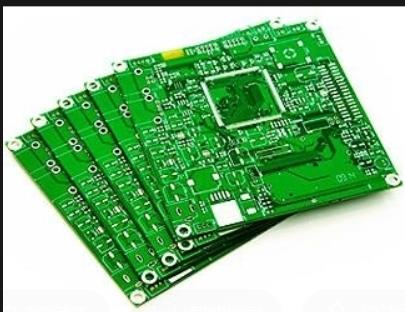
A Heavy Copper PCB is a printed circuit board manufactured with copper layers that are substantially thicker than those used in conventional PCBs. While standard PCB copper commonly uses relatively thin copper foil, heavy copper designs may use 2 oz, 3 oz, 4 oz, or even thicker copper depending on the electrical and thermal requirements of the application.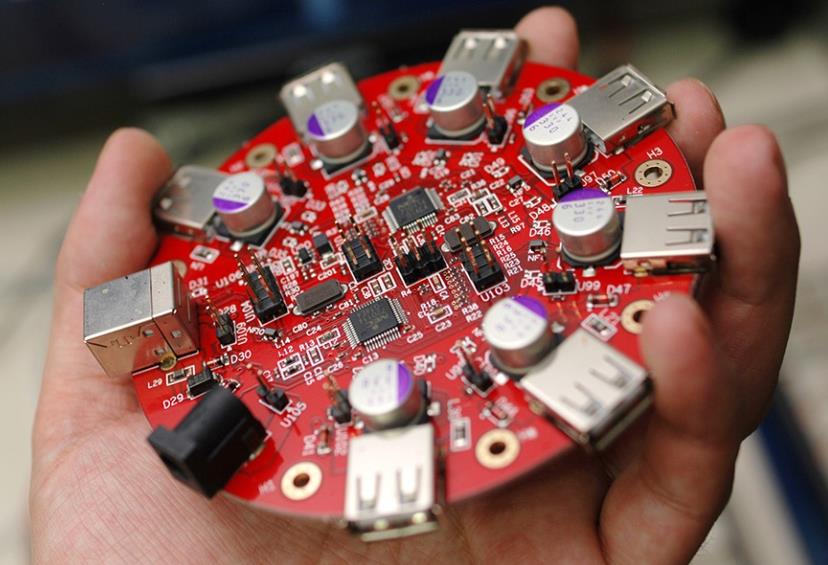
The increased copper thickness provides a larger conductive cross-sectional area. This allows the circuit to carry higher currents while reducing electrical resistance and associated heat generation.
Heavy copper technology is therefore particularly suitable for high-power electronic systems where current capacity, thermal management, and long-term reliability are critical.
For projects that require advanced manufacturing technologies, PCB Manufacturing capabilities can include multilayer, HDI, high-frequency, rigid-flex, heavy copper, metal-core, and high-layer-count PCB technologies.
The primary advantage of a High Current PCB is its ability to carry substantially higher electrical current than a standard PCB with thinner copper.
When high current passes through a conductor, electrical resistance causes power loss and heat generation. Increasing the copper thickness reduces the resistance of the conductive path, helping the circuit handle higher current levels more efficiently.
This characteristic makes heavy copper boards suitable for power distribution systems, motor controllers, battery systems, power converters, industrial equipment, and other high-current applications.
Thermal management is one of the most important considerations in high-power electronics. Excessive heat can accelerate material degradation, affect electrical characteristics, and shorten component and system lifetime.
Copper has excellent thermal conductivity. A thicker copper layer can provide a more effective path for distributing and transferring heat generated during electrical operation.
In properly designed heavy copper structures, copper layers can work together with thermal vias, copper planes, metal-core structures, heat sinks, and other thermal management methods to improve overall heat dissipation.
This makes heavy copper technology particularly valuable in applications where continuous high-load operation is required.
Electrical resistance directly affects power efficiency. When current passes through a conductor with excessive resistance, part of the electrical energy is converted into heat.
The thicker copper used in heavy copper PCBs can reduce conductor resistance and therefore help minimize I²R losses. This is particularly important in power electronics where large currents may flow continuously.
For high-power systems, optimizing copper thickness and current paths during the PCB design stage can help improve energy efficiency and reduce unnecessary thermal stress.
In addition to electrical and thermal benefits, thick copper structures can contribute to the mechanical robustness of the PCB.
The additional copper mass and thickness can increase structural stability in certain board constructions, helping the PCB withstand mechanical stress, vibration, and demanding operating environments.
For industrial and automotive electronics, mechanical reliability is often as important as electrical performance. A properly engineered heavy copper structure can therefore provide an additional layer of durability.
Heavy copper technology is widely used in electronic systems that require high current capacity, efficient thermal management, and reliable power distribution.
Industrial equipment frequently requires stable power delivery for motors, actuators, control systems, and power conversion circuits. Heavy copper PCBs can provide robust conductive paths for these high-current systems.
They are commonly considered for industrial power supplies, motor controllers, automation equipment, welding systems, and power conversion equipment.
Electric vehicles contain numerous high-power electrical systems, including battery management systems, motor controllers, charging systems, and power conversion modules.
These applications can place significant demands on PCB current capacity and thermal performance. Heavy copper technology can therefore be integrated into suitable automotive power electronics where higher current handling is required.
For automotive electronic systems, advanced Multilayer PCB Manufacturing can combine multilayer structures, heavy copper, thermal management, impedance control, and other technologies according to the application requirements.
Battery management and energy storage systems require reliable current distribution and stable electrical connections.
Heavy copper PCBs can be used in power distribution and battery-related electronics where high current flows through compact circuit structures.
Their combination of current capacity and thermal performance makes them suitable for selected battery systems, energy storage equipment, and power conversion applications.
Modern servers and high-performance computing equipment require increasingly efficient power delivery. Power supply boards and power conversion circuits may experience significant current and thermal loads.
Heavy copper structures can help manage these demands while supporting compact and reliable PCB architectures.
For high-performance electronic systems, High-Speed PCB Manufacturing can also be combined with appropriate materials, stack-up design, impedance control, and thermal considerations.
Large medical equipment, industrial control systems, and specialized electronic devices may require stable power distribution under continuous operating conditions.
In these systems, PCB reliability is closely related to electrical performance, thermal management, material selection, and manufacturing consistency.
A properly engineered heavy copper PCB can provide a reliable foundation for high-power circuits while supporting the overall durability of the electronic system.
Manufacturing heavy copper boards is more demanding than producing standard PCBs. Increased copper thickness affects etching, plating, lamination, drilling, thermal behavior, and dimensional control.
Copper thickness should be selected according to the expected current, conductor width, allowable temperature rise, board structure, and application environment.
Using thicker copper is not always the best solution. Excessive copper thickness may increase manufacturing complexity and cost, so engineers should balance electrical requirements with manufacturability.
Heavy copper PCB design should consider heat generation and heat transfer from the beginning of the project.
Copper planes, thermal vias, heat dissipation structures, component placement, and external cooling mechanisms may need to work together to control operating temperature.
A comprehensive thermal design can help prevent localized hot spots and improve long-term reliability.
Thick copper requires careful process control during PCB fabrication. Compared with conventional copper structures, heavy copper circuits may require specialized etching and plating processes to maintain the required trace geometry.
Uneven copper distribution can also affect manufacturing quality and dimensional stability. Engineering review and process optimization are therefore important before production.
For multilayer heavy copper boards, lamination becomes particularly important. Temperature, pressure, resin flow, heating and cooling rates, and layer registration must be carefully controlled.
Poor lamination can lead to problems such as delamination, internal voids, layer misalignment, resin starvation, and board warpage.
For complex multilayer structures, PCB Manufacturing Capabilities should be evaluated together with the required copper thickness, layer count, materials, vias, and other manufacturing parameters.
The main difference between a heavy copper PCB and a standard PCB is the copper thickness and the resulting electrical and thermal performance.
Standard PCBs are generally designed for conventional signal and moderate-power applications. Heavy copper boards, in contrast, are engineered for applications where higher current capacity, improved heat management, and increased electrical robustness are required.
| Feature | Standard PCB | Heavy Copper PCB |
|---|---|---|
| Copper Thickness | Standard | Significantly thicker |
| Current Capacity | Moderate | High |
| Thermal Performance | Standard | Improved |
| Power Applications | Limited to moderate power | High-power applications |
| Mechanical Robustness | Standard | Enhanced in suitable structures |
| Manufacturing Complexity | Lower | Higher |
| Typical Applications | General electronics | Power electronics, energy, automotive, industrial systems |
The optimal PCB structure depends on the electrical, mechanical, thermal, and manufacturing requirements of the specific product.
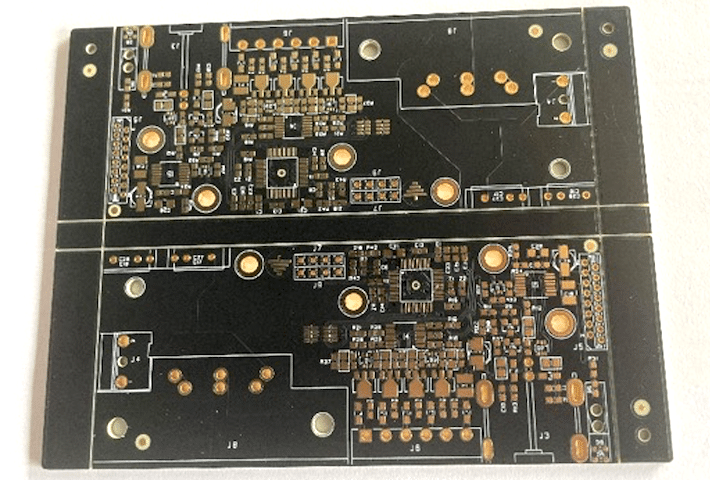
Choosing a suitable Heavy Copper PCB Manufacturer requires more than comparing copper thickness specifications. The manufacturer should have experience with heavy copper fabrication, multilayer construction, thermal management, quality control, and engineering support.
Important factors include:
- Heavy copper fabrication capability
- Suitable copper thickness range
- Multilayer manufacturing experience
- Reliable plating and etching processes
- Thermal management capabilities
- Controlled layer registration
- Electrical testing and inspection
- DFM engineering support
- Prototype and production capabilities
- Consistent quality management
For complex projects, early engineering communication can help identify manufacturing risks before production begins.
Heavy copper PCBs provide an effective solution for electronic systems that require high current capacity, improved thermal performance, reduced electrical losses, and strong long-term reliability.
From industrial power electronics and electric vehicles to battery systems, energy storage equipment, servers, and specialized medical equipment, heavy copper technology can support increasingly demanding power requirements.
However, successful heavy copper PCB manufacturing requires more than simply increasing copper thickness. Copper distribution, thermal design, material selection, layer structure, etching, plating, lamination, drilling, and inspection must all be coordinated to achieve consistent performance.
By combining appropriate PCB design with professional manufacturing engineering, heavy copper technology can provide a reliable foundation for modern high-power electronic systems.
At-a-Glance Manufacturing Notes
The checklist below summarises the production points discussed above.
- Material and stack-up selection: treat this as a repeat-order checkpoint and keep the result with the lot record.
- Process setup and control: review the production data and close any deviation before the next build.
- Inspection and test coverage: confirm the requirements, process settings and inspection records at first-article approval.
- Documentation and traceability: record the agreed limits and verify them again in the production lot.
- Handling and release checks: check the drawing, process sheet and inspection plan before release.
- Repeat-order consistency: treat this as a repeat-order checkpoint and keep the result with the lot record.