Medical PCB Requirements: Materials, Manufacturing, Reliability, Compliance & Design Considerations
Medical electronic equipment plays a critical role in diagnosis, treatment, monitoring, and patient care. From patient monitors and diagnostic instruments to imaging systems and surgical equipment, reliable electronic performance is essential.
As the core interconnection platform inside these devices, a Medical PCB must meet more demanding requirements than many consumer or general-purpose industrial circuit boards. Material selection, manufacturing precision, cleanliness, quality control, traceability, reliability, and regulatory considerations all need to be evaluated according to the intended medical application.
For PCB buyers and medical equipment manufacturers, understanding these requirements is essential for reducing product risks and building reliable medical electronics.
1. Material Selection: Safety, Stability, and Environmental Compatibility
Material selection is one of the first considerations when developing a Medical Circuit Board. The correct material depends heavily on the equipment’s electrical, thermal, mechanical, environmental, and regulatory requirements.
Material Requirements for Medical Applications
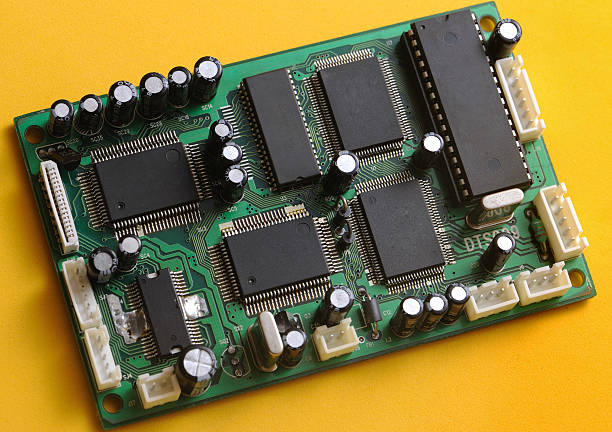
Medical PCB materials may need to provide:
- Stable electrical insulation and dielectric performance
- Good thermal resistance
- Resistance to moisture and humidity
- Adequate mechanical strength
- Dimensional stability
- Resistance to cleaning and disinfection processes
- Low ionic contamination where required
- Long-term reliability
For conventional medical electronics, high-quality FR-4 materials may be sufficient when their thermal, electrical, and mechanical characteristics match the design requirements. More demanding applications may require specialized high-Tg, low-loss, high-frequency, flexible, rigid-flex, or thermally enhanced materials.
It is also important to distinguish between a PCB being used inside medical equipment and a PCB or material that is directly exposed to a patient. Direct or indirect patient-contact applications can introduce additional biocompatibility requirements for the relevant materials and assemblies. These requirements should be evaluated according to the complete medical device design rather than assumed for every PCB.
For applications involving repeated cleaning, disinfection, sterilization, or exposure to aggressive chemicals, the PCB’s laminate, solder mask, surface finish, and assembly materials should also be evaluated for environmental compatibility.
2. Manufacturing Precision: Fine Features and Process Stability
Medical electronics often contain compact sensors, processors, analog circuits, communication interfaces, and other precision components. As a result, PCB manufacturing must maintain stable dimensional and electrical performance.
Fine-Line and High-Density Manufacturing
Depending on the application, a medical PCB may require:
- Fine traces and spaces
- High-density component placement
- Multilayer construction
- Controlled impedance
- Microvias or other advanced interconnect structures
- Tight layer-to-layer registration
- Precise drilling
- Consistent surface finishes
For example, diagnostic equipment may use small sensors and high-density electronic modules that require accurate PCB geometry. In multilayer boards, poor registration between layers can affect connectivity, impedance, signal integrity, or manufacturing yield.
A stable Medical PCB Manufacturing process therefore requires careful control of imaging, etching, drilling, lamination, plating, solder mask application, surface treatment, and final inspection.
Clean Manufacturing and Contamination Control
Cleanliness can also be important in medical electronics.
Contaminants such as ionic residues, flux residues, dust, metal particles, and processing chemicals can potentially affect insulation resistance, corrosion performance, signal stability, or long-term reliability.
The appropriate cleanliness requirements depend on the application and customer specifications. Manufacturers may therefore implement controlled cleaning processes, contamination monitoring, and inspection procedures to maintain consistent product quality.
3. Quality Control: Traceability and Long-Term Reliability
Medical equipment may remain in service for many years. A PCB failure can result in equipment downtime and, depending on the application, potentially serious operational consequences.
For this reason, quality control should cover the entire manufacturing chain rather than relying only on final inspection.
Incoming Material Inspection
Materials such as laminate, copper foil, solder mask, surface-finish chemicals, and other production materials should be controlled according to defined specifications.
Important controls may include:
- Material certification and documentation
- Lot and batch traceability
- Electrical properties
- Thermal characteristics
- Dimensional stability
- Copper adhesion
- Surface quality
- Chemical compatibility
For critical applications, traceability helps manufacturers identify the material lot and manufacturing conditions associated with a specific PCB production batch.
In-Process Inspection
Inspection should be incorporated into critical manufacturing stages rather than performed only after production is complete.
Depending on the PCB design, manufacturers may inspect:
- Board dimensions
- Hole diameter and position
- Plated through-hole quality
- Layer registration
- Trace geometry
- Copper thickness
- Surface finish
- Solder mask coverage
- Electrical continuity
- Insulation resistance
Detecting defects earlier helps prevent them from moving into subsequent processes and reduces the risk of costly rework or field failures.
Final Inspection and Testing
Final testing should be matched to the PCB’s actual application requirements.
Potential methods include:
- Visual inspection
- Automated Optical Inspection (AOI)
- Electrical continuity testing
- Insulation testing
- X-ray inspection for applicable structures
- Dimensional inspection
- Reliability testing
- Functional testing at the assembly or system level
Not every medical PCB requires every test. The appropriate inspection plan should be determined by the design, risk level, customer requirements, and applicable quality system.
4. Reliability Testing: Validate Performance Under Real Conditions
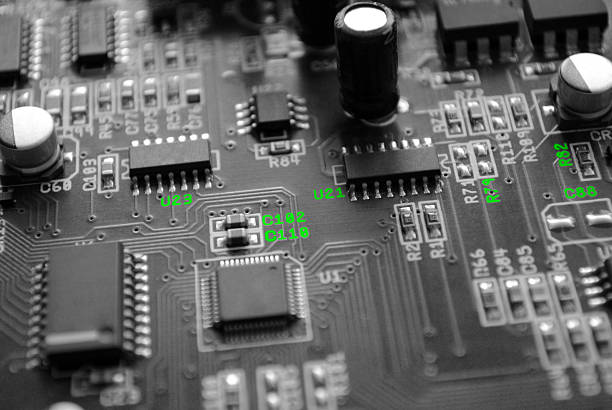
Reliability is a major consideration when selecting a High-Reliability PCB for medical equipment.
Medical devices can operate continuously or under demanding environmental conditions. Therefore, PCB validation may include environmental and mechanical testing designed around the intended application.
Possible evaluations include:
Thermal Testing
Thermal cycling and temperature-related testing can help identify issues such as:
- Delamination
- Cracking
- Plating degradation
- Material expansion and contraction
- Solder joint fatigue
Humidity Testing
High humidity can affect insulation performance, corrosion resistance, and material stability. Moisture-related testing can help evaluate PCB performance under expected environmental conditions.
Mechanical Testing
Portable medical devices may experience vibration, shock, repeated handling, or transportation stresses. Mechanical testing can therefore be important for equipment intended for mobile or field applications.
Long-Term Reliability
For critical products, accelerated life testing or extended operational testing may be used to evaluate potential performance degradation.
Rather than applying a fixed testing period to every PCB, the validation plan should be based on the product’s expected service life, operating conditions, risk analysis, and applicable device requirements.
5. Regulatory Compliance: Connect PCB Manufacturing With Medical Device Requirements
Medical electronics are subject to regulatory and quality requirements that vary by market and device classification.
A critical point is that agencies such as the U.S. FDA or regulations such as the EU Medical Device Regulation (MDR) generally apply to the medical device and its manufacturing/quality system, rather than functioning as simple standalone certifications for an individual PCB.
Nevertheless, PCB suppliers can play an important role in helping medical equipment manufacturers meet their overall compliance obligations.
Documentation and Traceability
Medical electronics projects may require stronger documentation and traceability, including:
- Material certificates
- Production records
- Inspection reports
- Process specifications
- Lot traceability
- Change-control records
- Nonconformance records
- Test results
A well-controlled documentation system makes it easier to investigate quality issues and maintain consistent production.
IEC 60601 and Electrical Safety
IEC 60601 is a key family of standards for medical electrical equipment and addresses areas such as electrical safety and essential performance. PCB design and assembly can contribute directly to these system-level requirements through appropriate insulation, creepage and clearance, grounding, EMC design, and component integration.
Therefore, PCB engineers and manufacturers should understand the equipment-level requirements that affect PCB design instead of treating IEC 60601 as a generic PCB certification.
Environmental and Material Requirements
Depending on the target market and product, environmental regulations such as RoHS may also affect material and component selection.
The exact compliance requirements should always be confirmed based on the finished medical device, target market, intended use, and applicable regulatory framework.
6. Application-Specific Design: Different Medical Devices Need Different PCBs
There is no single PCB specification that applies to every medical device. The circuit board must be designed around the application’s electrical, mechanical, thermal, environmental, and reliability requirements.
High-Power Medical Equipment
Equipment such as laser systems, electrosurgical equipment, and other high-power medical electronics may generate significant heat.
The PCB may therefore require:
- High-Tg or thermally suitable laminate
- Increased copper thickness
- Large copper areas
- Thermal vias
- Optimized heat paths
- Metal-backed or specialized thermal structures where appropriate
Good thermal design helps prevent excessive temperature rise and protects sensitive components from thermal stress.
Portable Medical Equipment
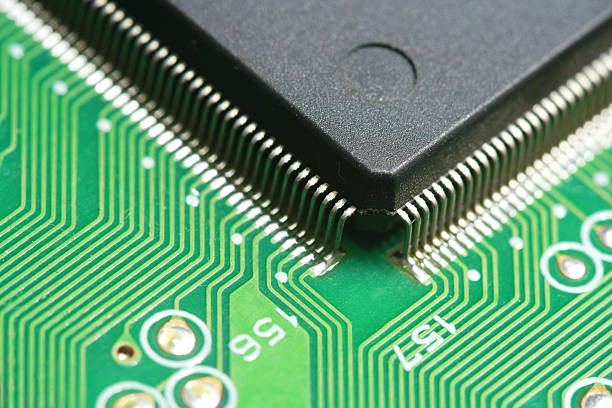
Portable devices such as handheld diagnostic instruments and mobile monitoring equipment place greater emphasis on size, weight, and mechanical durability.
A compact PCB may use:
- Multilayer architecture
- High-density interconnects
- Fine-pitch components
- Miniaturized packages
- Flexible or rigid-flex structures
- Optimized component placement
The goal is not simply to make the board smaller. Electrical performance, manufacturability, thermal management, assembly yield, and reliability must remain balanced.
Implantable and Patient-Contact Applications
Implantable medical electronics represent an especially demanding category. In these applications, material compatibility, miniaturization, hermetic packaging, corrosion resistance, long-term reliability, and system-level safety can become critical.
PCB material selection must be evaluated together with the complete device architecture and applicable biocompatibility and regulatory requirements.
Radiation tolerance may also be relevant for specific medical electronics exposed to radiation, but it should not be treated as a universal requirement for all medical PCBs.
7. PCB Assembly Is Equally Important
A reliable bare board alone does not guarantee a reliable medical electronic assembly. Component procurement, soldering, inspection, cleaning, and functional testing can all affect final product performance.
Medical PCB assembly may involve:
- SMT assembly
- Through-hole assembly
- Mixed-technology assembly
- Fine-pitch component placement
- Controlled soldering processes
- AOI inspection
- X-ray inspection where appropriate
- Electrical testing
- Functional testing
For prototypes and early-stage medical equipment development, validating the PCB and assembly together can reveal design-for-manufacturing issues before production volumes increase.
For low-volume medical equipment production, flexible manufacturing and strong process traceability can also help engineering teams manage design revisions while maintaining consistent quality.
8. How to Select a Medical PCB Manufacturer
Choosing the right PCB supplier is an important part of medical electronics development. Instead of evaluating suppliers only by unit price, buyers should consider the complete manufacturing and quality-control capability.
Key Questions to Ask
Before selecting a supplier, consider:
- Can the manufacturer support the required PCB structure and materials?
- Does the supplier have experience with high-reliability electronics?
- Can materials and production lots be traced?
- Are manufacturing processes documented and controlled?
- Can the supplier provide required inspection and test records?
- Can engineering teams support DFM and design reviews?
- Can the supplier handle prototype, low-volume, and production requirements?
- Can PCB assembly and component sourcing be integrated when necessary?
- Does the supplier understand the compliance requirements affecting the finished medical device?
- Can the manufacturer maintain consistent quality across production batches?
A supplier that understands both PCB fabrication and assembly can help reduce communication gaps between design, manufacturing, and testing.
9. Medical PCB Selection Checklist
Before placing an order, medical equipment developers can review the following checklist:
| Category | Key Considerations |
|---|---|
| Materials | FR-4, high-Tg, high-frequency, flexible, or specialized materials |
| Electrical | Signal integrity, insulation, impedance, current capacity |
| Thermal | Heat generation, copper distribution, thermal vias |
| Mechanical | Board size, thickness, vibration, shock, flexibility |
| Manufacturing | Fine lines, multilayer registration, drilling, plating |
| Cleanliness | Ionic residues, flux residues, particles, cleaning requirements |
| Reliability | Thermal cycling, humidity, mechanical and life testing |
| Traceability | Material lots, production records, inspection data |
| Compliance | Medical-device regulations and applicable safety/EMC requirements |
| Assembly | SMT, through-hole, mixed technology, inspection and testing |
10. Why Medical PCBs Require Higher Manufacturing Standards
Compared with many consumer electronics applications, medical electronics typically place greater emphasis on risk management, reliability, traceability, and consistent manufacturing quality.
The cost of a medical PCB should therefore not be evaluated solely by the board’s purchase price. Material quality, process control, inspection capability, documentation, manufacturing consistency, and supplier engineering support can all influence the total cost and risk of the final product.
For medical equipment manufacturers, selecting a PCB supplier based on both technical capability and quality-system maturity can help establish a more reliable supply chain.
Conclusion
Medical PCB requirements go far beyond simply manufacturing a circuit board that passes an electrical test.
The right Medical PCB needs to be matched to the application’s material, electrical, thermal, mechanical, environmental, manufacturing, reliability, and compliance requirements. High manufacturing precision, contamination control, process traceability, comprehensive inspection, and application-specific validation are all important factors.
At Gopcba, medical electronics projects can be evaluated across PCB fabrication, PCB design, prototyping, and assembly requirements. By integrating design considerations with manufacturing and assembly capabilities, engineering teams can reduce development risk and build a more reliable path from prototype to production.
For medical electronics, safety, reliability, consistency, and traceability should always be treated as core manufacturing priorities—not optional extras.