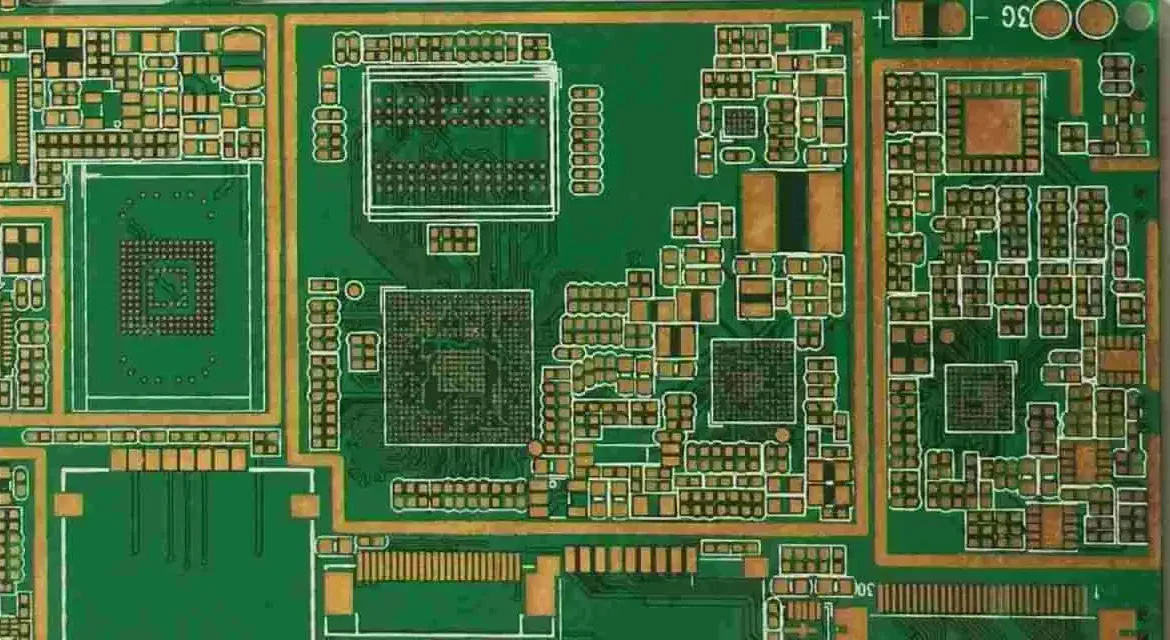
Ioniser Verification: Decay Time and Offset Voltage An ioniser is the only static control device that puts charge into the air, which is why it is also the one that is most often installed and then forgotten. Two numbers describe whether it works: how quickly it neutralises a charge, and…
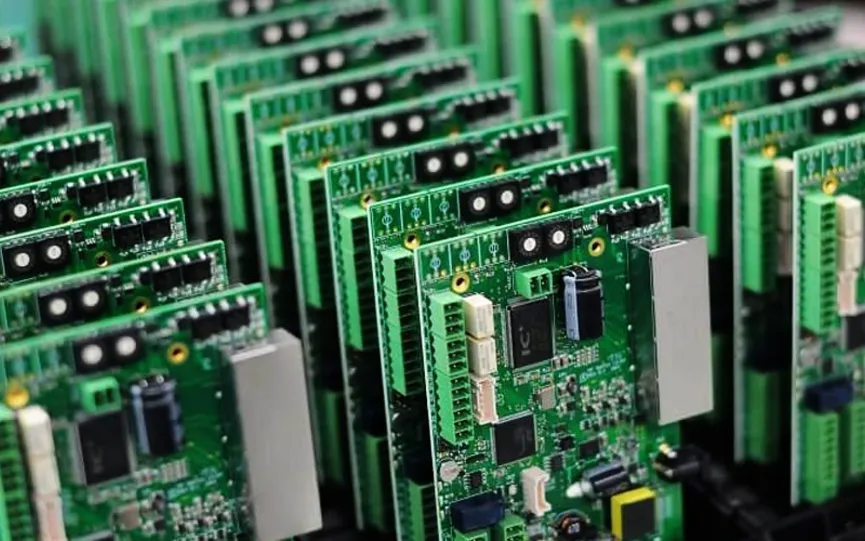
Through-Hole Hole Fill in Wave Soldering: Causes of Skip Hole fill is the one wave soldering requirement that cannot be judged from the top of the board. Alloy visible at the top of a barrel can hide a void running half its length, and a joint that looks sound on…
Solder Mask Thickness and Coverage over Copper Features Solder mask is specified by colour in most design packages and by nothing else, yet the two numbers that decide whether it survives assembly are the thickness over copper and the degree of cure. A mask that is thin at the edge…
Rework Station Setup and Thermal Control Rework is a reflow process performed on one component at a time, on a board that already carries other parts. That single difference changes almost everything: the heat has to be local, the rest of the board has to stay below its limits, and…
Line Audit Checklist for PCB Assembly A line audit is a structured look at a running line to confirm that the process is being executed as documented. It is not a quality inspection of the product and not a search for defects; it is a check of the arrangements, the…
Counterfeit Component: Design Rules and Process Limits A counterfeit component is a part that is presented as something it is not. It may be a genuine device of a lower grade relabelled, a device recovered from scrap and cleaned, a functional copy made on a different process, or a part…
V-Score vs Tab Routing: Choosing a Depaneling Method Depaneling looks like the last step in fabrication, but the method chosen at the panel stage sets the mechanical stress that every component near the board edge will see, and it decides how much of the panel is available for product. V-score…
Chip Capacitor Flex Cracking: Stress Sources from Depaneling to Test A chip capacitor fails in a way that incoming inspection cannot predict. The ceramic body cracks during depaneling, board handling, connector insertion or in-circuit test, and the damage appears later as a short or an open once the assembly is…
ESD Programme Audit for an Assembly Floor An ESD programme is a set of arrangements that keep static charge away from sensitive parts, and an audit is the check that the arrangements are still in place. The two are often confused: a shop can have wrist straps, mats and ionizers…
Solder Beading in Reflow: Print, Paste and Profile Causes Solder beading is one of the few defects that is created before the board reaches the oven and only becomes visible after it leaves. The paste that forms a bead was printed in the wrong place, and every process between the…