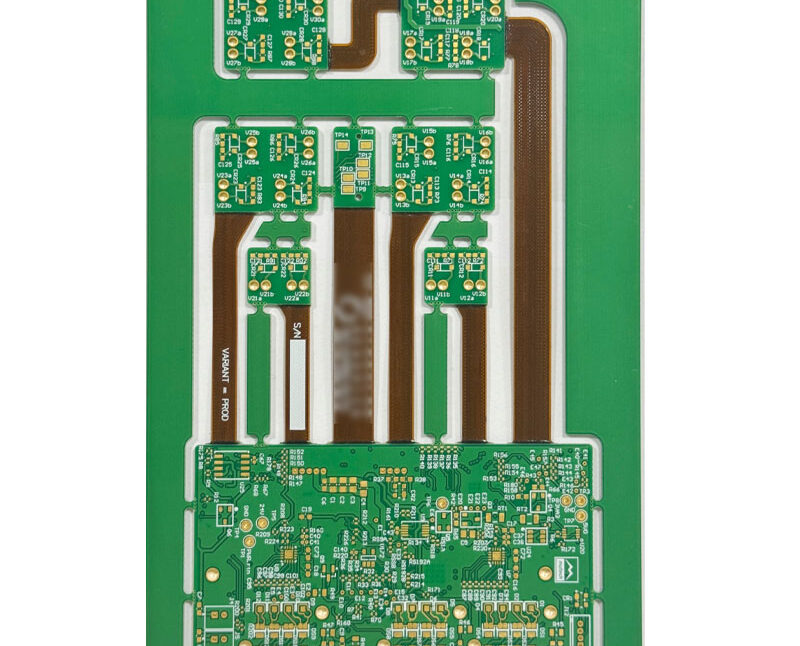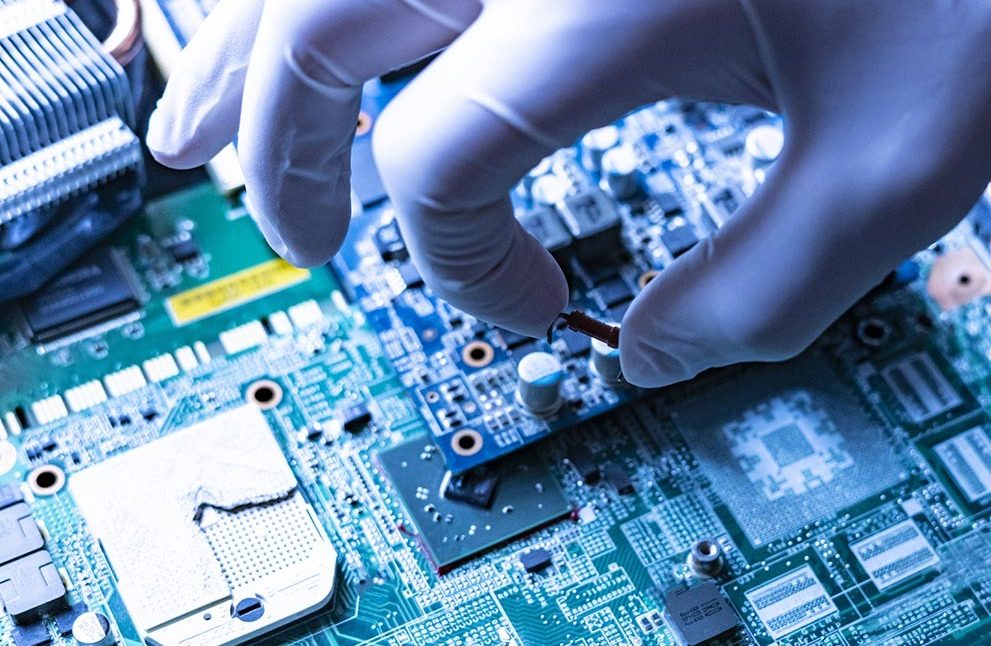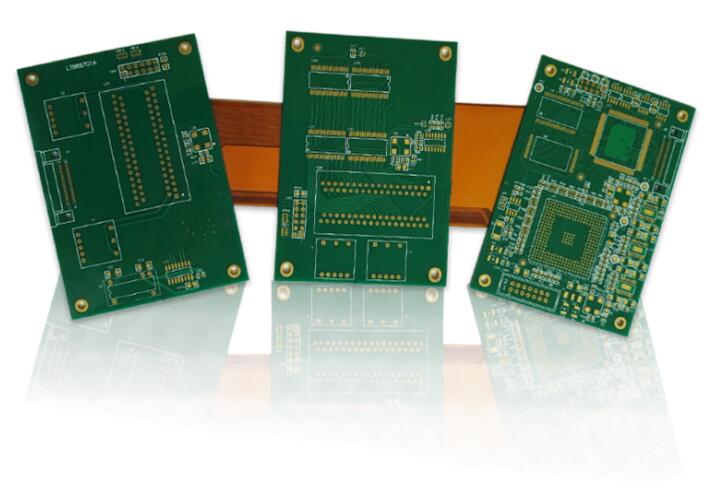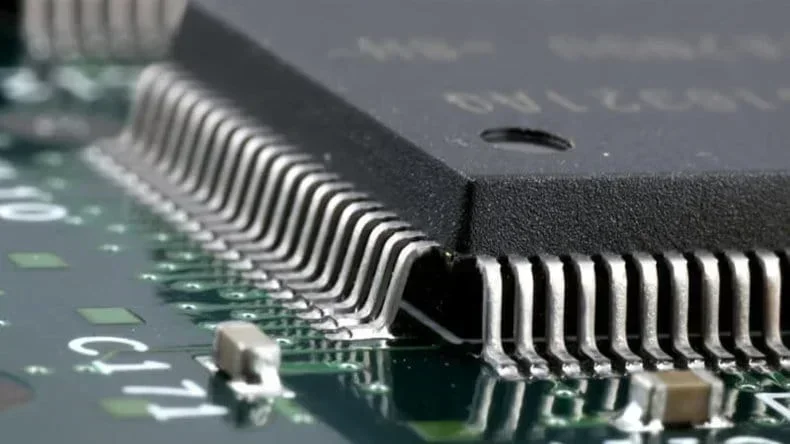
PCB Router Spindle Maintenance: Bearings, Collet and Runout A router spindle turns the cutting tool that separates boards from the panel, and it is asked to do so at high speed with almost no vibration. Its condition decides the edge quality of every board that passes under it. Unlike a…
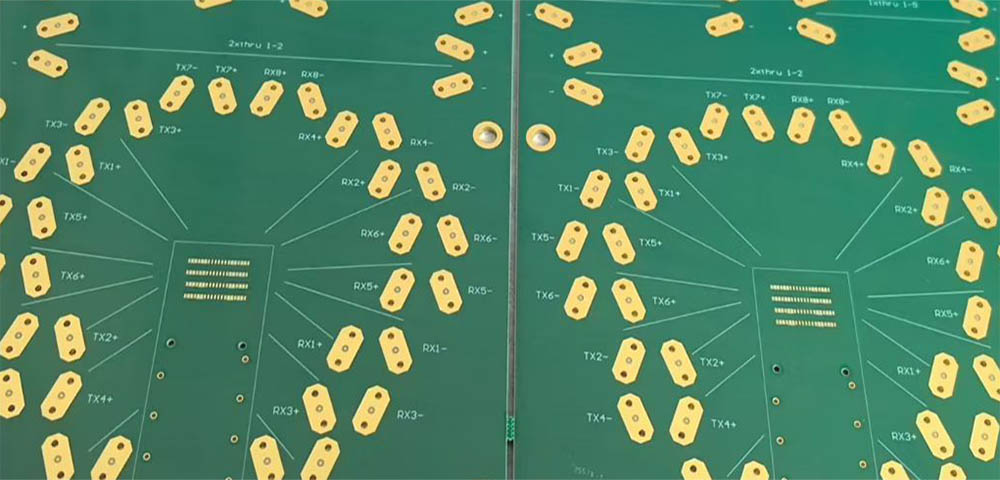
Stencil Foil Damage: Dents, Creases and Aperture Control Stencil foil damage is any physical change to the foil that alters how paste leaves the aperture. Dents, creases, scratches and deformed apertures all fall into the same family, and all of them print differently from a new foil. The damage is…
Nitrogen Atmosphere in Reflow: When It Is Worth It A nitrogen atmosphere is used in reflow to reduce the oxygen available at the joint while the alloy is molten. Less oxygen means less oxide on the powder and on the pad, and the alloy therefore wets more readily and spreads…
Via Filling or Tenting: Choosing a Via Treatment A via is a hole connecting two layers, and once plating is complete the question becomes what to do with the opening. Via filling puts material into the barrel, while via tenting covers the opening with solder mask, and the two treatments…
Conductivity Meter Calibration: 5 Checks for Rinse Data Conductivity meter calibration decides whether the numbers on a rinse line mean anything. Rinse water quality is monitored with a probe that drifts, fouls and ages, and a reading that is wrong by a third will keep a bad rinse in service.…
Plating Bath Foam: Antifoam and Surface Control Bath foam is the layer of bubbles that collects on the surface of a plating or process tank, and it is a symptom rather than a process step. A thin layer is normal where air agitation or brightener chemistry is present. A heavy,…
PCB Etch ORP Control: Oxidation and Etch Rate Stability ORP control is the measurement of oxidation potential in an etch bath, and it is the number that keeps a cupric chloride etchant working. The potential tells the line how much oxidising power the chemistry holds, which in turn sets how…
PCB Microetch Rate: Copper Surface Preparation Control PCB microetch rate is the controlled removal of a thin layer of copper from the surface before plating or mask application. The etch is measured in microns, and it exists to expose clean, active copper with a slightly roughened profile. Without it, the…
Plasma Desmear: 5 Parameters for Clean Hole Walls Plasma desmear uses a low-pressure gas discharge to remove resin smear from drilled holes without liquid chemistry. It reaches blind holes and small diameters that wet processes struggle to fill, and it leaves no effluent to treat. Five parameters decide whether the…
Bow and Twist Control: 5 Steps to Keep Panels Flat Bow and twist control decides whether a panel reaches assembly flat enough to be handled, printed and placed. Warpage is built into the panel by lamination and then partly released by the processes that follow, so the fault rarely appears…