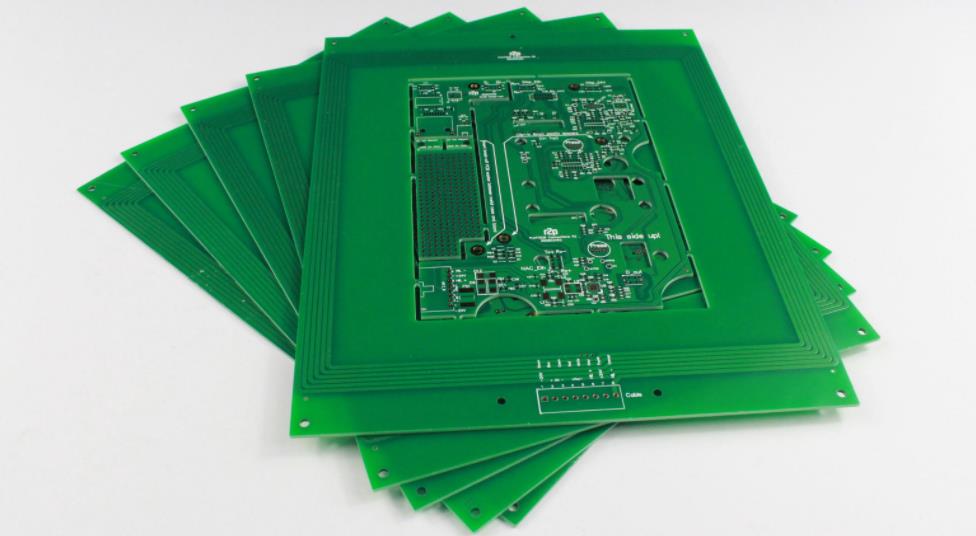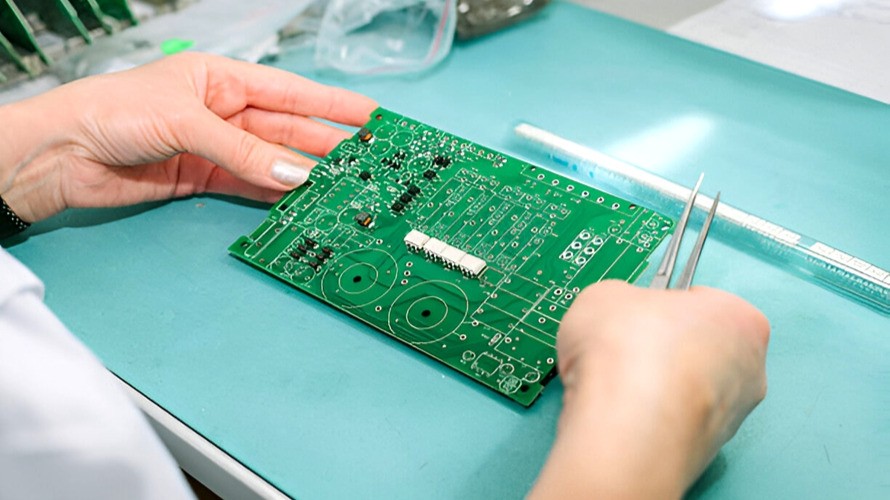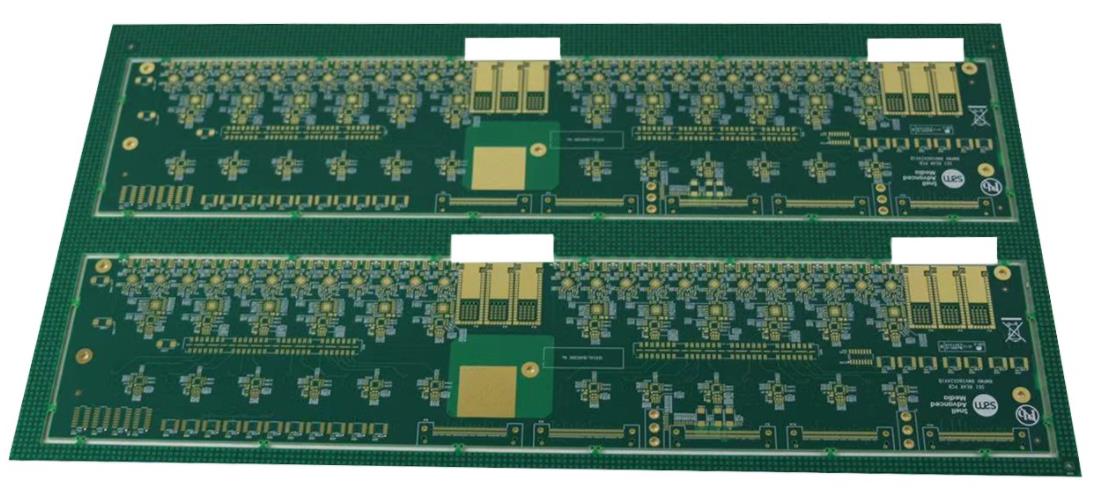
Router Feed Rate and Edge Quality in PCB Depaneling The router separates panels into individual boards by cutting along a path with a small carbide bit, and the feed rate is the speed at which that bit travels through the material. It is the parameter that balances cut quality against…
Vacuum Fixture Sealing and Probe Contact in ICT A vacuum fixture holds the board against the probe plate with air pressure alone, so every probe force comes from the difference between atmospheric pressure above the board and the vacuum below it. A leak in the sealing system reduces that difference…
Paste Stirring and Deaeration Before Printing Paste stirring is the step that returns a solder paste to the condition it had when it was manufactured, and skipping it changes how the whole stencil prints. A paste that has stood in a jar separates slightly, and the first deposits taken from…
Thermocouple Attachment for a Useful Reflow Profile Every reflow profile is only as good as the contact between the sensor and the surface it is meant to represent. A thermocouple attachment method that adds thermal mass, or that leaves an air gap beneath the bead, produces a curve that belongs…
Pin-in-Paste Printing: Getting Volume into Through Holes Pin-in-paste printing places solder paste into the through holes of a mixed-technology board so that the through-hole joints are formed in the same reflow cycle as the surface mount joints. The wave soldering step and the masking that goes with it both disappear,…
Stencil Life Management: Tension, Wear and Retire Criteria A stencil is a consumable that is treated like a fixture, and the difference between those two views costs money in both directions. A stencil retired too early wastes the tooling budget and the time taken to qualify a replacement, while one…
ICT Fixture Wiring: Keeping Resistance and Crosstalk in Check An in-circuit test measures small quantities: a few milliohms on a power path, a few picofarads between two nets, a few microvolts of leakage. The probe is usually blamed first when a measurement drifts, and in a well-built ICT fixture the…
HASL or ENIG: Selecting a Surface Finish for Assembly A surface finish exists to keep the copper of a pad solderable from the end of fabrication to the moment of assembly, and each finish does that in a different way and for a different length of time. HASL leaves a…
Solder Balling and the Reflow Profile: Why Balls Form Small spheres of alloy that remain on the board after reflow are known as solder balling, and it is one of the few assembly defects that a reflow profile can create on its own. The balls form when solder paste or…
Functional Test Coverage Control for PCBA Builds: 6 Rules A functional test powers an assembly and checks that it behaves as the design intended. It is the closest thing to the customer experience that exists inside the factory, because it exercises the product rather than the individual nets. Its weakness…