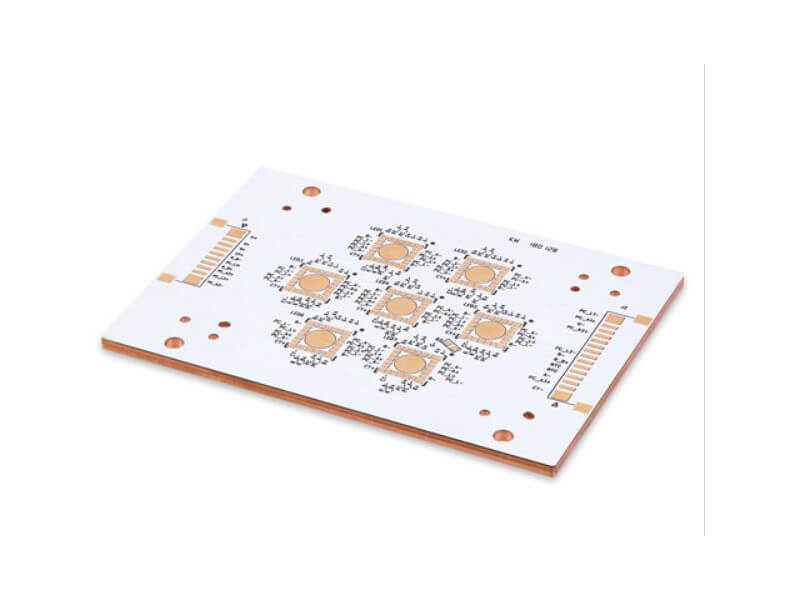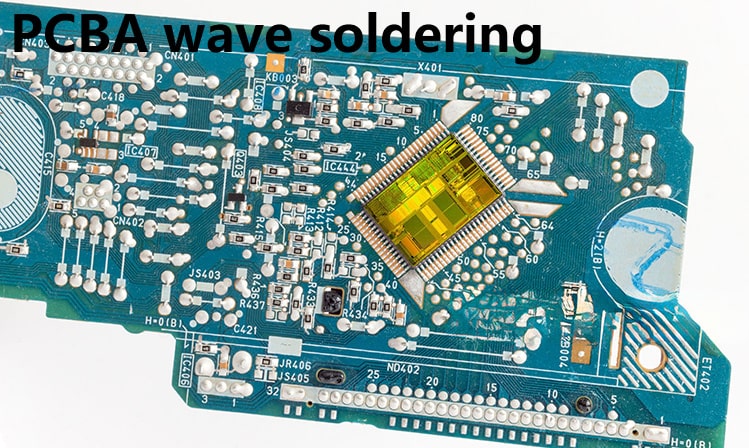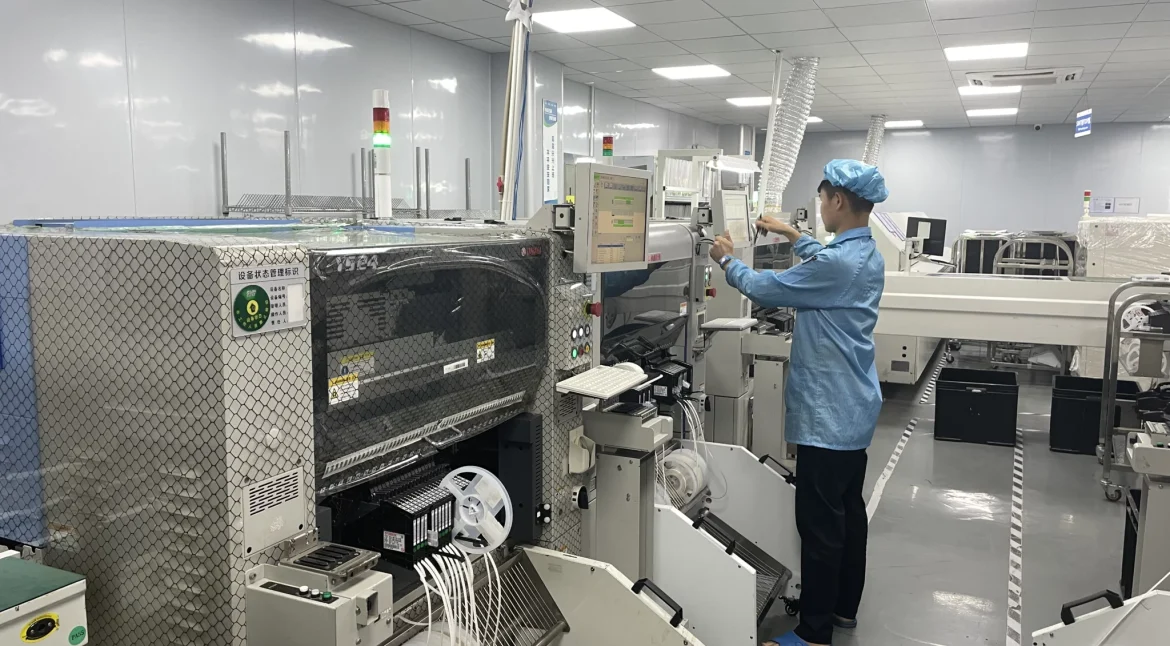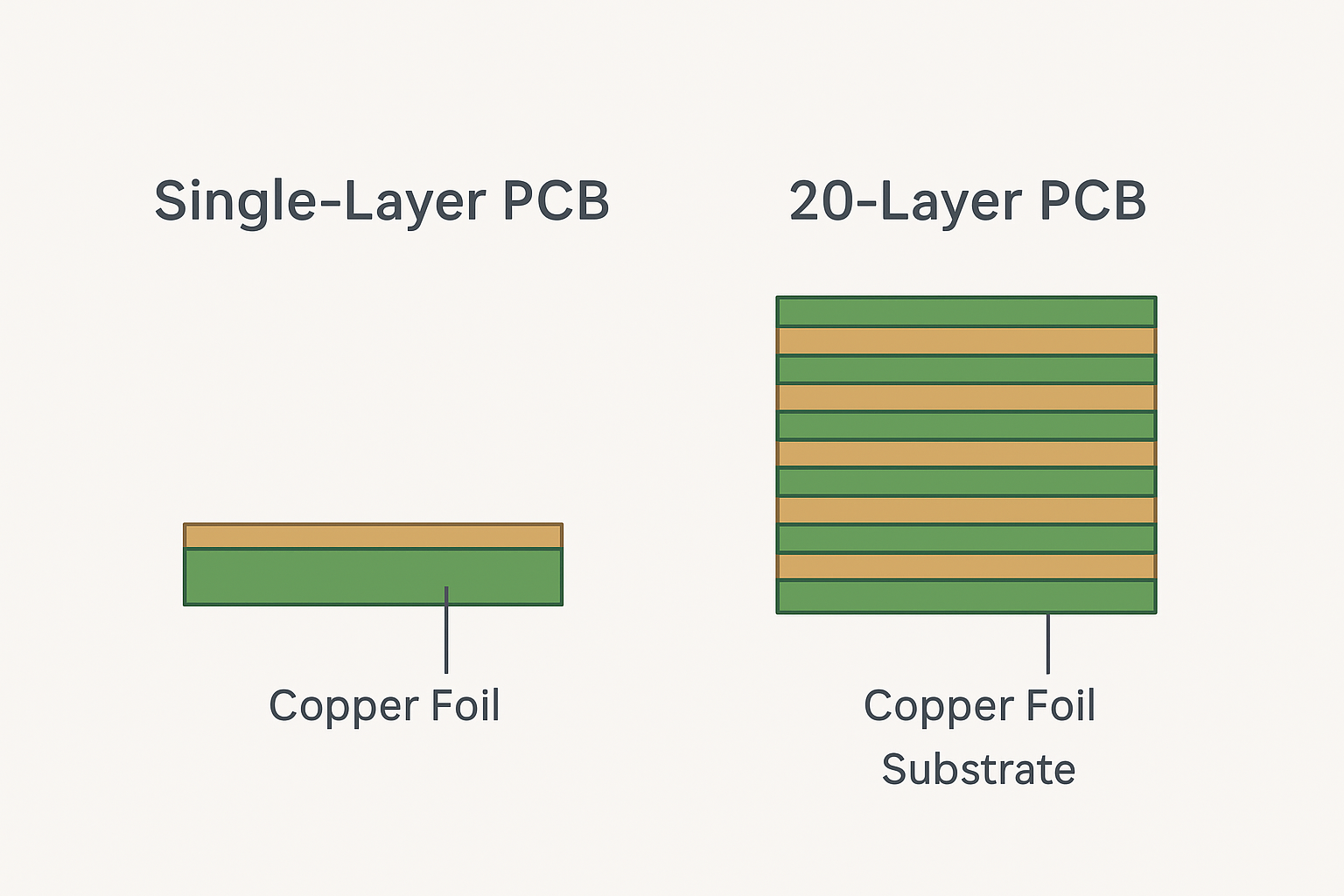
Copper Pour Design Guide A copper pour is the metal that fills the space between the traces on a layer. It is usually connected to a supply or to ground, and on most boards it covers a large fraction of the surface. The pour is often drawn automatically at the…

Thermal Via Design Guide A thermal via is a hole that moves heat rather than a signal. It is placed under a power device, in a ground pad or beneath a component that has to be cooled, and it carries heat from the top surface into the copper planes below.…
Board Support Tooling in SMT Printing and Placement A stencil is pressed onto a board with several kilograms of force, and the board has to behave like a solid plate while that happens. Thin panels, large boards and boards with cut-outs or heavy components flex under the load, and any…
Trace Width and Current Capacity in PCB Design A trace is a resistor, a heat sink and a fuse at the same time, and the current it can carry depends on how much heat it can lose. That is why the same trace width is safe on an outer layer…
BGA Inspection and Rework Practice A ball grid array hides its joints by design, which makes inspection a matter of indirect evidence and rework a matter of thermal control. Both activities are more demanding than their equivalents on a leaded package, and both depend on the same thing: knowing what…
Solder Paste Jetting: Key Checks Before Release Stencil printing transfers a volume of paste through an aperture, and jetting builds the same deposit from thousands of small droplets. The two methods arrive at the same place by different routes, and the choice between them has more to do with the…
PCB Panelization, Tabs And Depanelization A single small circuit board cannot be handled economically. It cannot be printed, placed, reflowed or tested on its own without a fixture for every operation, so several boards are assembled into one panel with a frame and a set of rails around them. Panelization…
Solder Mask Dam Design Guide A solder mask dam is the strip of mask that runs between two adjacent pads. It looks like a leftover of the mask artwork, and it is one of the features that decides whether a fine pitch component can be assembled at all. A dam…
Conformal Coating Application Defects and Cures A conformal coating fails for the same reasons a paint fails: the surface was not clean, the film was applied too thin or too thick, or the environment during cure was wrong. The coating then protects nothing, and the failure appears as corrosion under…
Loss Tangent and Insertion Loss in High Speed Laminates At low frequencies a trace behaves like a resistor. At multi gigabit rates it behaves like a transmission line, and the energy that does not reach the receiver has been absorbed by the conductor and by the dielectric. Loss tangent describes…