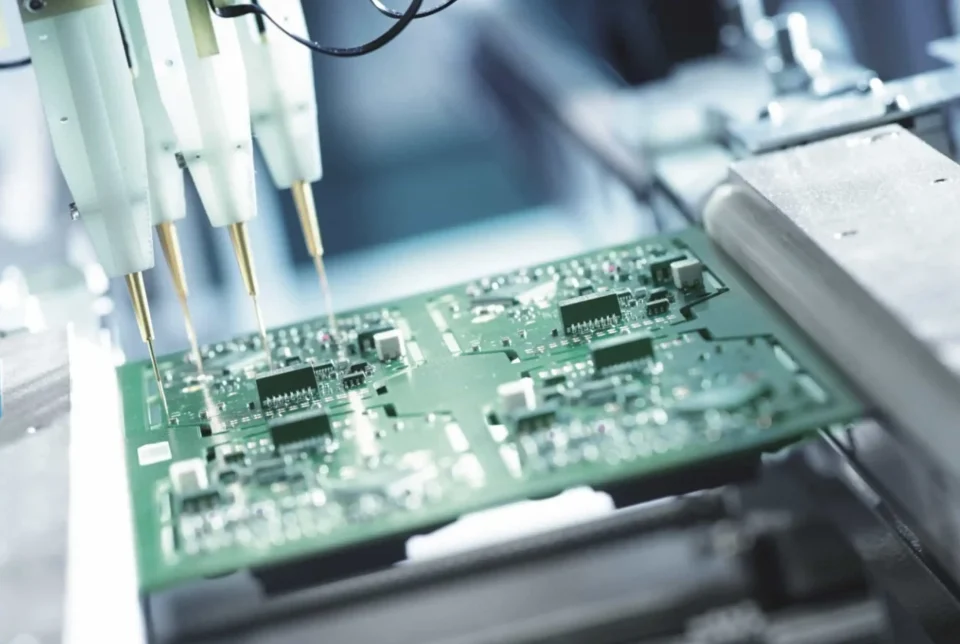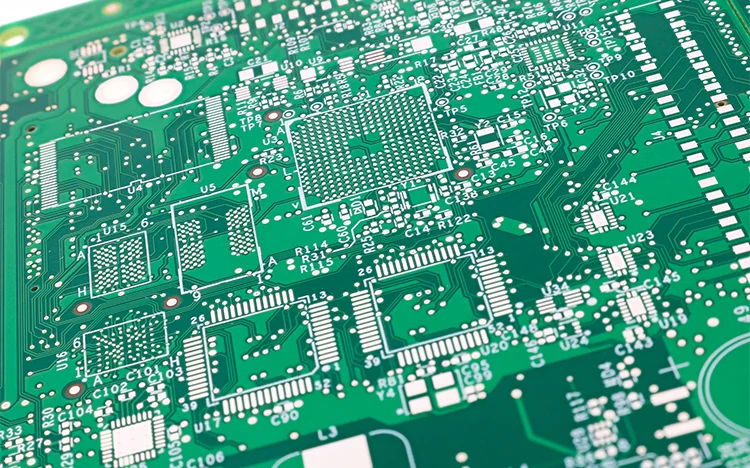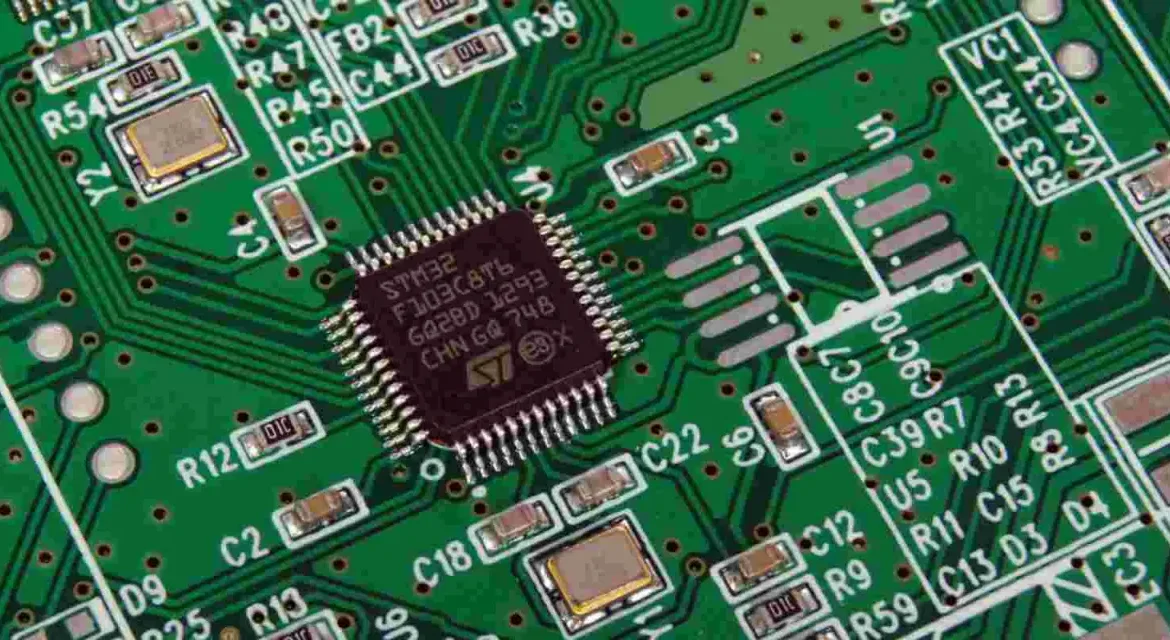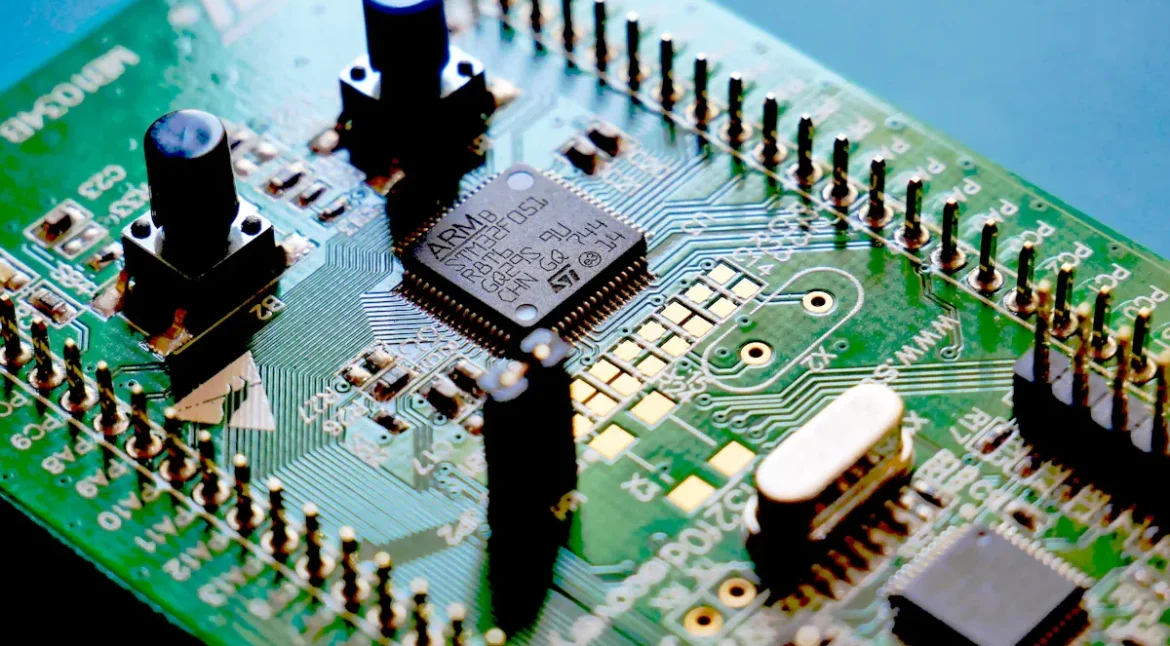
PCB Packaging, Storage and Shelf Life A board that is perfect when it leaves the fabricator can be unusable when it arrives at the assembly line. The change happens in storage and transport, and almost all of it is preventable with packaging and handling rules that cost very little. What…

Copper Pour Clearance: How Close Is Too Close The gap between a copper pour and the things around it is one of those parameters that looks trivial until it causes a problem. Set it too small and the board is difficult to etch, the solder mask cannot form a reliable…
Silver Copper Brazing: Solder Stop Techniques for Silver-Copper Brazing Silver-copper brazing alloys are used where a joint has to combine high electrical conductivity with a melting point above that of solder. The eutectic alloy of silver and copper melts at about 780 degrees Celsius, flows well on copper and on…
X-Ray Inspection of SMT Solder Joints Most solder joints on a modern board can be inspected optically, but the ones that matter most usually cannot. A ball grid array hides its joints under the package body, a land grid array hides them under the component, and a bottom terminated component…
Conveyor Edge Clearance and Board Support on SMT Lines Every board that travels down an SMT line is held by its edges. The conveyor rails, the chain, the tooling pins and the support blocks all touch the panel, and the space left for them has to be designed into the…
Selective Soldering: Design Rules and Process Limits When a board carries a mixture of surface mount and through-hole parts, and the through-hole joints are few enough that a wave is wasteful, selective soldering fills the gap. It applies solder to individual joints with a small nozzle, under program control. What…
Humidity Control in PCB Storage and SMT Production Humidity is the quiet variable on an SMT floor. It does not announce itself the way a machine fault does, yet it changes paste behaviour, laminate dimensions and component condition at the same time. A room that drifts from forty to seventy…
Mounting Holes and Standoffs: Fixing the Board to the Chassis The mounting holes are usually the last feature added to a layout and the first to cause a problem in the field. They carry the mechanical loads, they set the relationship between the board and the chassis, and they are…
Flexible Pcb: Flexible Multilayer PCB: Production and Testing A flexible pcb is built on a polymer film rather than on a rigid laminate, which allows it to bend, fold and conform to a shape. When several conductor layers are combined, the result is a flexible multilayer board that keeps the…
Photodiode Transimpedance Amplifier Layout A photodiode produces a current rather than a voltage, and that current is small: a few nanoamperes in a low light application and a few microamperes in a bright one. The transimpedance amplifier converts that current into a usable voltage, and because the signal is so…