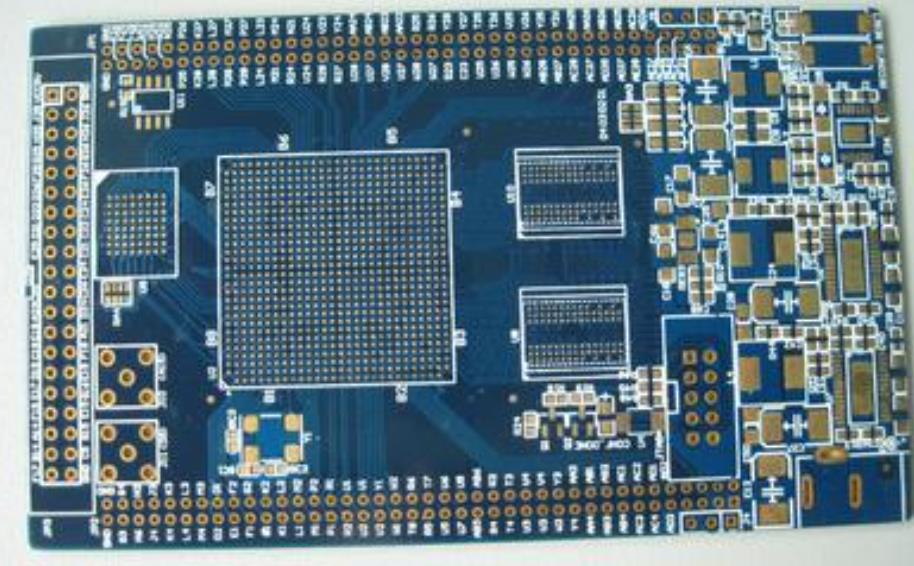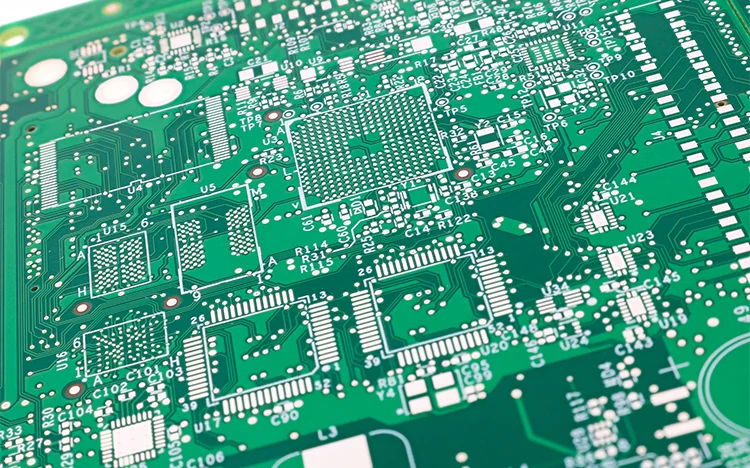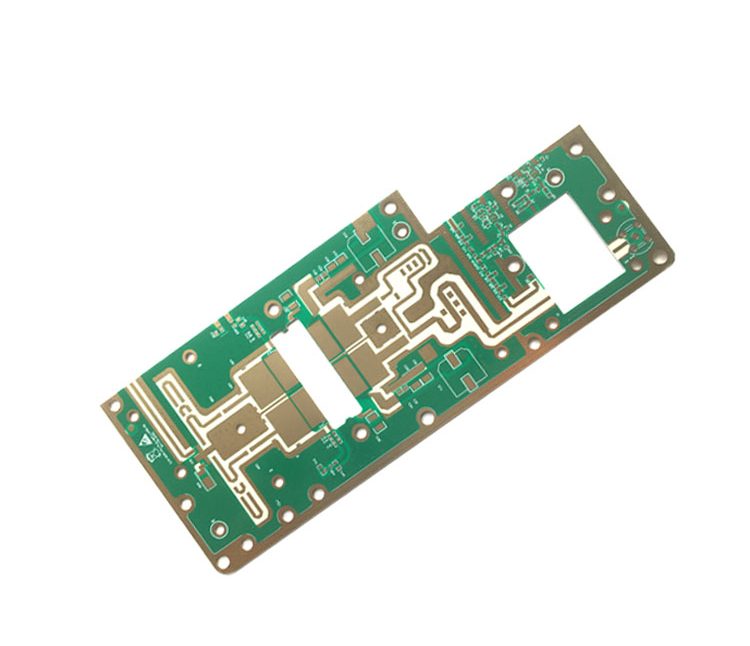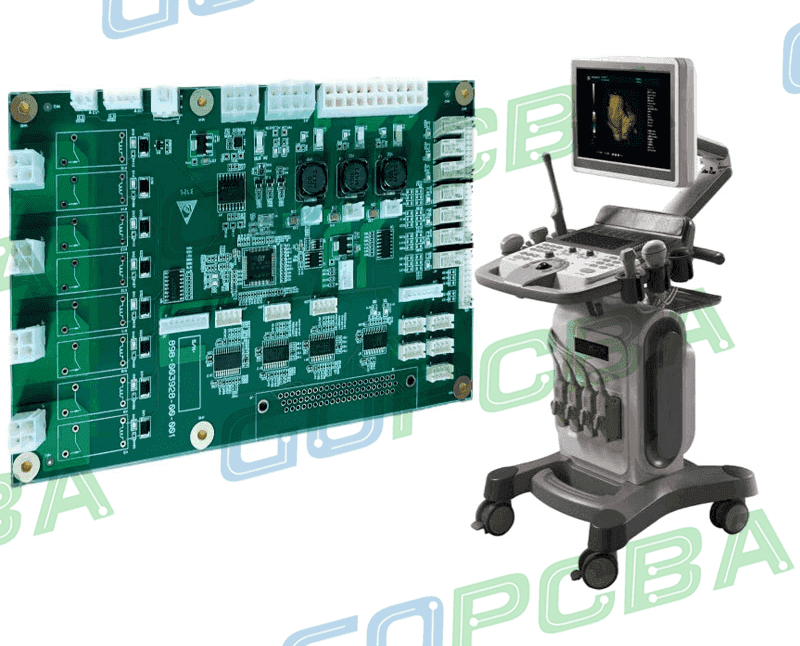
Humanoid Robot PCB: What the Design Has to Do A humanoid robot is a collection of boards distributed through a moving body, and that fact shapes everything about how they are designed. A board in the torso can be large, well cooled and generously routed; the same functions split into…
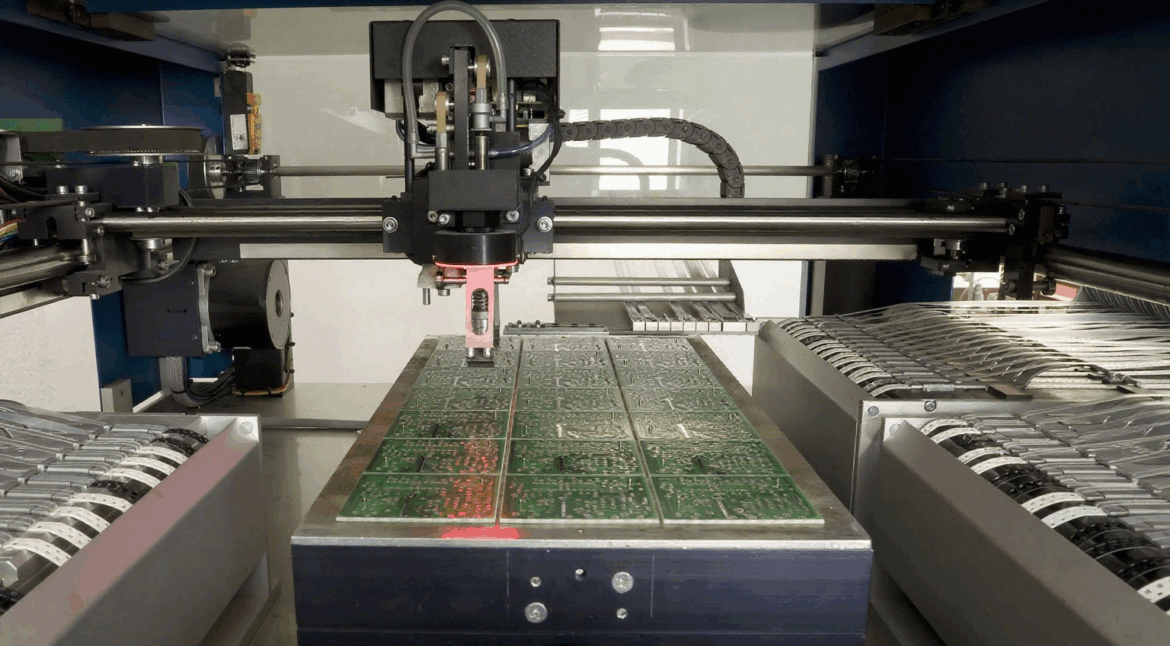
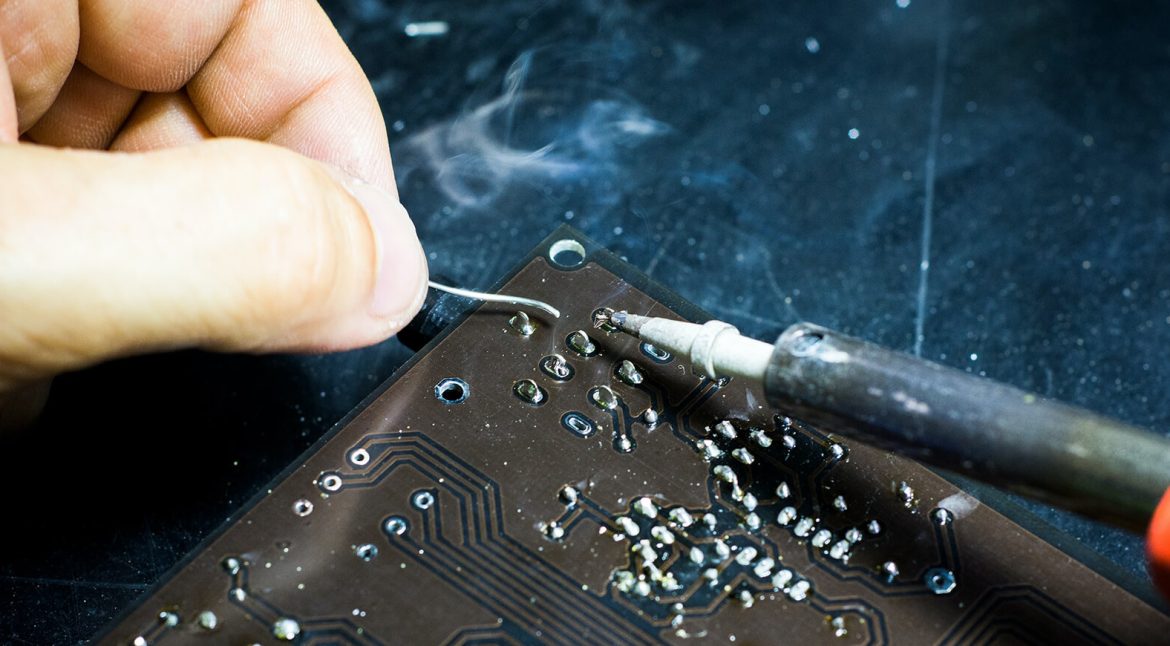
SMT Assembly vs Manual Assembly: Which Should You Use Almost every production board is assembled by more than one method, and the argument about automation is usually about where the split falls rather than which process is right. SMT assembly places and reflows the fine pitch components that no hand…
10-Layer HDI PCB: Stackup, Microvia and Manufacturing Guide A ten layer board with through vias can already carry a dense design. What it cannot do is carry that density in a small area, because every through via consumes routing space on every layer it passes through. High density interconnect solves…
PCB Flame Retardant Ratings: 94V-0, 94V-1 and HB Compared Flame retardant ratings rarely appear in a design review until a safety engineer asks for them, and by then the laminate has been chosen. The rating is not a property of the finished board alone but of the base material, and…
Copper Core PCB Thermal Conductivity and Manufacturing A copper core PCB is chosen for one reason above all others: heat. Where a circuit dissipates enough power that an ordinary laminate cannot spread it away fast enough, replacing the base material with a metal plate turns a thermal management exercise into…
High Frequency PCB Manufacturing: Material and Process Control A high frequency PCB is not a board made from a different kind of circuit. It is an ordinary circuit built on a laminate whose electrical properties stay predictable at the frequencies where the signal travels as a wave rather than as…
PCB Visual Inspection: A Practical Checklist Two boards can both pass electrical test and still be very different products. One will run through assembly without incident and survive a decade in the field; the other will produce solder defects, a failed connector insertion or a field return six months later.…
Six Layer PCB Return Path: Stackup and Reference Planes A signal trace is only half of a circuit. Current leaves the driver, travels along the trace, arrives at the receiver, and must then find its way back to the driver through the reference structure. That second half of the loop…
Does Solder Mask Colour Affect PCB Quality? Buyers often treat solder mask colour as an indicator of quality, on the assumption that a dark board must be a serious one. The assumption does not survive contact with the process. Colour is a pigment added to the same resin, and the…
Metal Core PCB or Ceramic Substrate: How to Choose When a component produces more heat than an ordinary laminate can carry away, the board itself becomes part of the thermal solution. Two families answer that requirement: the metal core PCB, which uses an aluminium or copper base under an insulating…