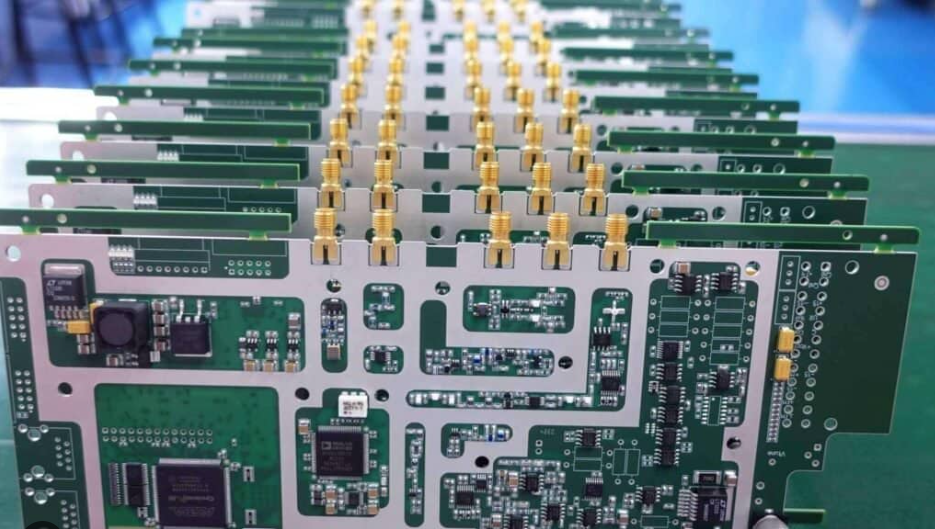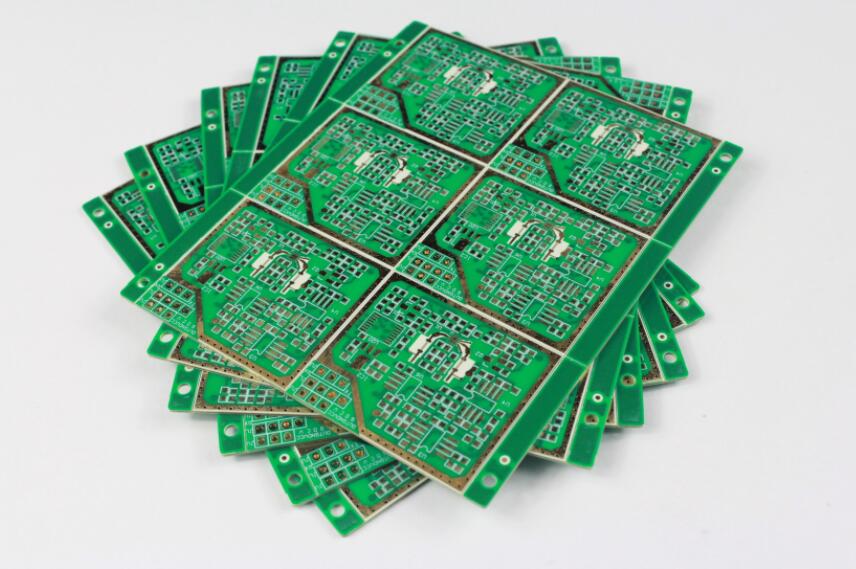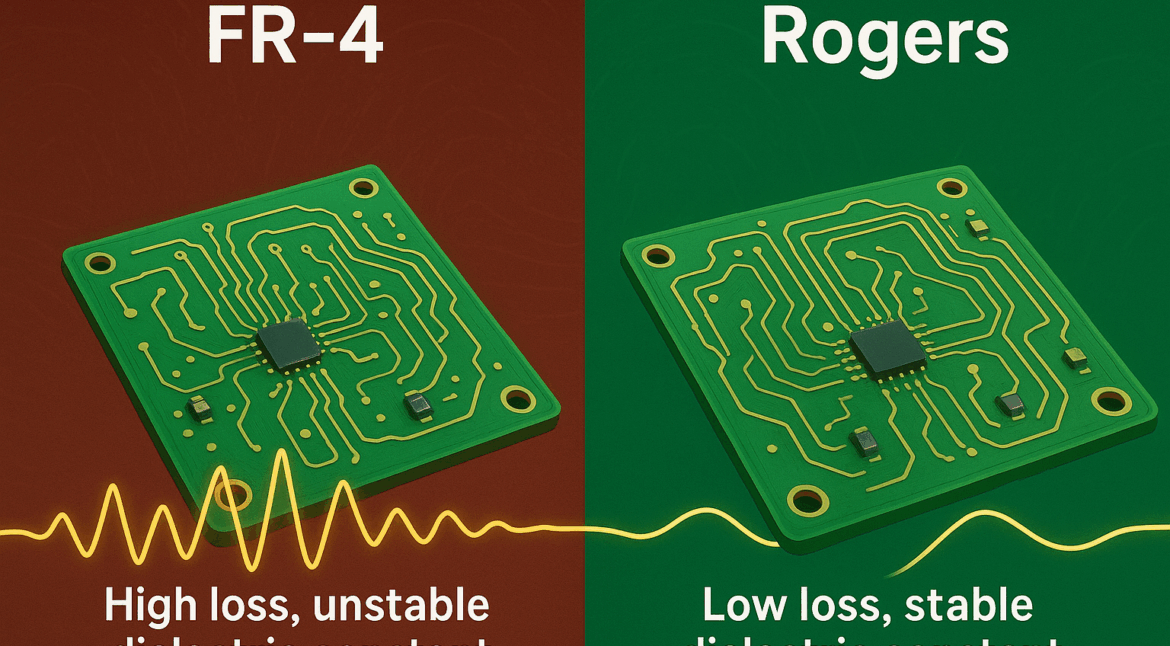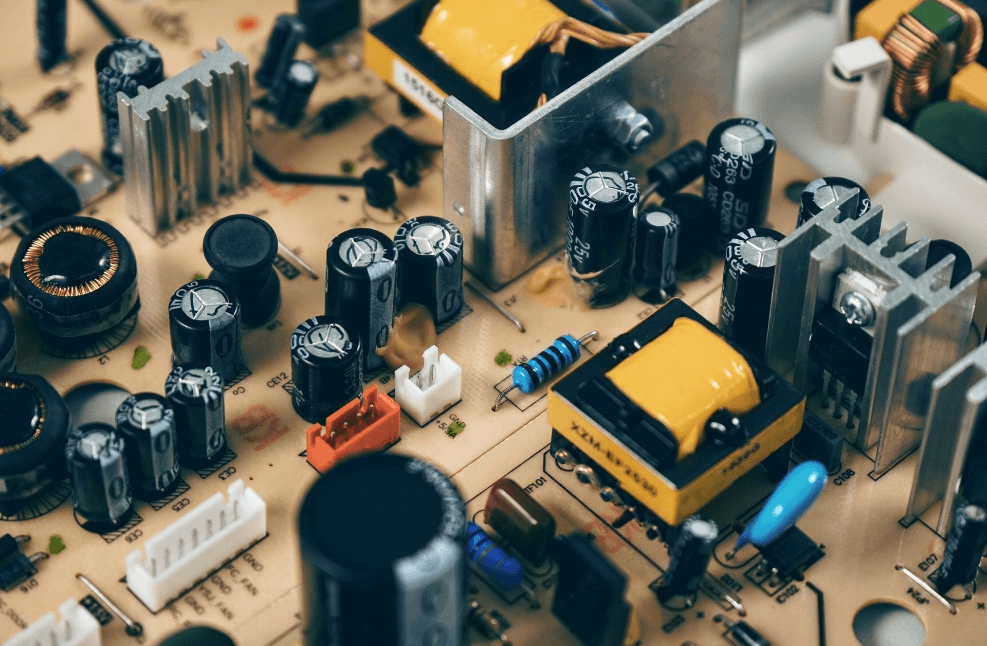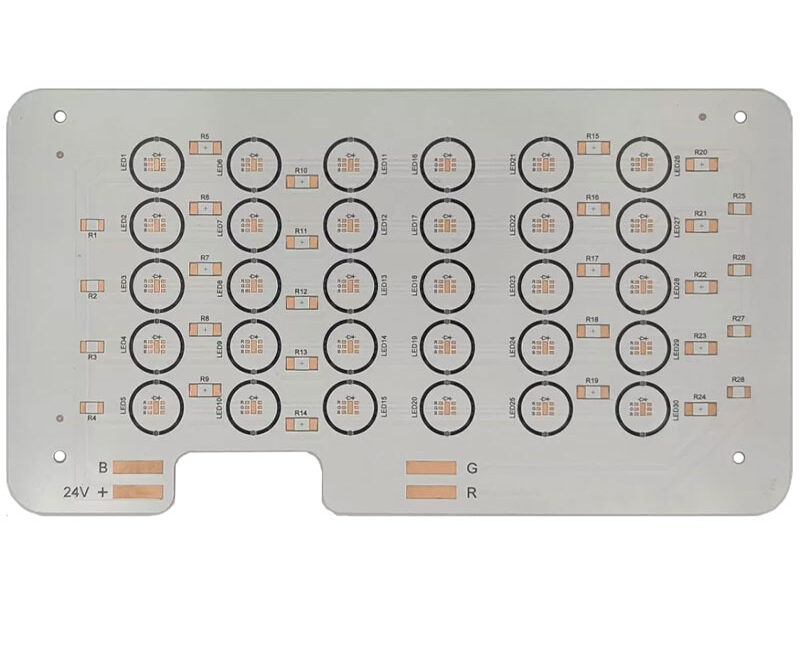
Thermal Vias and Filled Vias: Choosing for Heat and Current A via can be asked to do two very different jobs. It can conduct heat away from a device, or it can provide a flat surface for a component to be mounted on. The first requirement is met by an…
2-Layer Flex PCB: Cost Structure and Design Choices A two layer flexible circuit looks simple on a drawing, but its price is set by a stack of decisions that rigid boards never face: which base film is used, how the copper is protected, whether stiffeners are bonded, and how many…
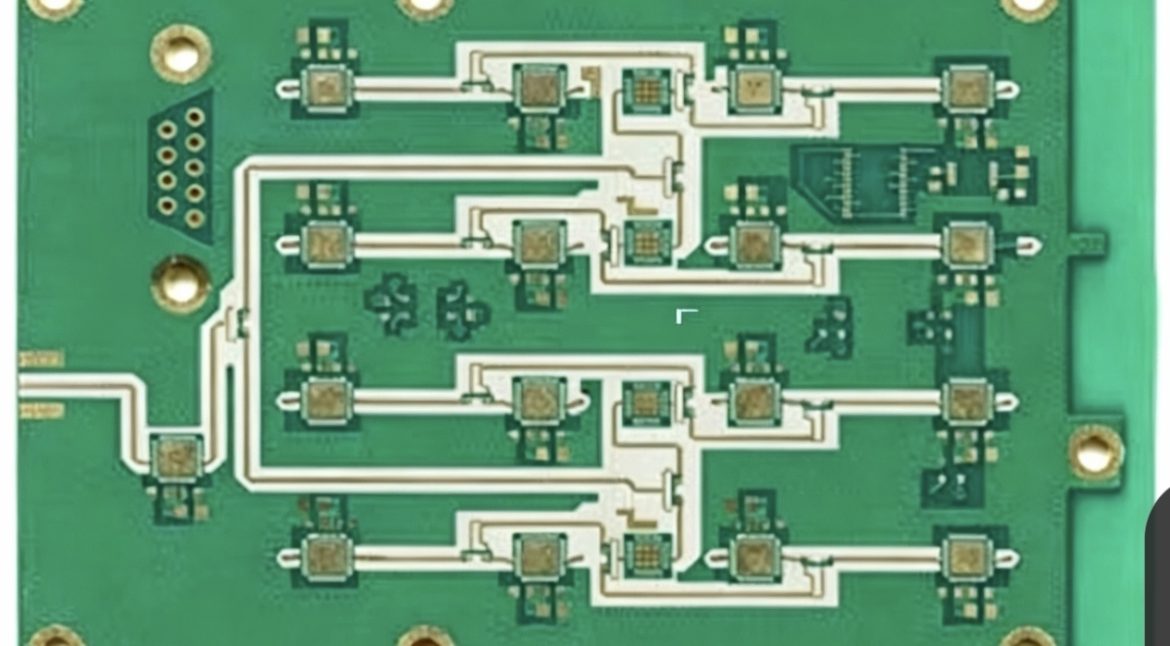
Rogers 3006 PCB: High Dk Material for Radar and RF Most high frequency laminates compete on how low their dielectric constant can go, because a low value makes traces wide and loss small. Rogers 3006 goes the other way. Its dielectric constant of 6.15 is roughly double that of the…
Ceramic Substrates: Where They Beat FR-4 and Where They Do Not A ceramic substrate is chosen when the heat or the thermal cycling is beyond what a glass-fibre laminate can survive. The advantage is real, and so is the cost: ceramic is more expensive per unit area, is available in…
Why Impedance Control Matters on a PCB Impedance control is one of those requirements that is easy to accept and hard to justify in a design review, because the board works without it until it does not. The value is set by the geometry and the material, the process moves…
SMT Assembly Service Types: Matching Board to Supplier Two assembly houses can own the same model of placement machine and still be unable to build the same board. What separates them is not the equipment list but the way the line is configured, the staff around it, and the class…
Capacitor Selection for PCB Design: Types and Behaviour A capacitor is the simplest component on the board and the one whose behaviour is most often taken for granted. It stores charge, it blocks direct current, it passes changing current, and it does all of those things imperfectly. Capacitor selection follows…
PCB Lamination Process: Temperature, Pressure and Quality Lamination is the step that turns a stack of inner layers, prepreg sheets and copper foil into a single solid board. It is irreversible, it sets the final thickness and registration, and it is the origin of most of the internal defects that…
PCB Outer Layer Routing Design Rules for Manufacture The outer layers of a board are the ones the fabricator sees first and the ones where the smallest mistake is the most expensive, because everything on them has already been paid for by the time the defect appears. Inner-layer design is…
Face Recognition PCB Design: Camera, Processor and Thermal A face recognition device has to capture an image, process it with a neural network and return a decision, all within a fraction of a second and inside a small enclosure that is often mounted on a wall in direct sunlight. The…