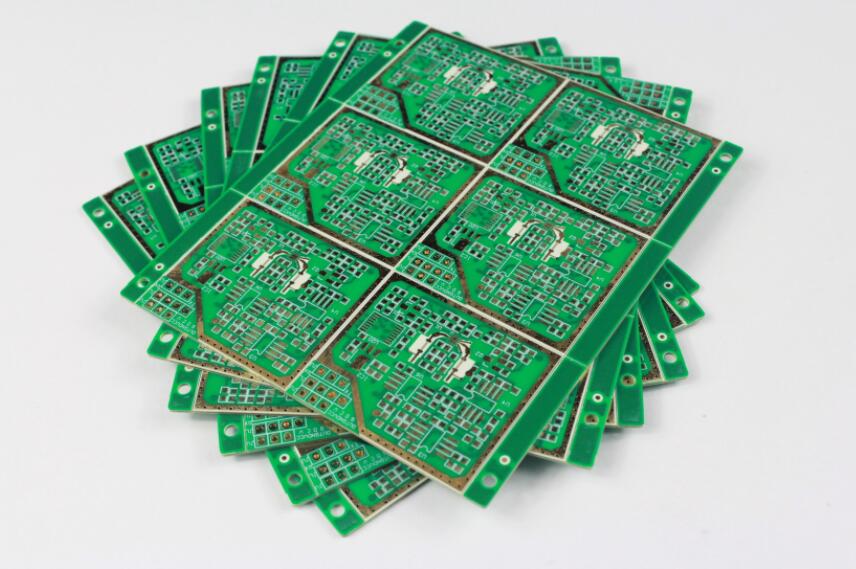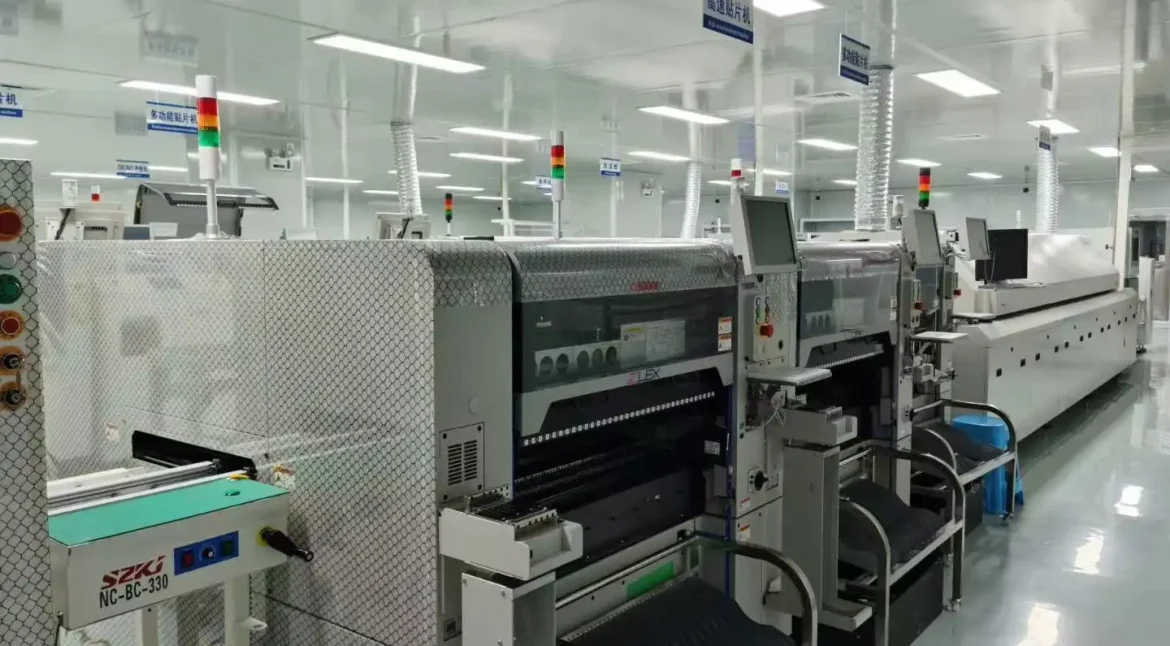
PCB Yield and Process Control: Reducing Defect Rates Yield is the number that tells a fabricator and a customer whether a process is under control. It is not a single figure: first pass yield counts only the boards that pass every operation without rework, while final yield counts those that…
Hipot Testing of PCB Assemblies: Process and Standards A hipot test applies a high voltage across an insulation barrier and checks that no significant current flows. It is the standard way to verify that the isolation built into a product is actually present after assembly, and it is one of…
FR4 versus Polyimide PCB: Material Comparison FR4 and polyimide are the two materials most designers meet first, and they are often treated as competing options for the same job. In practice they solve different problems: one is a rigid structural material with good electrical behaviour and a low price, and…
PCB Holes Explained: Plated Through Hole, Via and Mounting Hole A finished board is covered in holes of several different kinds, and confusing them is a common source of layout and manufacturing mistakes. Each type exists for one purpose, has its own plating requirement and its own set of rules.…
Via Plugging: Tenting, Filling and Process Choice Once a board carries surface mount devices, the vias stop being a detail and become an assembly requirement. A hole that is open, or that traps solder, produces a defect that shows up as a short or a void rather than as a…
PCB Tolerance and Dimension Rules for Prototypes Most disagreements between a designer and a fabricator are not about capability but about default values. The designer assumes a tolerance, the fabricator assumes a different one, and the difference is discovered when a connector does not fit or a panel will not…
Designing a Wearable GPS Tracker Board A wearable tracker for a child or a pet is one of the harder small boards to design. It has to receive a satellite signal that arrives at roughly minus one hundred and thirty decibels, transmit through a cellular network with a power amplifier…
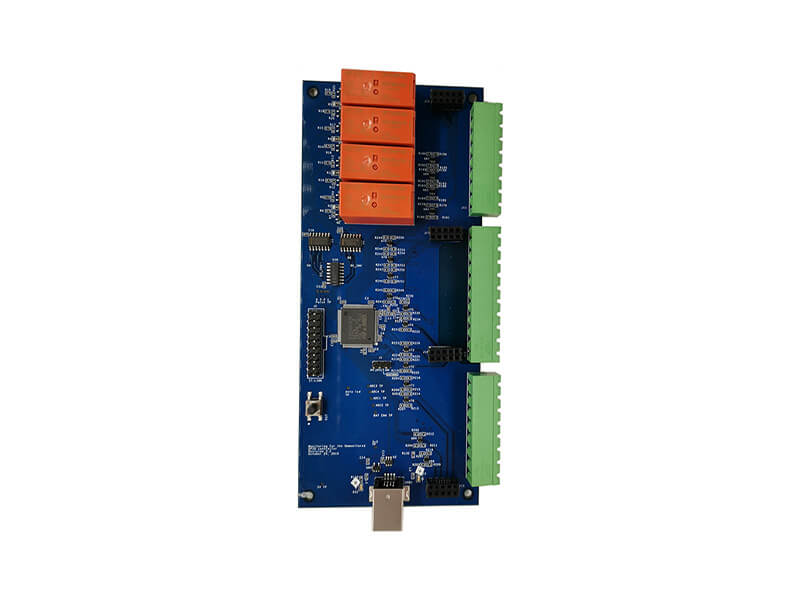
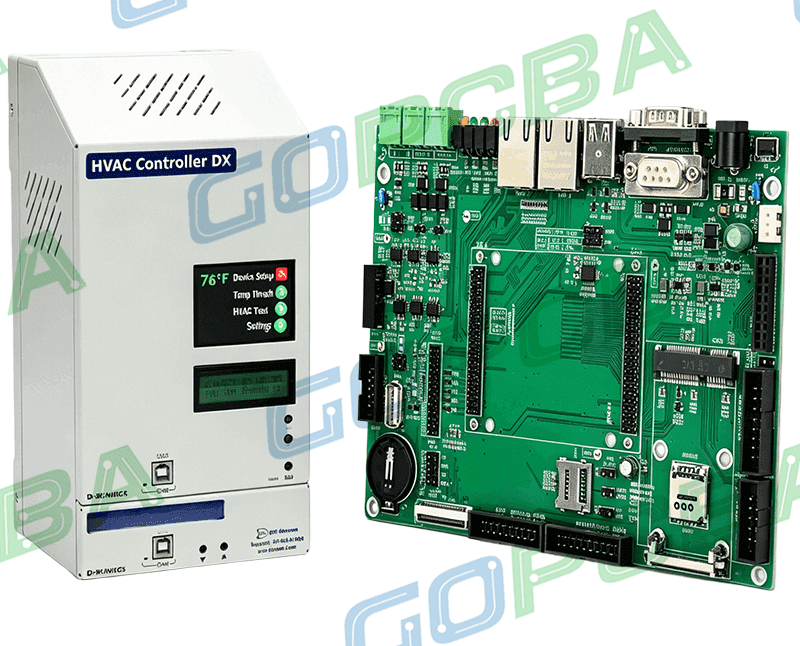
Industrial Control Board Layout Standards An industrial control board is judged on three things: the chipset it is built around, the way the layout and the routing have been handled, and the quality of the parts and the laminate. Of those three, the layout is the one a buyer can…
Ceramic PCB Materials: Alumina, AlN and Their Applications Ceramic substrates are used where the electrical and the thermal requirements cannot both be met by an organic laminate. They offer a dielectric constant that does not drift, a thermal conductivity that an epoxy cannot approach and a coefficient of thermal expansion…
How to Tell How Many Layers a PCB Has Knowing how many layers a board contains matters more often than it sounds. It determines whether a design can be copied, whether a repair is feasible, and whether a supplier’s quotation is credible. Fortunately the layer count can usually be established…