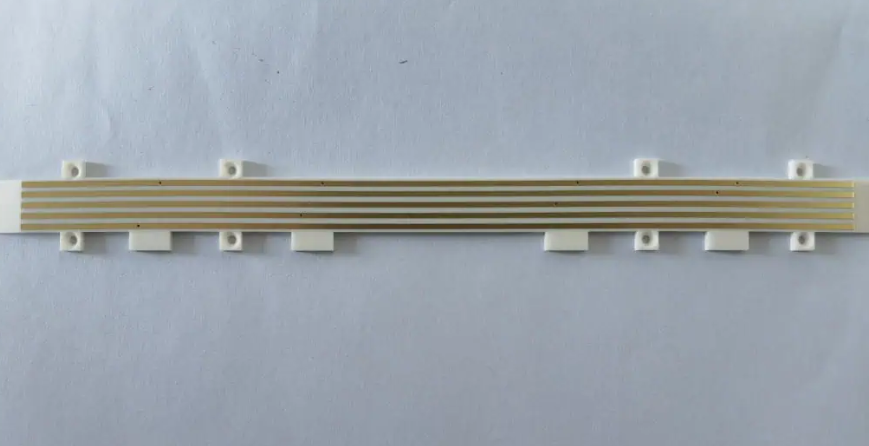
Gold Finger Bevel: Chamfer Angle, Insertion and Wear The edge of a plug-in card is a mechanical interface before it is an electrical one. The gold fingers have to slide into a connector, find their position and carry current without damaging either surface, and the shape of the leading edge…
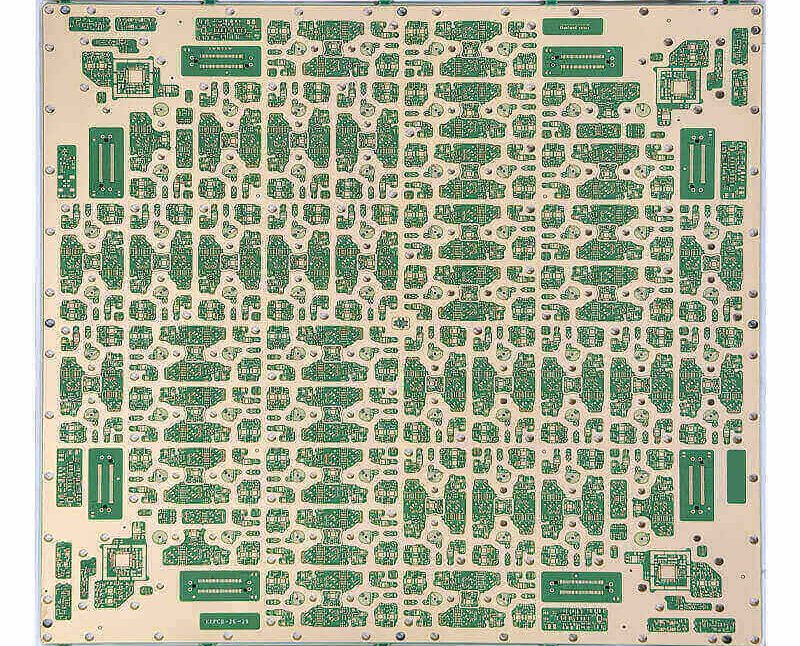
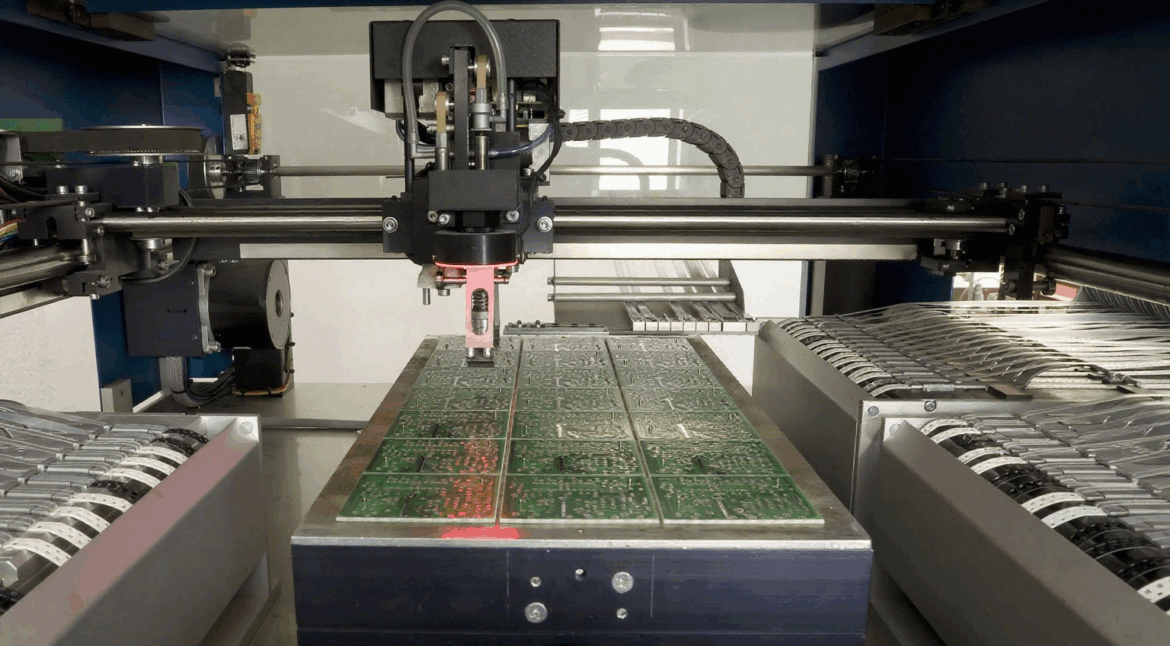
In-Process Inspection at Each PCB Fabrication Stage The cheapest defect to fix is the one caught at the stage that created it. A short circuit found on the finished board means scrapping a panel that has already passed through drilling, plating, imaging, etching, solder mask and surface finish; the same…
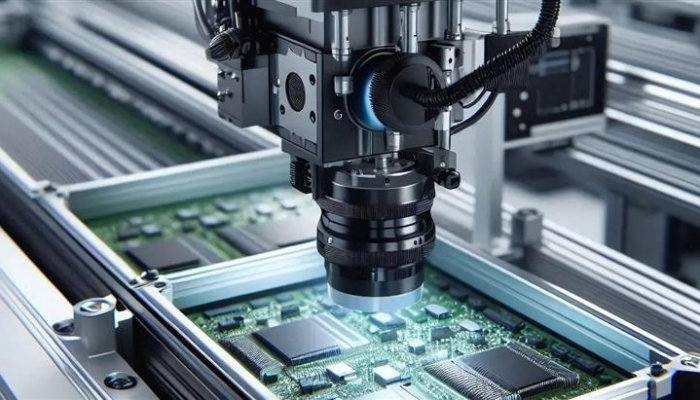
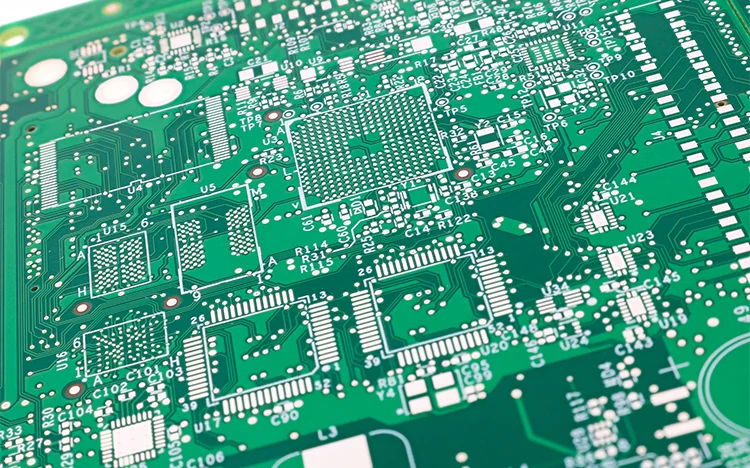
X-ray Inspection for BGA and Hidden Solder Joints Optical inspection is excellent at finding what it can see. A missing component, a tombstoned chip, a solder bridge between two visible pins or a misaligned part are all obvious under a camera. What it cannot see is the underside of a…
Metal Core PCB Thermal Design for LED Boards When an LED board runs hot, no amount of clever routing fixes it. Heat leaves the die through the package, crosses the solder joint and the board, and finally reaches the air. Every one of those steps has a thermal resistance, and…
EV Charger 4-Layer PCB: Stackup, Materials and Layout A charging station control board has to do several jobs that pull in different directions. It runs a microcontroller and several communication interfaces, measures voltage and current accurately, drives contactors, and sits inside equipment where mains or high voltage DC is present…
Refrigerator PCB: Control Board Design and Reliability A modern refrigerator contains more electronics than its mechanical parts suggest. The compressor runs from a variable frequency drive, the fans are speed controlled, the defrost cycle is scheduled by a microcontroller and the temperature is measured in several places at once. The…
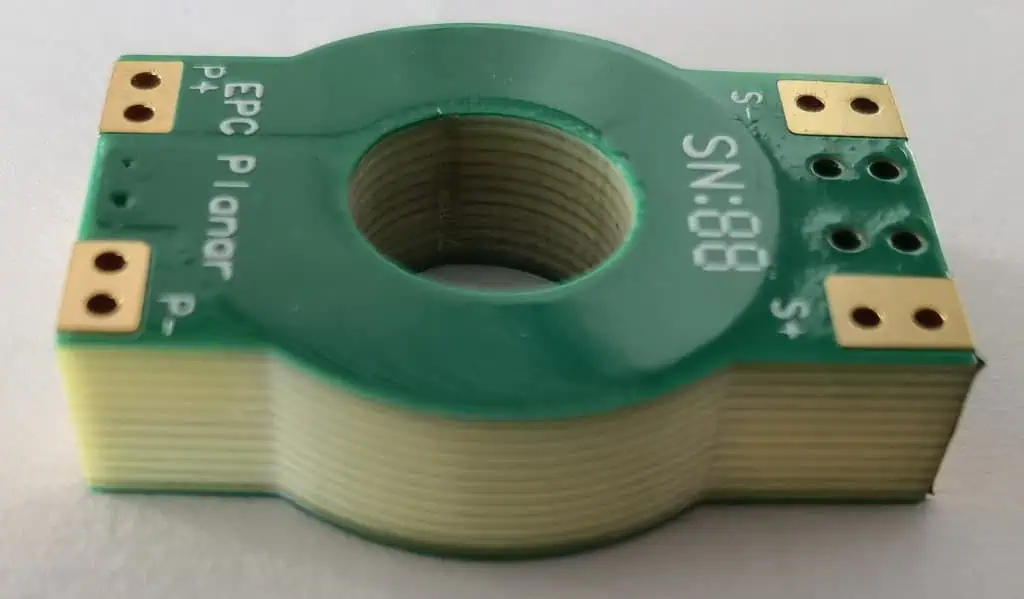
Magnetic Coil PCB versus Inductor PCB: Key Differences Once a coil or an inductor is built into a board rather than wound as a separate component, two different things are being described. A magnetic coil PCB forms an electromagnetic structure that couples to another coil or to a magnetic field,…
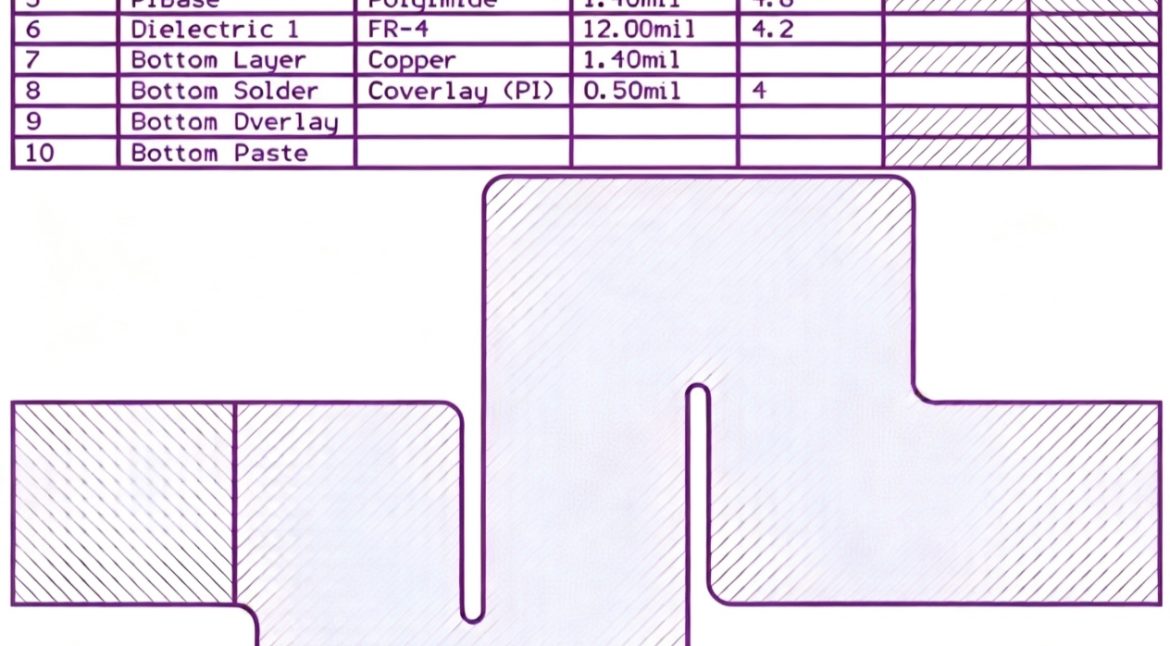
Flexible and Rigid PCB: Where the Difference Actually Matters Ask ten engineers to describe the difference between a flexible circuit board and a rigid one and most will say flexibility, then stop. That answer hides the parts that actually change a design review. A flexible board is not a rigid…
Carbon Ink and Carbon Film PCB: Which to Specify Carbon on a printed circuit board does two jobs that copper cannot do cheaply. It provides a wear resistant surface for a membrane switch or a keypad contact, and it forms a resistor of a defined value without adding a component.…
PTFE PCB and Ceramic PCB: Choosing by Dk, Loss and Heat Two substrate families dominate the top of the circuit board market, and they are chosen for different reasons. A PTFE board is chosen for its electrical behaviour: a low dielectric constant, a very low loss and a stable response…