How Via Plugging and Tenting Differ: Materials and Defects Vias are plugged for two reasons that rarely appear together in the same documentation: to keep solder and flux out of an open barrel during assembly, and to create a flat surface on which a component can be placed. The first…

Satellite PCB vs Aerospace PCB: Requirements Compared Satellite and aerospace electronics are often treated as one category in procurement, and they share a reliability class, a documentation culture and several materials. They are not the same requirement, though. An avionics board can be removed at the next maintenance interval; a…
PCB Edge Plating: EMI Shielding and Grounding Most of a circuit board is designed on its faces, with the edges treated as a cutting line. Edge plating changes that by putting conductor on the edge itself, connecting the outer layers and sometimes the inner ground planes around the perimeter of…
Schematic Entry Mistakes That Break the Netlist The schematic is the source of truth for the whole project. Every net in the layout, every entry in the bill of materials and every test point in the netlist comes from it, so a small inconsistency at the schematic stage propagates into…
Core PCB Design Issues and How to Resolve Them Board failures rarely come from a clever circuit that did not work. They come from a handful of recurring issues that appear in almost every design: a sensitive part placed next to a heat source, a plane that turned into a…
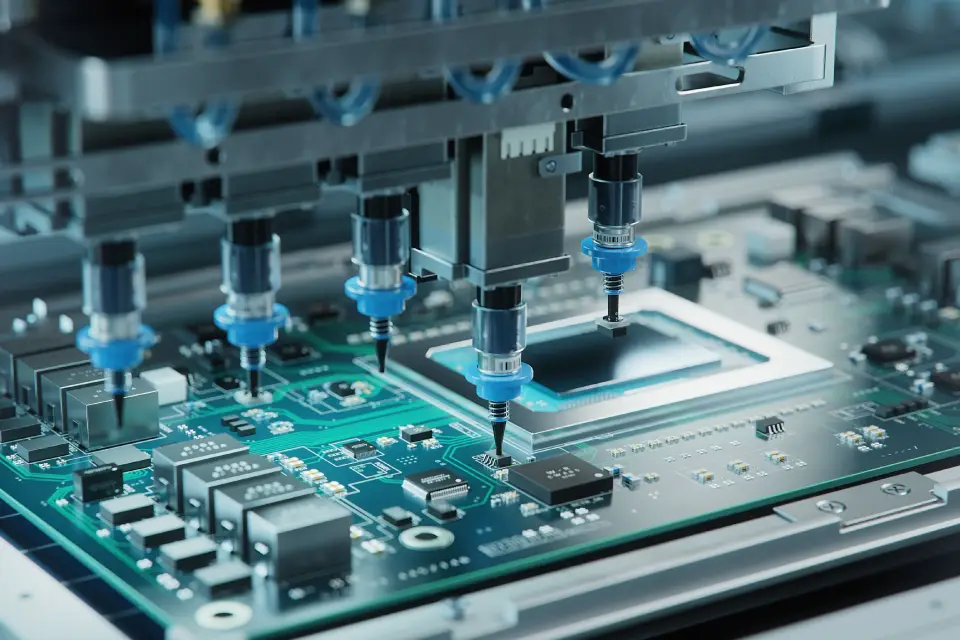
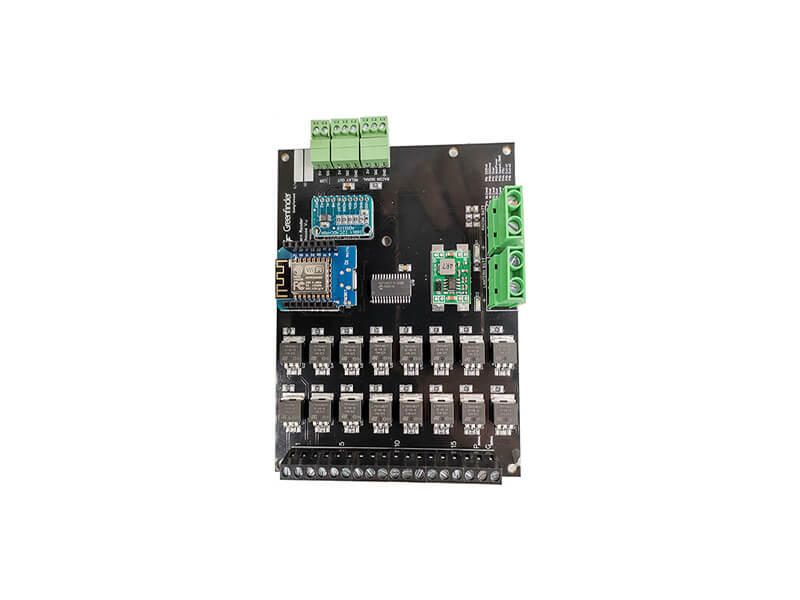
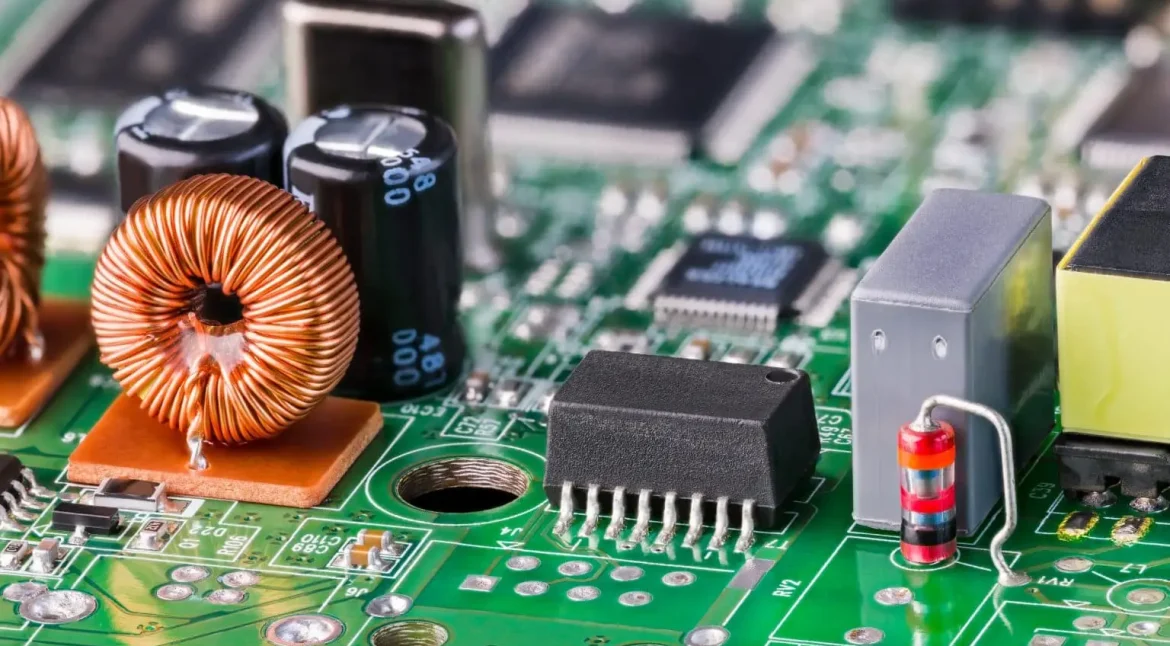
Surface Mount Assembly versus Through Hole: How to Choose The choice between surface mount and through hole technology is no longer a question of which process is modern. Both are mature, both are used in high reliability products, and most boards today carry a mixture of the two. The decision…
OSP versus ENIG: Choosing a PCB Surface Finish Every exposed copper pad on a board has to be protected between fabrication and soldering, and the coating that does that job is called the surface finish. The choice looks like a detail until a production line starts rejecting joints or a…
PCB Design Constraints That Survive Manufacturing Most PCB teams still hand down design rules as a table of fixed numbers: a minimum trace width here, a clearance there, a target impedance for every net on a given layer. That table works until the board stops being simple. Once a design…
Power Supply PCB Layout: Loop Area, Ground and Safety A switching power supply is not one circuit. It is at least three circuits sharing a board: the high-current power stage, the gate drive that controls it, and the small-signal sensing that decides what the power stage should do. Treating them…
PCB Stepped Slot and Cavity: Depth Control and Design Rules A stepped slot is a recess milled into a board to a controlled depth rather than through the whole panel. The floor of the recess becomes a mounting surface, a light path or the seat for a module that has…