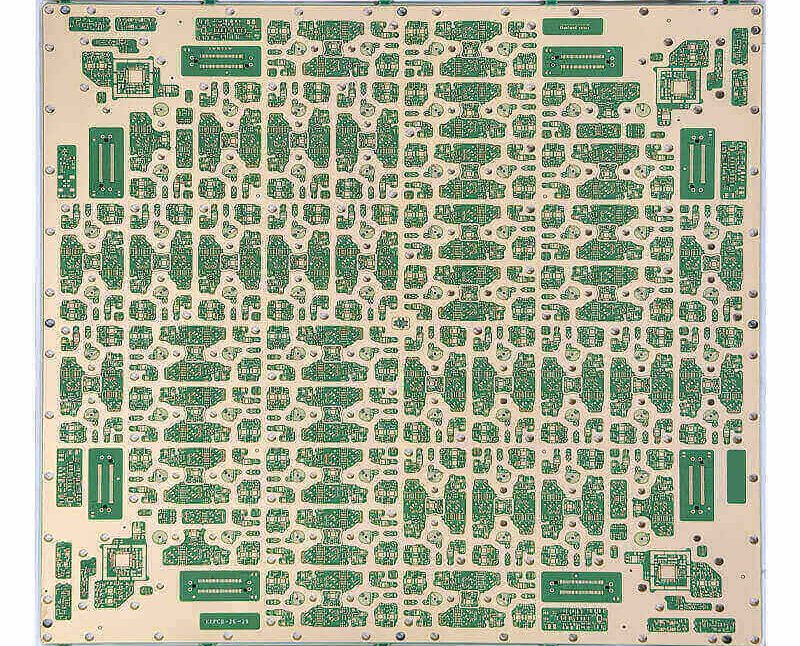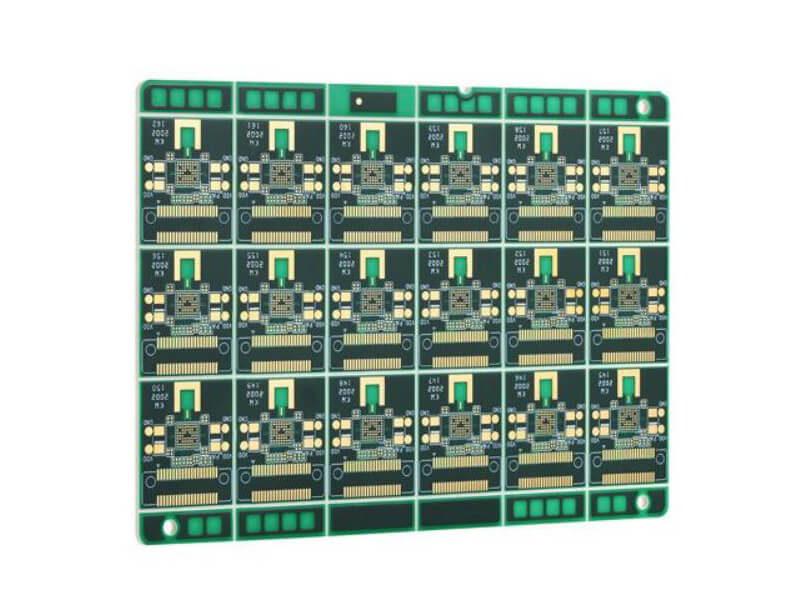
Fretting Corrosion in Connectors: Plating Wear and Contact Resistance Fretting corrosion is the damage that occurs when two metal surfaces in contact are rubbed together by a small, repeated motion. In a connector on a printed circuit board the motion is rarely more than a few micrometres and comes from…
Reflow Soak Zone Control in Solder Profiles: 6 Rules The soak zone is the part of a reflow profile between the initial ramp and the ramp to peak, where the board temperature is held roughly level for a period. Its purpose is to let the whole assembly equalise in temperature…
Saponifier: Design Rules and Process Limits A saponifier is an alkaline additive that converts flux residue into a water-soluble soap, so that an aqueous cleaner can remove chemistry that plain water would only wet. It is used where a no-clean or rosin-based residue has to be removed but the flux…
Tray Feeder Setup: Pick Position, Vision and Odd Form Parts A tray feeder presents components that cannot travel in tape, so the placement machine can pick them at a defined position. It is the standard way to feed odd form parts, connectors, modules and large parts that would not survive…
Microsection Quality: Cutting, Mounting and Polishing the Truth A microsection is the reference evidence for plated thickness, barrel integrity, intermetallic growth and laminate damage. It is also a destructive test whose result depends entirely on how the specimen was prepared, and a badly prepared section can invent defects or hide…
ICT Test Coverage: What the Fixture Actually Proves Test coverage is the fraction of the circuit that a test can actually reach and measure, and it is fixed long before the fixture is built. It is decided by the layout, by the test points that were placed and by the…
Underfill Voids: Where They Come From and How to Find Them Underfill is a filled epoxy that flows into the gap beneath a package and mechanically couples the component to the board. It reduces the strain that thermal cycling puts on the solder joints, and it does that only where…
Imaging Room Humidity Control: 5 Limits for Sharp Dry Film Imaging room humidity is the quiet variable behind a whole family of defects that operators usually blame on the artwork or the film. Dry film is a plastic layer with a photoactive coating that absorbs water from the air, and…
Solder Mask Tack Cure: 6 Settings for a Stable Surface Solder mask tack cure is the short drying step that turns a freshly printed or curtain coated mask into a surface that can be handled, imaged and developed without smearing. It is not a full cure, and treating it like…
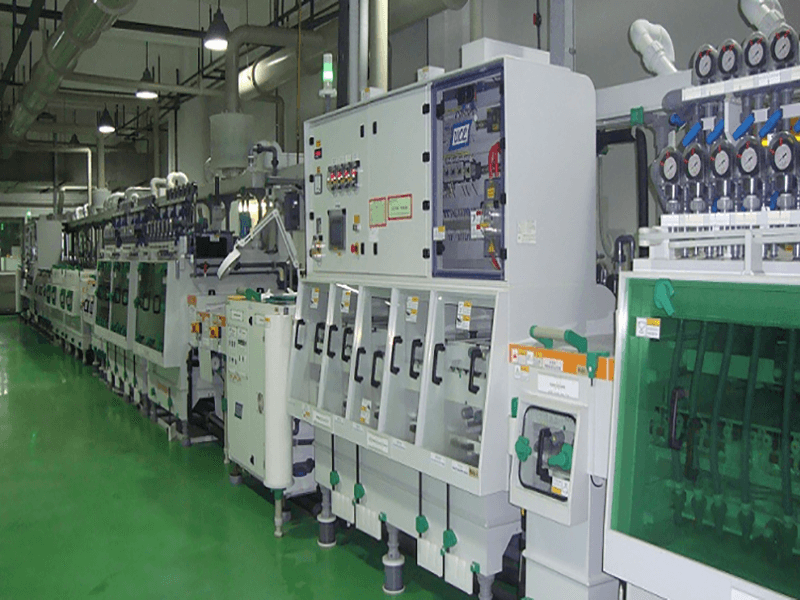
Plating Bath Agitation: 5 Methods for Even Copper Deposition Plating bath agitation does the work that chemistry alone cannot. Copper ions reach the panel surface through a thin layer of stagnant solution called the boundary layer, and that layer is where deposition slows down and thickness spread begins. Move the…