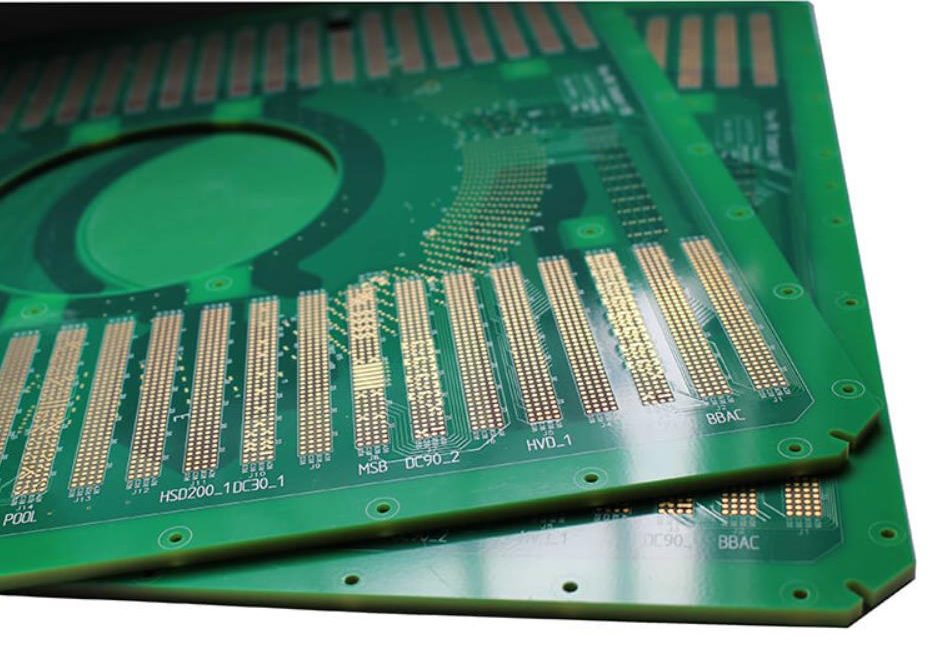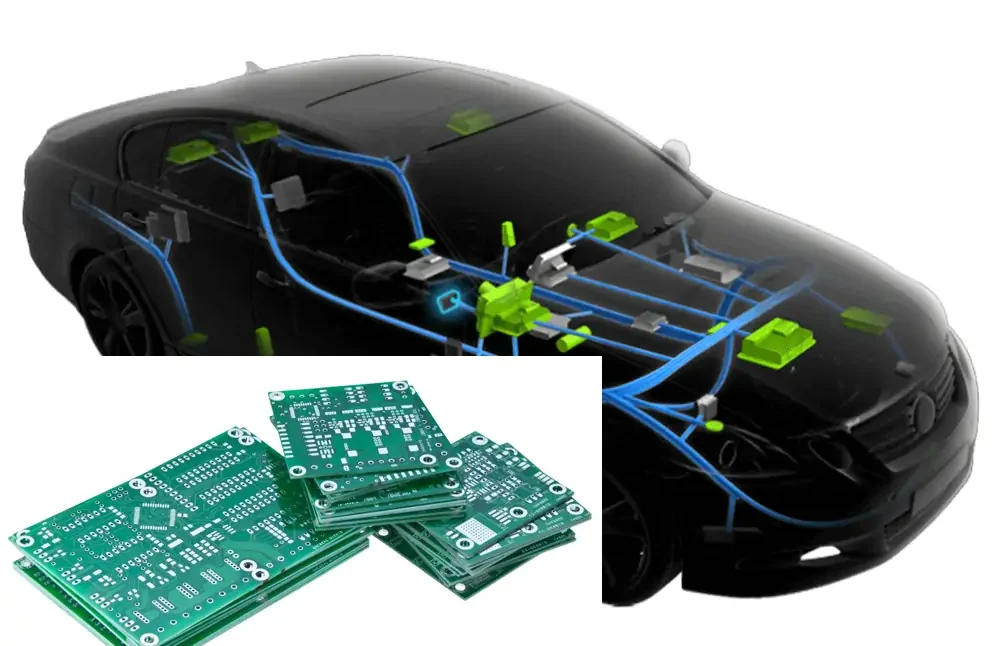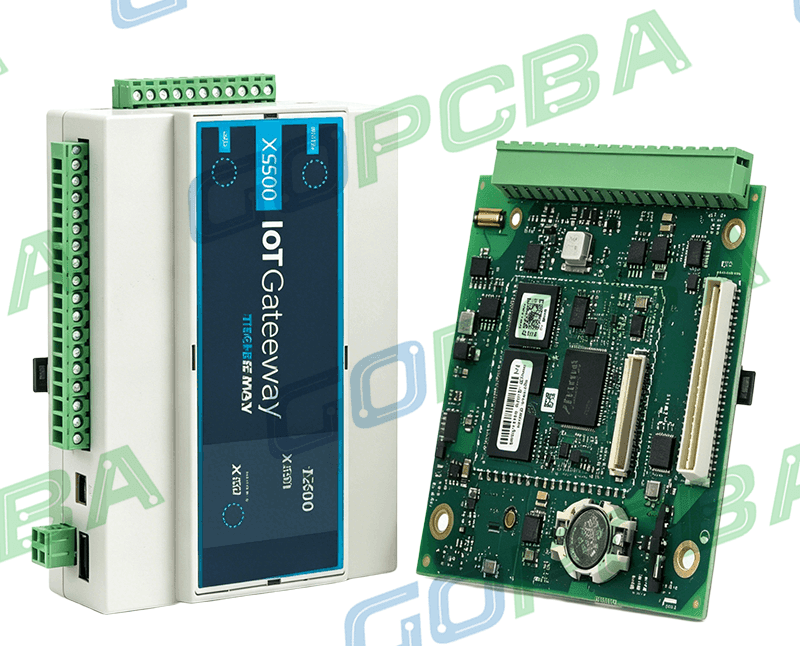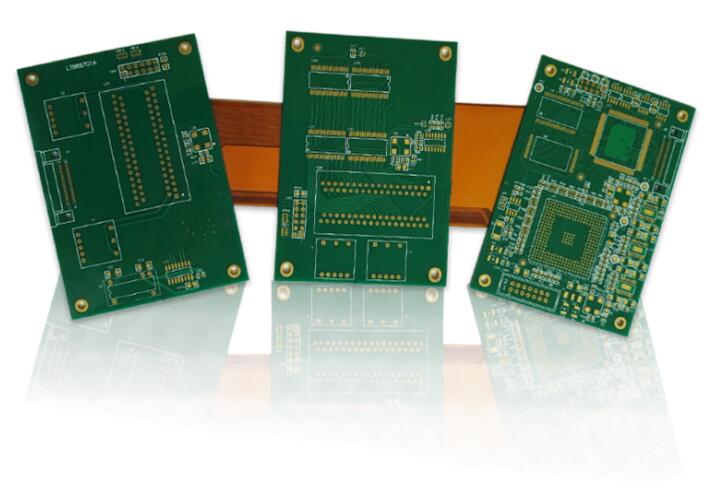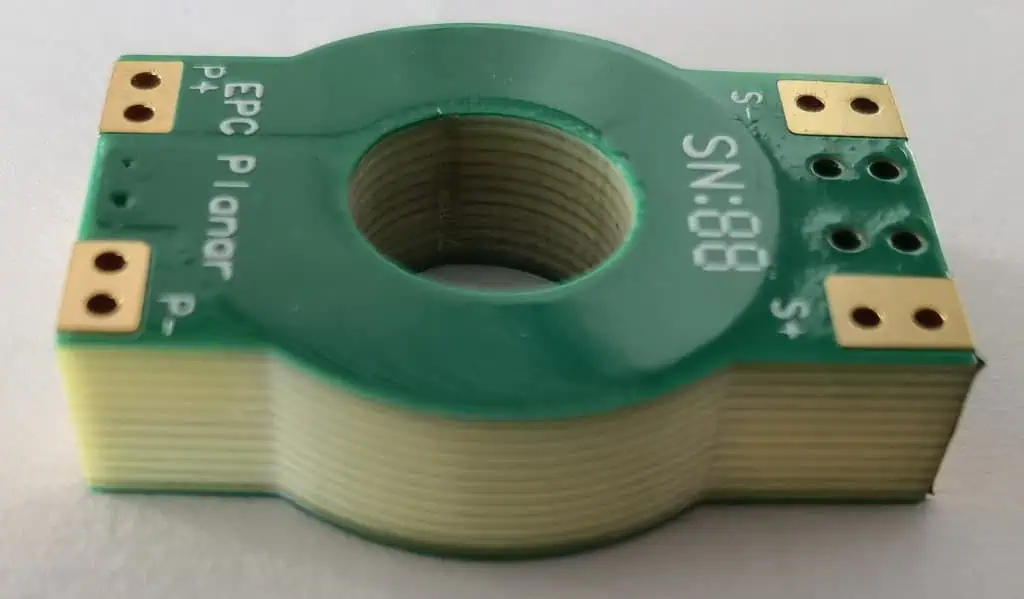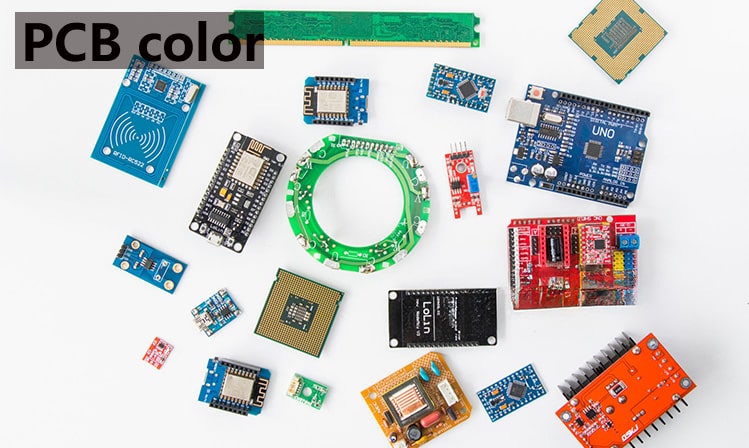
Module Board Design: Partitioning, Interfaces and Shielding A module board is a small circuit that performs one function and connects to the rest of the system through a defined interface. Power modules, display drivers, radio transceivers, sensor front ends and motor controllers are all built this way. The approach reduces…
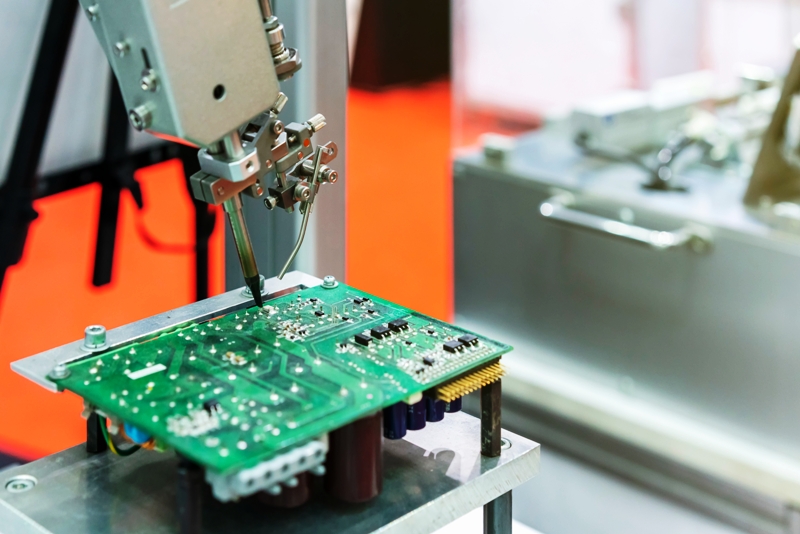
Hand Soldering on Aluminum Substrate PCBs: Practical Guidance Soldering by hand on an aluminum substrate is not difficult, but it is different from working on FR-4. The metal base pulls heat away from the joint far faster than a glass epoxy board, the dielectric layer underneath the pad has a…
FR-4 vs G-10 Laminate: Flame Retardant and Mechanical Differences FR-4 and G-10 are both glass fabric laminates bonded with epoxy resin, and they are often described as if one were simply a better version of the other. The real difference is narrow and specific: G-10 is the older, non flame…
PCB Area Estimation: How to Size a Board Before Layout The cheapest moment to change a board size is before layout starts. Once the outline, the connectors and the mounting holes are fixed, the enclosure and the mechanical parts are committed as well, and a late realisation that the circuit…
Inside a Spectrum Analyzer: Board Design and Shielding A spectrum analyser is an instrument that measures amplitude against frequency, and it does so over an enormous dynamic range. It has to resolve a signal a hundred decibels below the strongest one present, sweep or capture across decades of frequency, and…
China PCB Industry Landscape and Manufacturing Trends The printed circuit board industry is no longer distributed evenly across the world. Fabrication capacity, engineering depth and the product mix available from any given region differ enormously, and those differences decide what a hardware team can actually buy, at what price, and…
PCB Design Around a High-End Applications Processor A high-end applications processor is no longer a single chip surrounded by a few peripherals. It is a small system: several high-speed serial links, a display pipe, a memory controller that wants its own stack-up, and a power architecture with a dozen rails…
Precision PCB Assembly for Medical Robotics A surgical robot, a rehabilitation exoskeleton or an imaging gantry contains several electronic subsystems that must work together with predictable behaviour over years of use. The control loops run continuously, the actuators produce electromagnetic noise next to sensitive feedback channels, and the assembly may…
RF and Thermal Layout Rules for Microwave Transmitter PCB Assemblies A microwave transmitter runs hot, runs continuously and cannot tolerate a small error in the wrong place. At several gigahertz a fraction of a decibel of extra loss reduces the link margin, a few degrees of phase drift spoils a…
CEM-1 PCB: Manufacturing and Assembly Guide CEM-1 is the laminate that sits between paper-based phenolic board and woven glass FR-4, and it exists because a large part of the electronics market does not need the mechanical performance of FR-4 but does need something better than paper. It is a composite:…