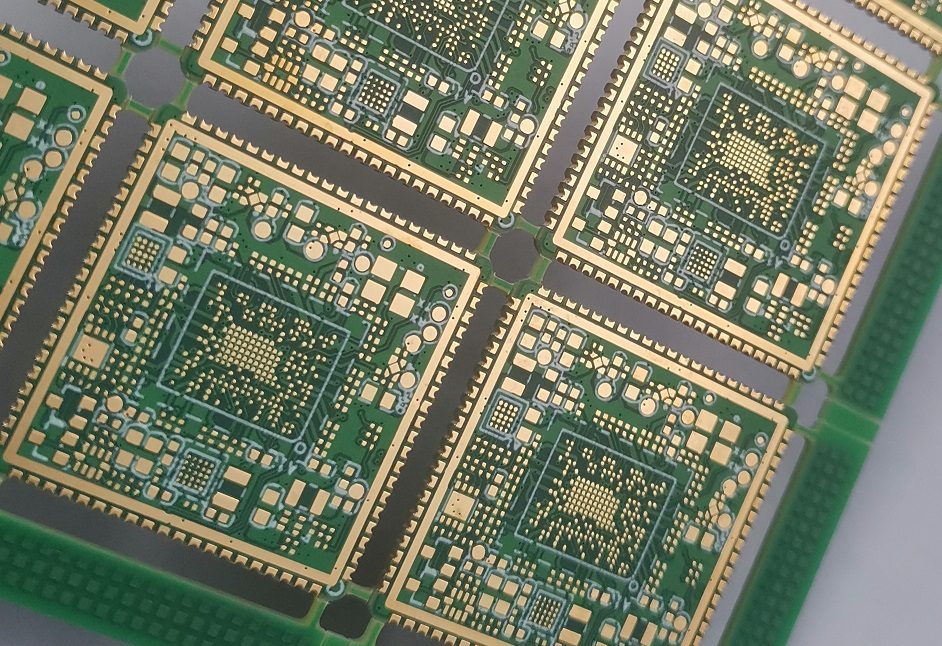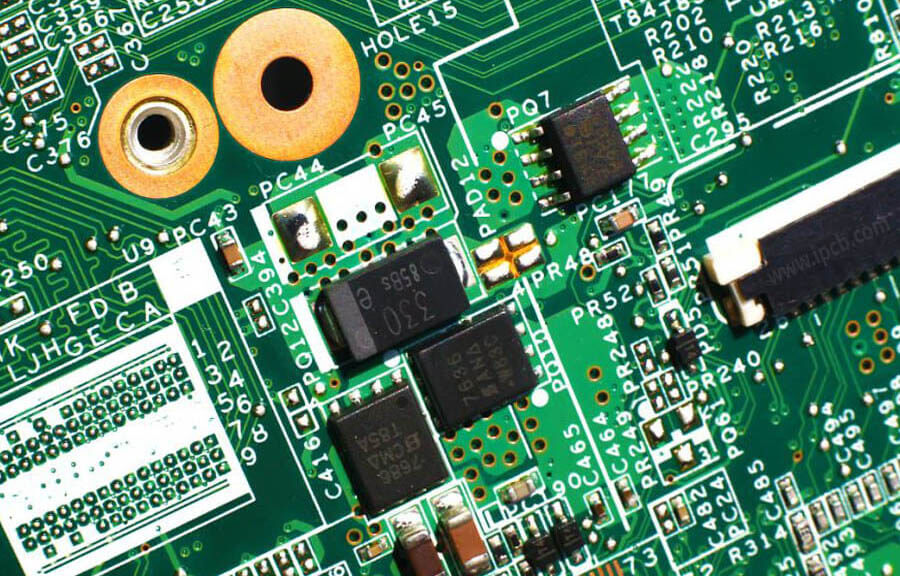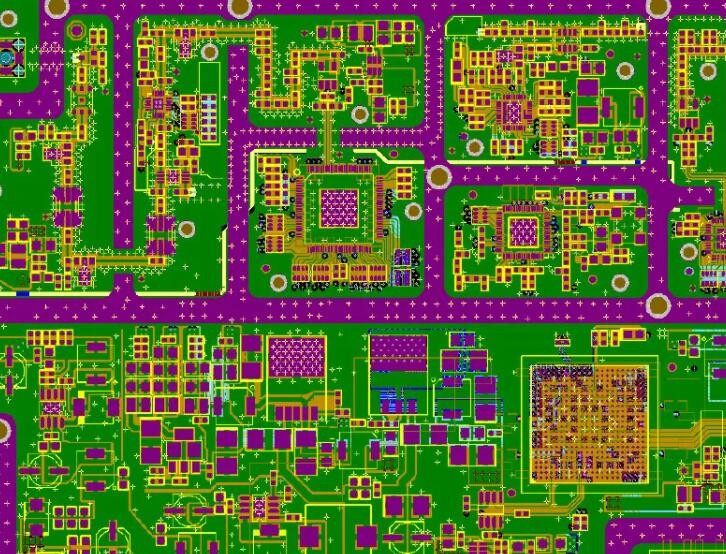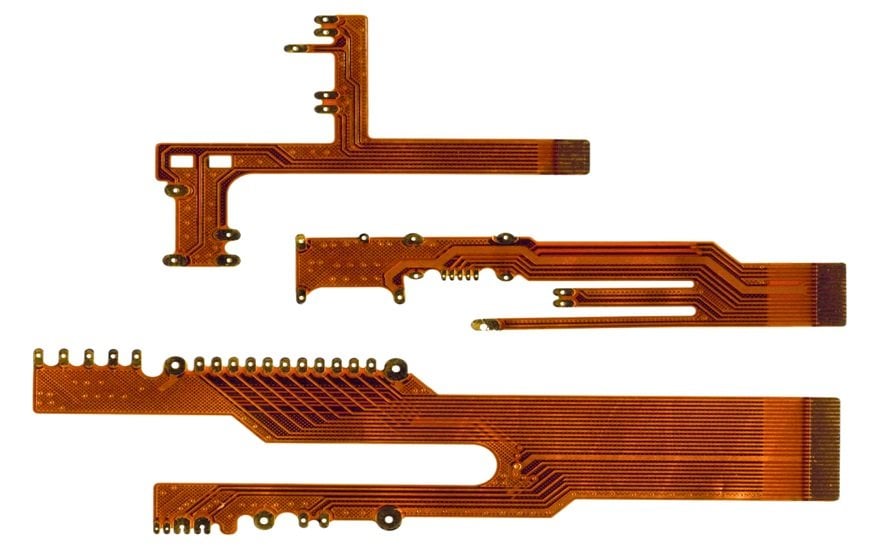
PCB Requirements for Medical Electronics Medical electronics is not a different kind of circuit design. It is ordinary circuit design held to a documented standard, with evidence that the standard was met. The board carries requirements that consumer products do not, not because the electronics behave differently but because the…

What Actually Determines PCB Quality Ask five people what makes a good circuit board and you will get five answers, most of them about price or delivery. The properties that decide whether a board works in three years are measurable, and they are all set inside the fabrication process rather…
FPC Stiffener and Die-Cut Auxiliary Materials Guide Flexible printed circuits earn their place in products where a rigid board cannot go, but the flex circuit itself is only half of the finished assembly. A bare polyimide or polyester base bends, folds and rolls, which is exactly what designers want and…
PCB Prototype or Turnkey PCBA Assembly: Which to Order Every board goes through a prototype stage, but what arrives at the engineer bench at the end of it depends on what was ordered. A fabricator asked only for bare boards ships bare boards: drilled, plated, masked and silkscreened, with every…
Solder Ball Placement in Small-Batch SMT Assembly Small-batch SMT assembly rarely stops at one reflow. Boards that combine a fine-pitch package with an odd-form module, or that mix a consumer sensor with an industrial interface, often need a second assembly operation after the main build. Solder ball placement gives that…
How PCB Factories Cut Prototype Production Time Prototype production time is the interval between a released fabrication package and a box of working boards on the bench. For most hardware teams it is the most expensive delay in a project, because every extra week pushes schematic verification, firmware bring-up, and…
Impedance Control: The Fabrication Capability Behind It Impedance control is usually discussed as a design problem, yet most out-of-spec measurements trace back to fabrication variables rather than to the layout. A trace drawn 0.15 mm wide on the Gerber is not 0.15 mm after etching and plating; it is whatever…
Debugging Power Supply Noise and Clock Coupling in Measurement Circuits Precision analog circuits fail in ways that a schematic review will never reveal. A 16 bit measurement channel can meet every specification on paper and still return noisy data, because the noise enters through the power pins, through a clock…
How to Reduce PCB Prototype Lead Time with Better DFM Planning Prototype lead time is seldom limited by the imaging and etching steps themselves. On a first-article build, most of the calendar time disappears into incomplete data, late stackup decisions and questions that travel back and forth between designer and…
Microstrip, Stripline and Coplanar Waveguide for RF Transmission Line Design Wireless capability is now expected in almost every product, and the radio section of the board is where analog layout discipline matters most. Above a few hundred megahertz the copper is no longer a connection; it is a transmission line…