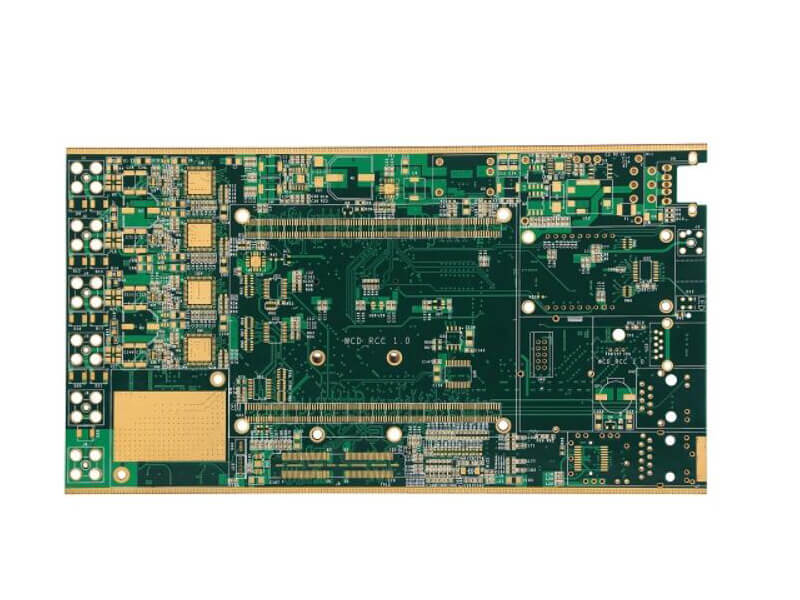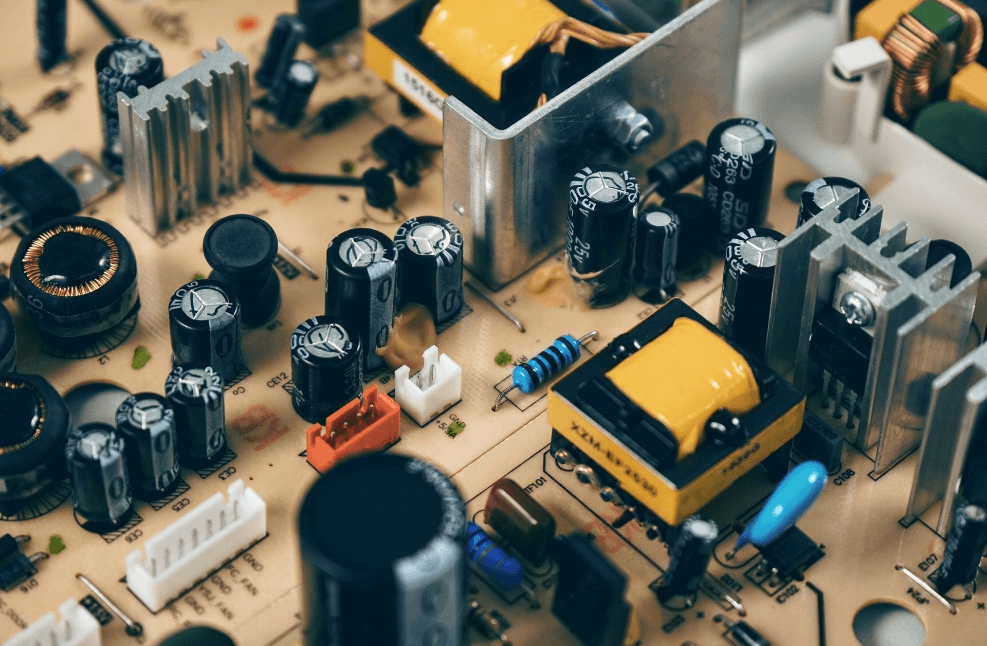
Common Soldering Defects and How the Process Prevents Them Most soldering defects are not mysterious. They appear in recognisable forms, they have a limited number of causes and the causes are almost always upstream of where the defect becomes visible. The difficulty is not in understanding the mechanism but in…
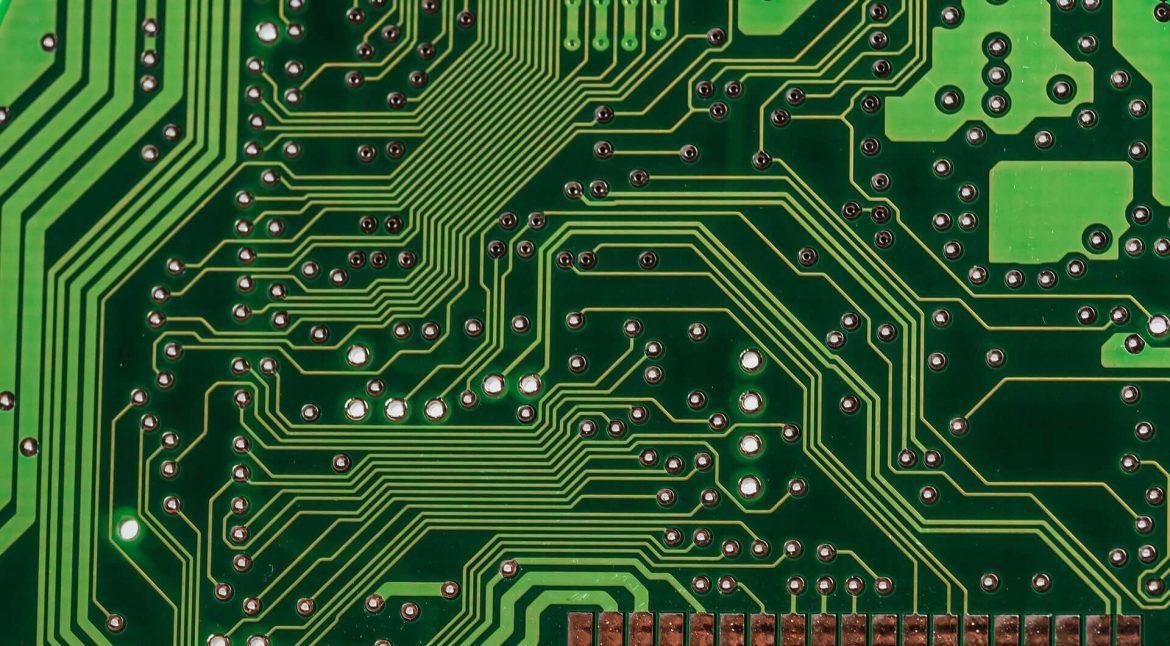
Aging Test and Burn-in for Industrial PCBA A board that passes its functional test on the day it is built has demonstrated that it works, not that it will continue to work. The distinction matters most for industrial, medical and automotive products, where the equipment is expected to run for…
PCB Cleaning After Assembly: Residue, Cleanliness and Coating Whether an assembled board has to be cleaned is a decision that belongs to the product rather than to the process, and making it by default in either direction causes problems. Cleaning a board that did not need it adds an operation,…
Functional Test and Test Fixture Development for PCBA An assembly that has been built correctly does not necessarily work, and a product that works does not necessarily work within its specification. The functional test is the stage that answers the second question, and it is the last opportunity to prevent…
Scaling a Verified Design into Volume Manufacturing There is a point in every hardware programme where the design stops being a project and becomes a product, and that point is not the design freeze. It is the moment the design is released into volume manufacturing, where the boards are built…
BOM Procurement and Material Control in Contract PCBA Manufacturing Contract manufacturing with material included is described as a turnkey arrangement, and the part of it that actually determines the schedule is the BOM procurement behind the assembly. A customer who supplies the boards and the parts buys a process; a…
Through Hole Assembly and Wave Soldering Quality Control Not every component can be placed on the surface. Connectors, terminal blocks, transformers, relays, large capacitors and anything that has to withstand a mechanical load are still mounted through the board, and the process that solders them is different from the one…
Box Build: From PCBA to a Complete, Tested Unit A printed circuit board assembly becomes a product only after it has been placed in its enclosure, connected to its cables, loaded with its firmware and tested as a whole. Box build is the term for that final stage, and it…
High Mix Low Volume SMT: Scheduling Many Products on One Line A line that builds the same product for a month is a line that runs at its highest efficiency and its lowest flexibility. A line that builds a different product every day is the opposite, and that is the…
Reflow Profile Measurement and Control in SMT Production The reflow profile is the recipe that takes a printed and populated board from room temperature to a molten joint and back again, and it is the last opportunity in the process to influence the quality of the solder. Everything before it…