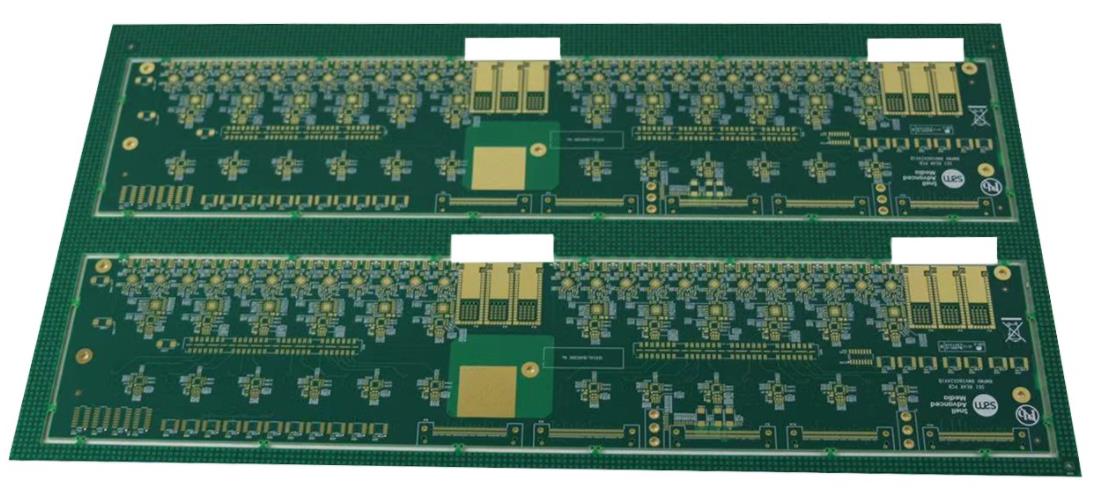
ICT Fixture Probe Alignment and Contact Verification Probe alignment decides whether an in-circuit test fixture measures the board or measures its own mechanical errors. A probe that lands a fraction of a millimetre off the target pad can still close the circuit, but the contact resistance it produces will drift…
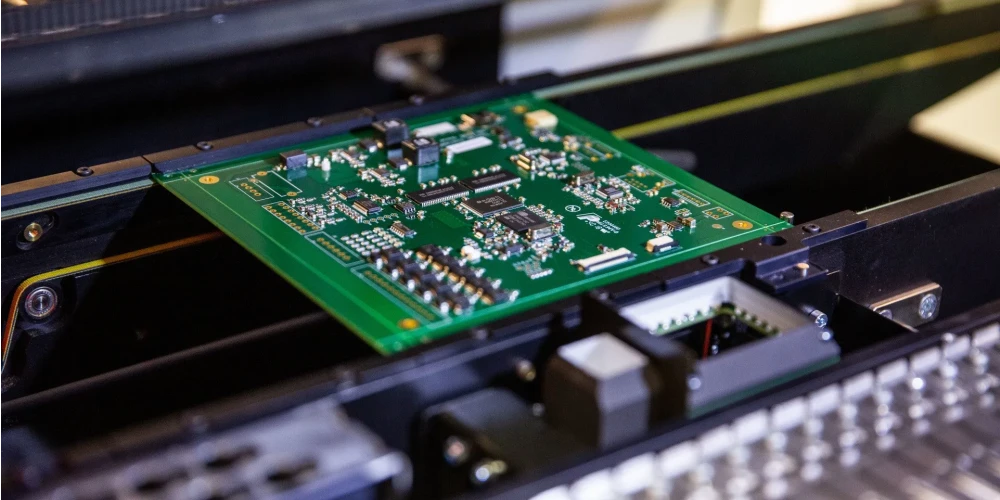
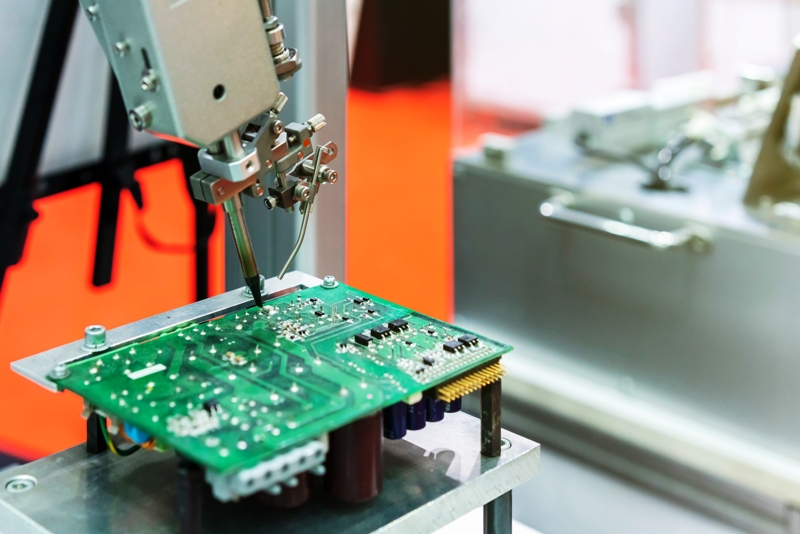
Soldering Tip Life and Iron Temperature Control Soldering tip life is a consumable cost and a quality variable at the same time. A tip that has lost its plating will not transfer heat evenly, so the operator compensates with a higher tip temperature or a longer dwell, and the joints…
Layup Symmetry: 6 Rules for a Flat Laminated Panel Layup symmetry is the rule that the stack of cores and prepreg layers placed between the press plates is balanced around its centre line. The build is designed so that resin, copper and glass are distributed evenly on both sides of…
Solder Paste Age and Lot Change Control on the Line Paste age is not one number but three: the refrigerated shelf life, the time since the jar was thawed, and the time the paste has spent open on the stencil. A printer can be running paste that is well inside…
Stencil Wear and Print Quality Through Stencil Life Stencil wear is a slow process that changes the deposit before it changes anything an operator can see. The foil is a consumable that is loaded, wiped, tensioned and unloaded thousands of times, and every one of those cycles removes a little…
Semi-Aqueous Cleaning Control in PCBA Production Semi-aqueous cleaning sits between pure solvent cleaning and a plain water wash, and it exists because many flux residues dissolve far more readily in a solvent than in water. The process uses a solvent or a saponifier to lift the residue and a water…
Drill Dust Extraction: 4 Checks for Clean Holes Dust extraction is the system that removes debris at the point where the drill creates it, and it is the first line of defence for hole cleanliness. It works alongside the vacuum, the shoe and the brush rather than instead of them.…
Panel Defect Mapping: 6 Rules for Marking and Sorting Panel defect mapping is the practice of recording where a panel failed and marking the individual units so that the fault travels with the board rather than being lost at the end of the line. It turns an inspection result into…
Nozzle Maintenance on an Etch Line: 4 Checks for Even Spray Nozzle maintenance is the part of etch line care that decides whether the chemistry reaches the panel evenly. The bath can be perfect and the conveyor accurate, and the result will still be uneven if some nozzles deliver less…
Flux Residue Cleanliness Verification: What the Tests Measure Flux residue is what remains on the assembly after soldering, and whether it matters depends on the chemistry, the amount, and what the board will be exposed to afterwards. A cleanliness verification method only means something when it is matched to the…