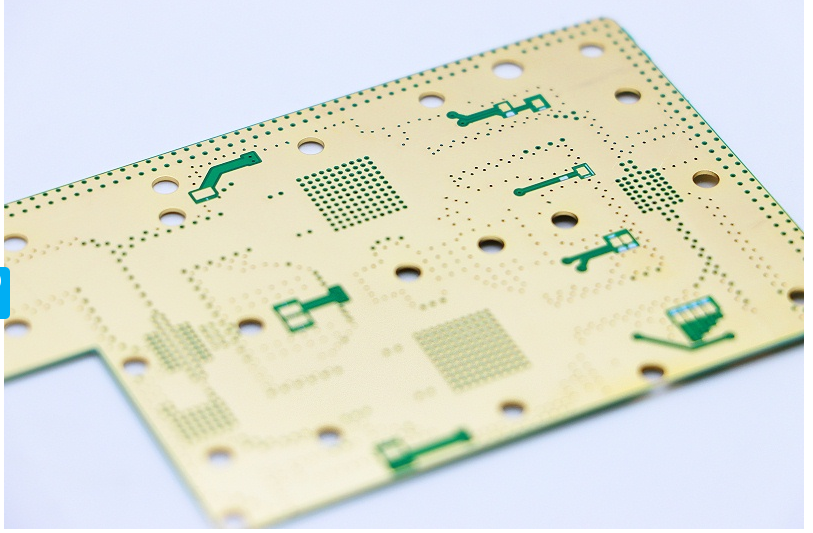
Brush Plating Repair: 6 Rules for Selective Plating Brush plating repair deposits metal on a local area of a finished board using a hand held anode wrapped in an absorbent sleeve soaked in plating solution. It restores a damaged track, a worn edge connector or a pad that has lost…
Solder Paste Bridging: Why Adjacent Deposits Join Solder paste bridging is contact between two adjacent deposits of paste, either as printed or after the paste has spread on the board. It becomes a solder short at reflow because the two deposits melt into one continuous volume of alloy. The condition…
Hole Breakout: When a Drill Misses the Capture Pad Hole breakout occurs when the drilled hole is positioned, or the pad has moved, so that the hole cuts outside the copper pad it was meant to sit inside. The result is a <a href="https://www.gopcba.com/pcb-drill-registration/” title=”annular ring”>annular ring that is thin…
Solder Joint Pull Testing and Failure Mode Analysis A pull test measures the force needed to separate a solder joint, and its real value is not the number but the failure mode that accompanies it. Two joints can break at the same force, one cleanly through the solder and the…
Anode Polarization in Copper Plating: Causes and Fixes Anode polarization is the condition where the copper anodes stop dissolving freely and the cell voltage rises for a given current. The bath continues to plate, but it does so by depleting the copper in solution instead of replenishing it from the…
Fillet Heel Cracks: Where Solder Joints Start to Fail The heel of a fillet is the region where the solder rises from the pad onto the lead, and it is the point of highest stress in a through hole solder joint. A heel crack begins there and propagates through the…
Underetch and Overetch: Holding Trace Width in Etching Underetch is incomplete removal of copper that should have been dissolved, while overetch is removal of copper that should have been protected. Both change the finished trace width, and both are symptoms of a process that has moved away from its balanced…
Stencil Aperture Clogging: Why Deposits Go Missing Stencil aperture clogging is the partial or complete blocking of an opening in the foil so that the deposit it should produce is short or missing. On a fine pitch stencil the first apertures to block are usually the smallest ones, and the…
Solder Mask Shelf Life: Design Rules and Process Limits Solder mask shelf life is the period during which a sealed container of ink can be stored and still perform as it did when it was made. The date on the label is not a formality: the chemistry in the container…
Prepreg Resin Content: 6 Rules for Reliable Lamination Prepreg resin content is the proportion of the sheet that is resin rather than glass fabric, and it decides how much material is available to fill the gaps around the copper during lamination. Too little resin and the stack is short of…