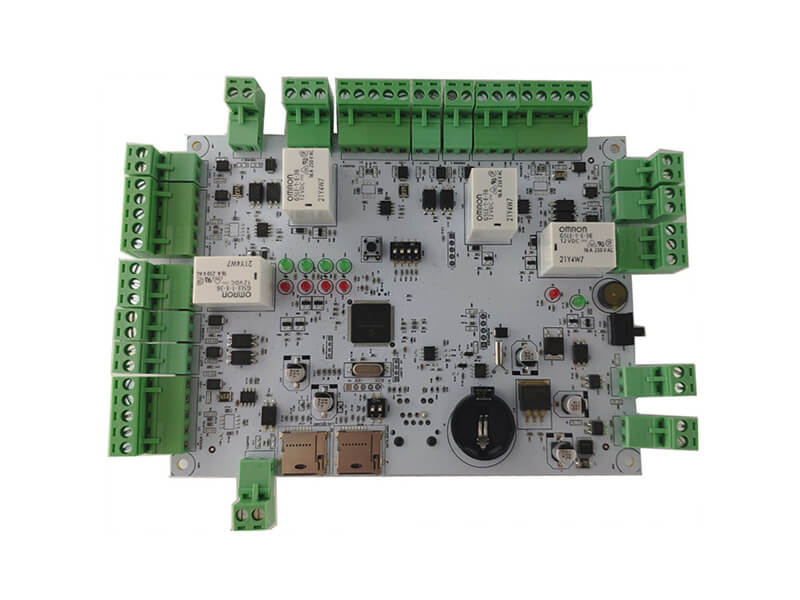
Reflow Profiler Verification: Trusting the Curve You Record A reflow profiler is the instrument that turns an oven into a process. The curve it produces is used to release a product, to defend a decision when a joint fails and to compare one build with another, so the instrument itself…
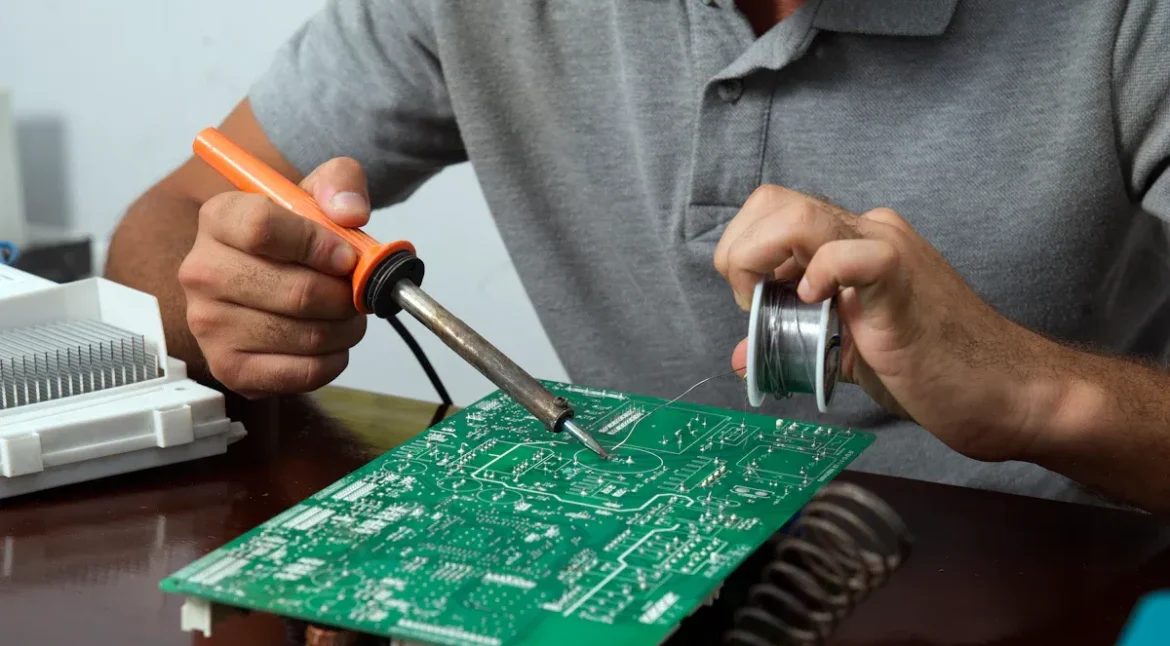
Drill Stack Height: 6 Rules for Stacked Panel Drilling Drill stack height is the total thickness of panels, entry material and backup board that the drill passes through in one hit. It is the main lever for drilling productivity, and it is also the parameter that decides how much the…
Laminate Decomposition Temperature: Setting the Reflow Ceiling The decomposition temperature of a laminate is the point at which the resin begins to break down chemically rather than merely soften. It is the ceiling that every reflow profile has to stay under, and it is a different property from the glass…
V-Score Blade Life: 4 Checks for a Clean Cut A v-score blade cuts a shallow groove on both faces of a panel so that the boards can be snapped apart later. The blade wears as it works, and the depth it produces changes with the wear, which is why blade…
Prepreg Thaw Handling: 4 Rules for the Press Room Prepreg thaw is the controlled warming of material that has been held frozen, and it is the step that stands between the freezer and the layup room. Done properly it is invisible; done badly it puts moisture into a resin system…
Copper Thickness Target: 4 Checks Before Plating Starts A copper thickness target is the number the plating line is asked to hit, and it is rarely the number the designer had in mind. What is specified is usually a minimum, what is measured is an average, and what the bath…
Solder Mask Adhesion: 4 Checks After Curing Solder mask adhesion is the bond between the cured coating and the copper or laminate beneath it, and it is asked to survive more than most coatings. It sees flux, cleaning chemistry, thermal cycling and mechanical handling, all after the panel has left…
Flux Content in Solder Paste: 6 Rules for Checking It Flux content is the proportion of a solder paste that is not metal, and it is the number that decides how the paste behaves on the stencil, how it wets the pad and how much residue it leaves behind. The…
Hole Wall Pull-Away: Why Plated Barrels Separate Hole wall pull-away is a separation between the copper of a plated through hole barrel and the resin wall it was plated onto. The gap may be a few micrometres or more than twenty, and it usually appears after a thermal excursion rather…
Etchback Control for Reliable Plated Through Holes Etchback is the deliberate removal of resin from the wall of a drilled hole so that the copper of the inner layers protrudes slightly into the hole. Plating then wraps around that exposed copper, which produces a connection with more contact area than…