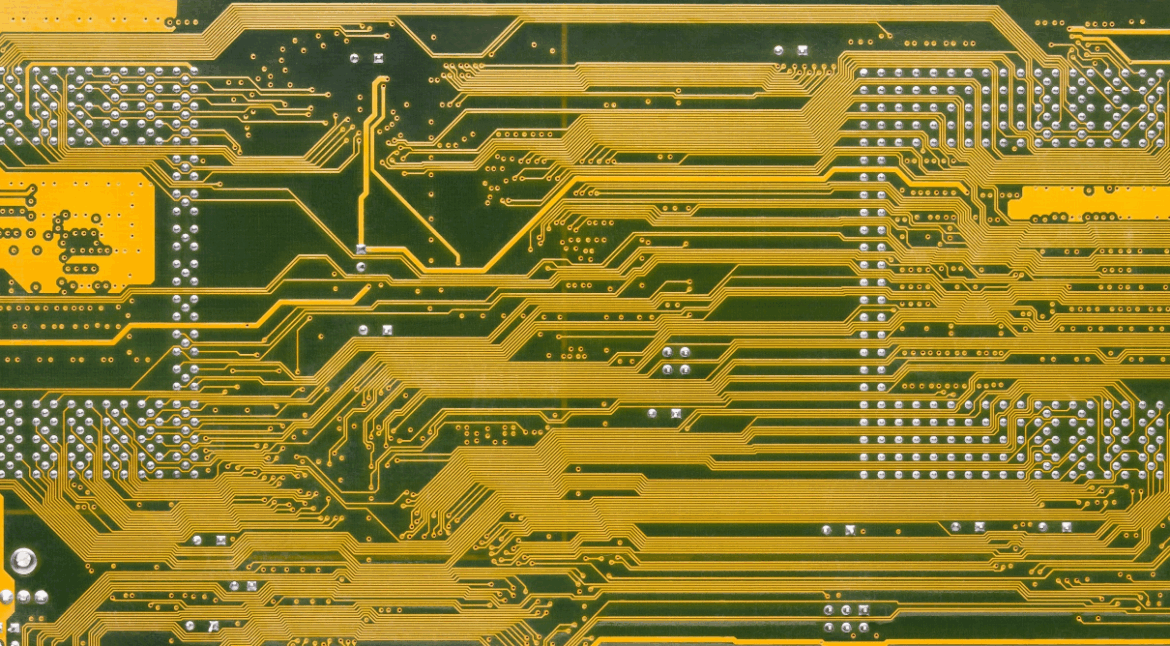
High Speed PCB Design: Where Layout Experience Actually Shows High speed design is not defined by a clock frequency. It is defined by whether the physical path of a signal changes its behaviour, which happens when the rise time is short relative to the length of the interconnect. A slow…
New Product Introduction: Choosing an SMT Assembly Partner New product introduction is the phase in which a design becomes a manufacturable product, and it is usually compressed into a schedule that was written before anyone knew what the problems would be. The supplier chosen for the first build has a…
Mass Production Readiness: Preparing a Hardware Product to Scale A product that works on a bench is not yet a product that can be built a thousand times. The gap between the two is not one big problem; it is a collection of small ones, each of which is cheap…
PCB Fabrication for Pilot Runs: What R&D Teams Should Compare A pilot run is where a design stops being a file and starts being a product. The quantity is small, the schedule is short, and the board has to be good enough to support assembly, test and a customer demonstration.…
Industrial Control PCB Layout: An Outsourcing Review Checklist Industrial control boards are not difficult only because they have many layers. The workload is driven by device density, the number of power domains, the number and type of interfaces, signal speed, mechanical space, isolation requirements, thermal management and the environment the…
Small Batch SMT Assembly: Why Changeover Time Sets the Schedule R&D teams comparing small batch SMT assembly suppliers usually compare price per placement. The number that actually decides whether the batch arrives on time is changeover time: how long the line takes to stop making one product and start making…
Electronic Product Development Partners: Three Models Compared Choosing an electronic product development partner looks like a procurement decision and behaves like an engineering one. The candidates may all be able to draw a schematic, and the difference only becomes visible once the requirements are unclear, the first prototype misbehaves, or…
Multilayer PCB Prototyping: What to Verify Before You Order A prototype is supposed to answer questions. Too often it answers the wrong one, because the board was ordered before the stackup, the finish or the drill structure was confirmed, and the result is a build that cannot distinguish a design…
Industrial Multilayer PCB Fabrication for Small Production Runs Industrial control products are usually built in modest quantities and expected to work for a decade. That combination puts unusual pressure on fabrication: the volume is too low to justify a dedicated program, and the reliability expectation is closer to automotive than…
BOM Kitting and Component Sourcing: The Version Control Trap Most assembly problems that are blamed on the factory start in the bill of materials. A part number that exists in two variants, a footprint that matches the first variant and not the second, an approved alternate that was never written…