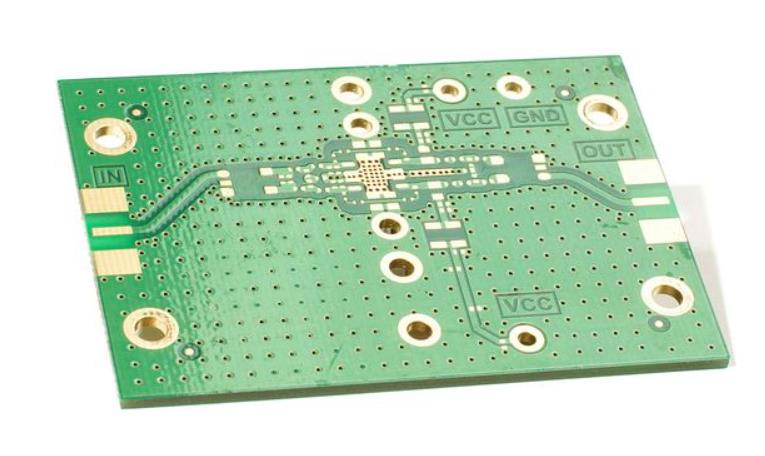
EIS Diagnostics in 26-Channel BMS Chips: PCB Design and Manufacturing On September 2, 2026, Texas Instruments introduced the BQ79826Z-Q1 battery monitor, a device that integrates electrochemical impedance spectroscopy diagnostics directly into a battery management monitoring chip. The part uses a 26-channel architecture, so four devices cover a 104-cell battery stack,…
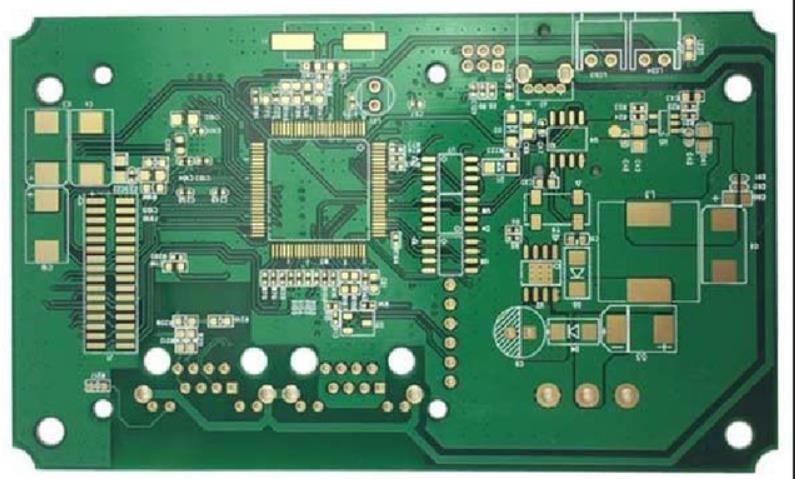
TGV Glass Substrate and Advanced Packaging: PCB Manufacturing Guide The 2026 World Manufacturing Convention, scheduled for September 20 to 23 at the Hefei Binhu International Convention and Exhibition Center, will place automotive supply chain technology and semiconductor manufacturing side by side in a shared exhibition area of roughly 10,000 square…
Multi-Layer FPC Reliability Testing: Standards and Methods As flexible circuits move from six layers to eight, ten and twelve, multi-layer FPC reliability testing stops being a final inspection step and becomes a design input. Thinner dielectric layers, denser microvias and larger differences in expansion between base film and coverlay all…
Ultra-Thin FPC Materials: Base Films and Coverlays Guide An ultra-thin FPC is defined less by its total thickness than by the balance of electrical, mechanical and thermal properties its materials can deliver at that thickness. As wearable devices, foldable phones, medical implants and compact industrial sensors shrink, flexible circuits have…
High Layer Count PCB Lamination and Drilling: Manufacturing Guide A high layer count PCB is no longer a niche product. Boards with 16 to 40 layers now sit at the center of AI server racks, automotive domain controllers, telecom base stations and high-end industrial equipment. As layer counts rise, lamination…
Stackup Symmetry: Keeping a Multilayer Board Flat Most stackup discussions are about impedance, layer count and material. Symmetry rarely comes up until a board comes back bowed, and then it becomes the only thing that matters. A multilayer board is a sandwich of materials with different thermal expansion, pressed under…
Crystal and Oscillator Layout: Rules for a Stable Clock The crystal circuit is a handful of components that takes almost no board area and is responsible for whether the product works at all. A badly placed crystal can fail to start at low temperature, drift enough that a radio will…
Flex Stiffeners: Adding Rigidity Where It Is Needed A stiffener is a piece of rigid material bonded to part of a flexible circuit to stop it flexing where it should not. It is a small addition that solves a large class of problems: a connector that cannot be soldered to…
Gold Fingers on a PCB: Design Rules for Edge Contacts Gold fingers are the plated contacts on the edge of a board that slide into a socket. They are one of the few parts of a circuit board designed for mechanical wear, and they fail for mechanical reasons: worn plating,…
Choosing a PCB Surface Finish: Five Options Compared The surface finish is a thin layer of metal or organic material that protects the copper from oxidation and provides a solderable surface. It is chosen in seconds on most projects and it decides whether the assembly process runs smoothly, how long…