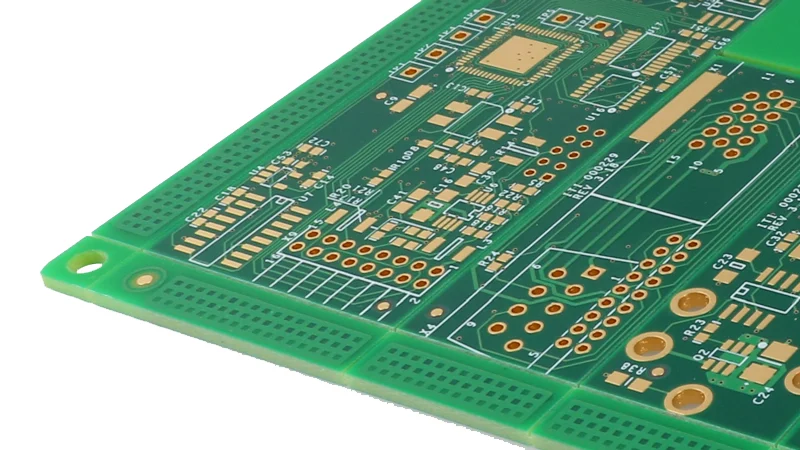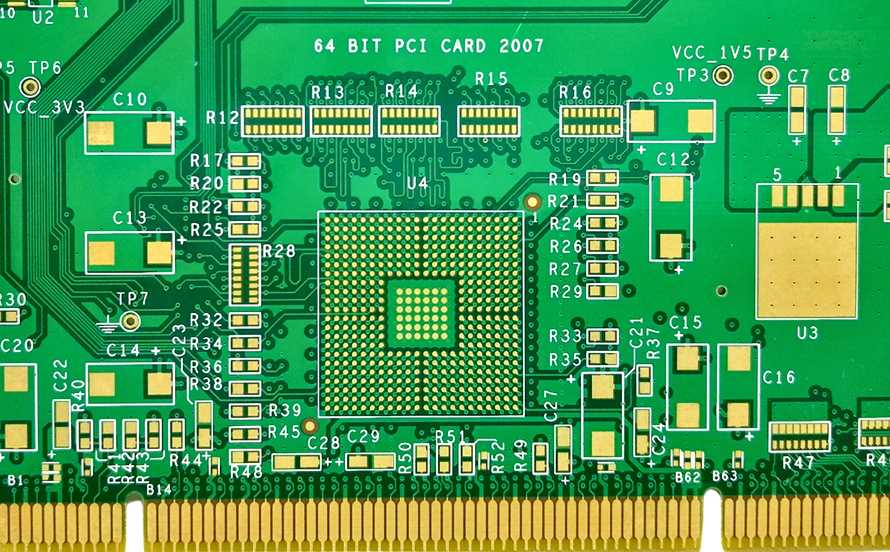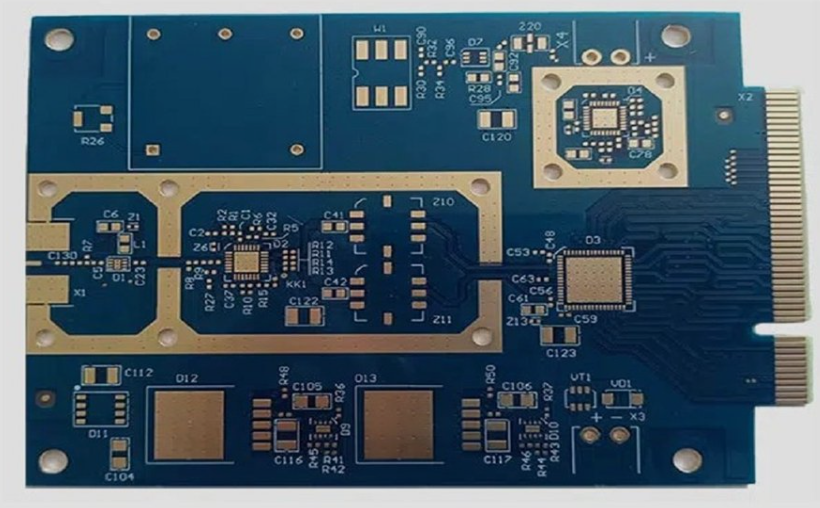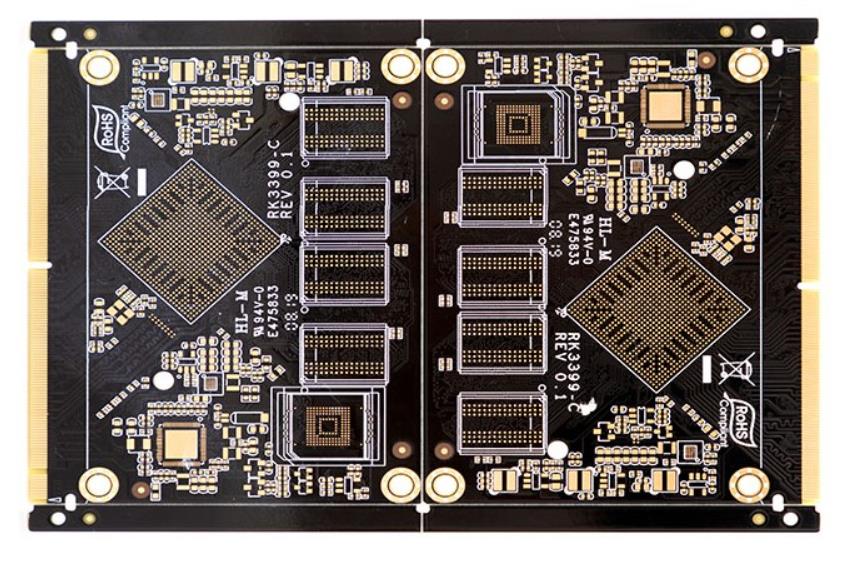
Six Layer PCB Quick Turn: Lead Times, Cost and Stackup The Most Common Multilayer Stack, Delivered Fast Six layers is the point at which a board gains a genuine ground plane, a dedicated power plane and enough routing capacity for real high speed work, without the cost and schedule burden…
Quick Turn Single Layer PCB: Speed, Cost and Design Rules The Oldest Board Technology Still Solving a Modern Problem Single layer boards were the first printed circuit boards and they are still in wide production, because for many circuits they are simply the right answer: one copper layer, components on…
PCB Sample Boards: Types, Materials, Cost and Lead Time The Step Between a Design and a Production Order Every electronic product passes through a stage where the circuit exists as a drawing and a netlist but has never been built. PCB sample boards are how that gap is closed. They…
Graphical PCB Manufacturing for HMI and Control Panels Circuit and Interface on One Board Industrial control equipment, medical devices and consumer electronics have all moved toward interfaces that are easier to read, simpler to operate and visually consistent with a brand. Traditionally those interfaces were delivered with overlays, front films,…
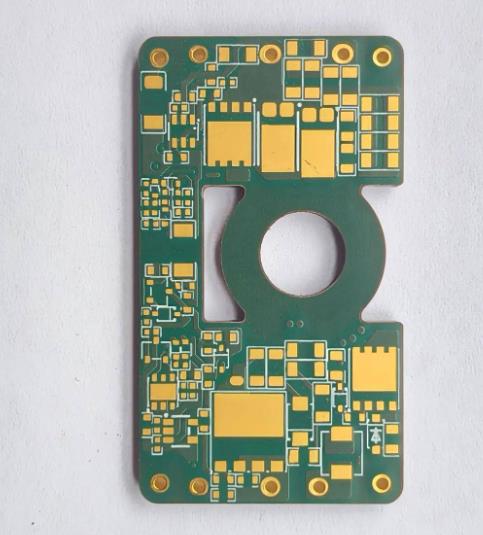
High Power PCB: Copper Weight, Thermal Design and Build A Board That Has to Carry Current, Not Just Signals In power electronics, the circuit board stops being a passive interconnect and becomes part of the power path. It determines how much current can flow without excessive temperature rise, how effectively…
Microwave PCB Materials and Design: A Practical Guide Where Material Behaviour Sets the Limit Microwave circuit boards operate in the range from roughly one gigahertz to thirty gigahertz and beyond. At those frequencies, the electrical behaviour of the board is no longer separable from its physical construction: a small change…
Smart Grid IoT PCB Cost: Structure, Bands and Design Choices Why Two Smart Grid Boards Can Differ in Price by a Factor of Five Utility companies, energy equipment manufacturers and IoT product teams all ask the same question about the hardware inside a smart meter, a distribution automation node, an…
Microvia PCB Technology: Structures, Laser Drilling and Cost The Smallest Hole on the Board Does the Most Work As products have shrunk and their silicon has become denser, the conventional through-hole has become a bottleneck. It occupies routing area on every layer it passes through, it adds stub inductance that…
IPC Class 3 PCB: Specifications, Process and Compliance The Acceptance Standard for Zero Defect Applications In aerospace avionics, medical devices, defence systems, power generation and high performance automotive powertrains, a PCB failure is not a warranty event. It is a safety incident, a mission loss or a regulatory problem. IPC…
Twenty Layer PCB Stackup: Design Rules and When You Need One When Eight or Twelve Layers Are Not Enough Most electronic systems are well served by eight, ten or twelve layer boards. As signal rates rise, integration density increases and systems accumulate more interfaces, the traditional multilayer stack reaches a…