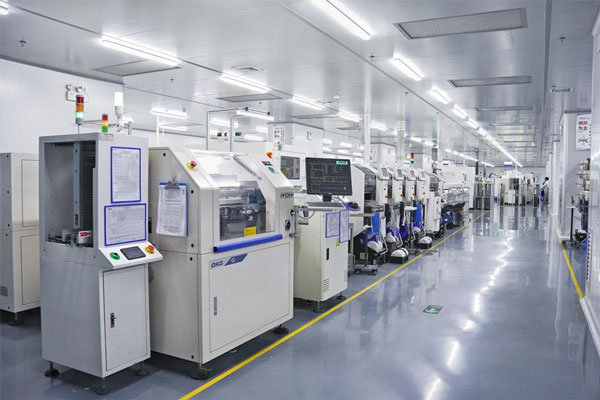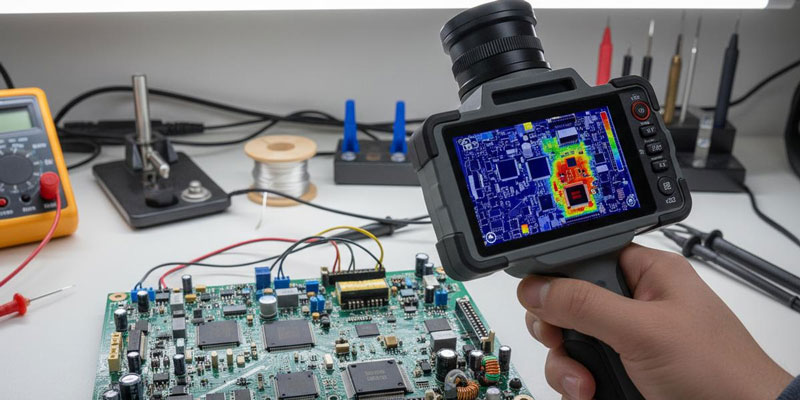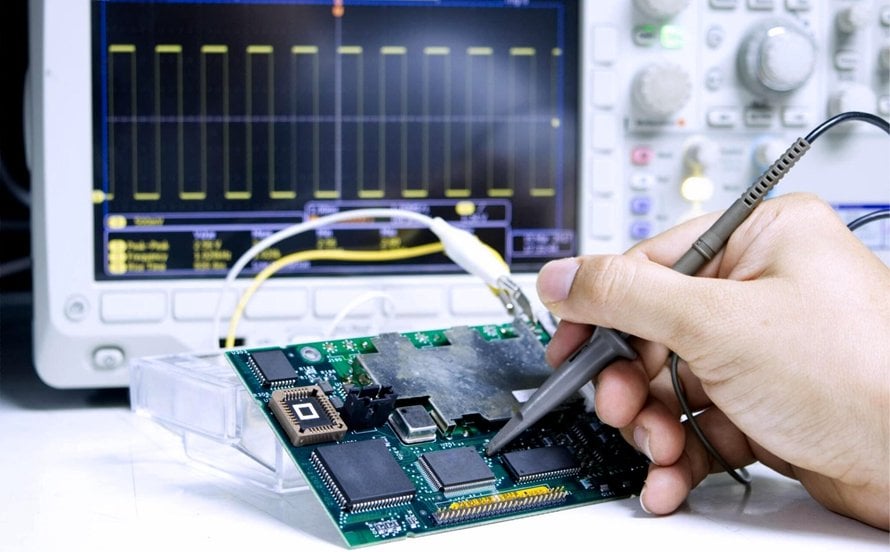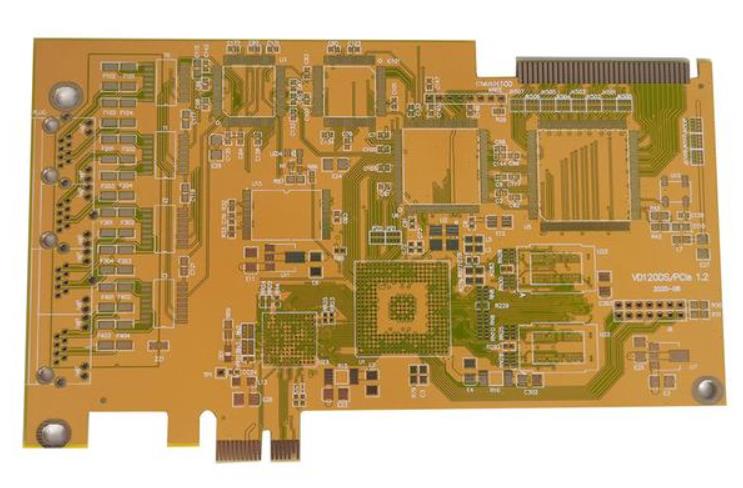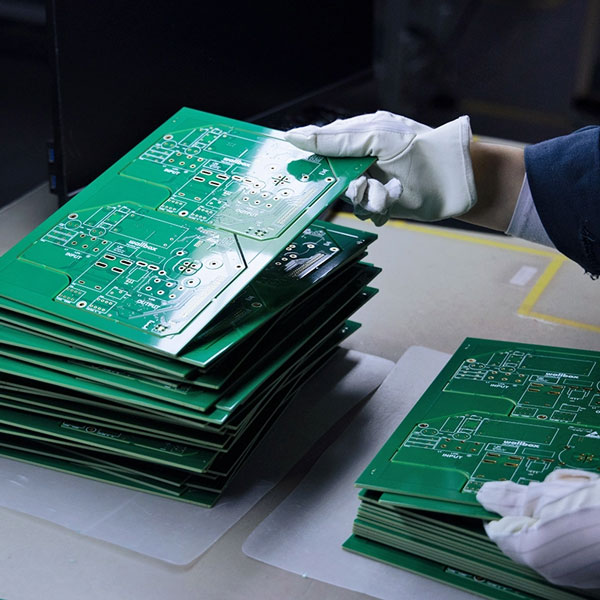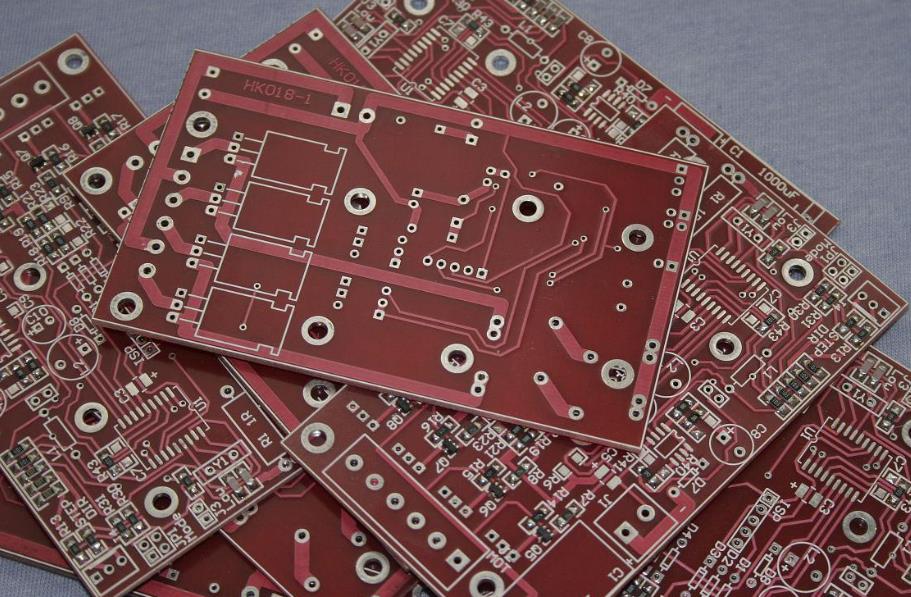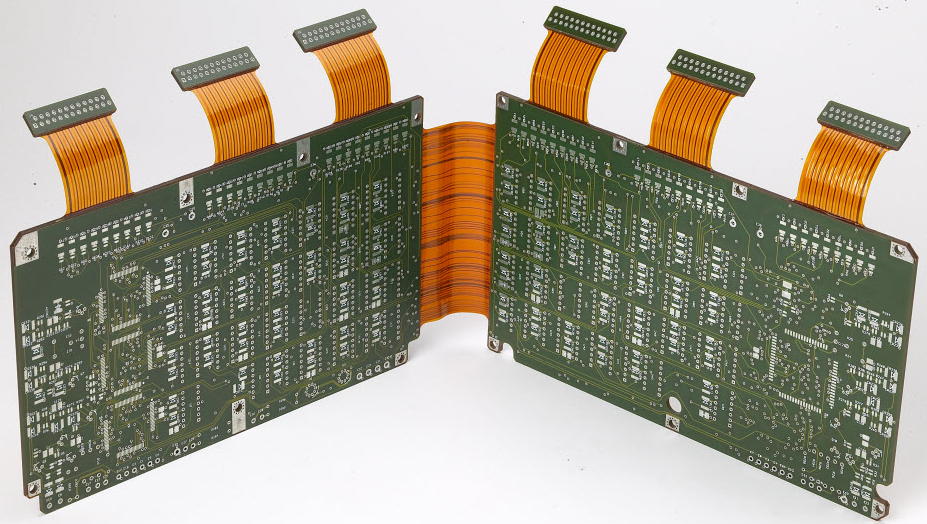
PCB Manufacturer vs Trader: How to Tell Them Apart The Two Roles When a buyer places an order for printed circuit boards, the company taking the order is not always the company making the boards. A manufacturer owns the plant, the process and the engineering team, and the boards are…
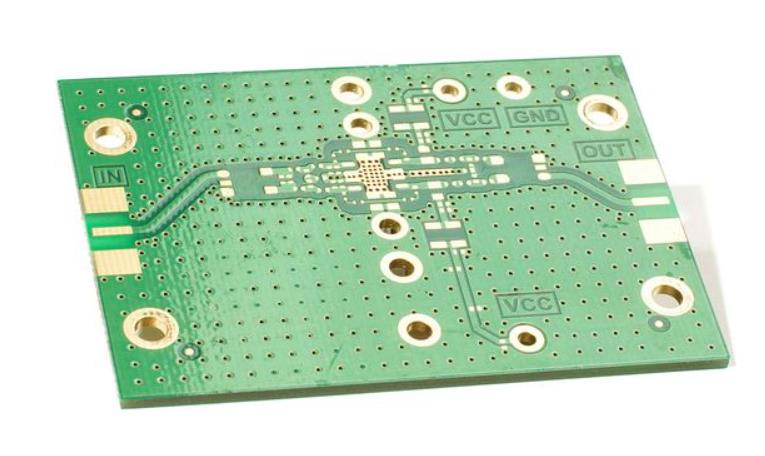
Design for Testability: DFT Rules for PCB Assembly What Design for Testability Means Design for testability is the practice of making a board easy to verify, so that a fault introduced during manufacture is found before the product leaves the factory rather than by the customer. It is a design…
PCB vs PWB: What the Terms Mean and Why It Matters Two Terms for One Object The two abbreviations describe the same physical object, a board with conductors and features that carry signals and power, but they come from two different traditions and they carry slightly different meanings. A printed…
Portable Power Station PCBA: Design Guide What the Board Set Does A portable power station is a battery, an inverter and a set of converters in a case with a handle. The electronics accept energy from the mains, from a solar panel and from a car outlet, store it in…
China vs India PCB Manufacturing: A Practical Comparison Why the Comparison Comes Up Almost every hardware programme that sources printed circuit boards in Asia considers both countries, and the decision is rarely about price alone. China is the largest producer of printed circuit boards in the world and hosts the…
FFC vs FPC: How to Choose a Flexible Circuit The Two Families Flexible interconnects are grouped under two names that are often used interchangeably and are not the same thing. A flat flexible cable, or FFC, is a set of parallel round or flat conductors laminated between two thin plastic…
DDR3 vs DDR4 PCB: Routing and Stack-Up Differences Why the Memory Interface Sets the Board The DRAM interface is usually the fastest parallel bus on a board, and it is the one that decides the layer count, the stack-up and much of the routing budget. It is also unforgiving: a…
Rogers RO4003C: High Frequency Laminate Guide What RO4003C Is RO4003C is a high frequency laminate made from a ceramic filled hydrocarbon thermoset resin reinforced with woven glass. It is not a PTFE based material, and that is the point: it delivers a low, stable dielectric constant and a low loss…
Wearable PCB: Design, Materials and Manufacturing What Makes a Wearable Board Different A wearable board is a small electronic product that is worn on the body, and the constraint that dominates it is not the circuit. It is the combination of a very small volume, a very small battery, a…
Rogers RT/duroid 5880: PTFE Laminate Guide What RT/duroid 5880 Is RT/duroid 5880 is a polytetrafluoroethylene composite reinforced with randomly oriented micro glass fibres. Its reputation comes from two published numbers: a dielectric constant of approximately 2.2 and a loss tangent of about 0.0009 at ten gigahertz, both of which stay…