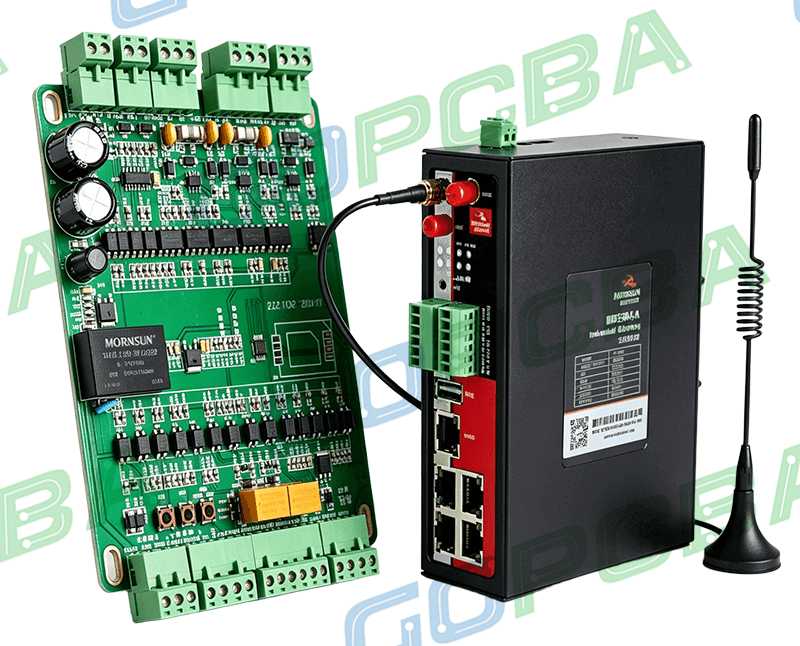
Device Programming and Firmware Loading Programming Is a Production Step A programmable device is empty until it is loaded, and the loading is a production operation with the same risk of error as any other. The wrong file, the wrong version or a device that failed to program can produce…
Depaneling Methods and Their Defects Why Depaneling Matters The panel has to be separated into boards after assembly, and the separation applies a mechanical stress to the assembly. That stress can crack a solder joint, chip a component, crack a laminate or delaminate a layer, and the damage may not…
Press-Fit Connectors and Compliant Pins What a Press-Fit Connection Is A press-fit connector is inserted into a plated hole whose diameter is slightly smaller than the pin’s compliant section, and the deformation of the pin against the plating creates a gas tight, cold welded connection. No solder is used, so…
Component Adhesives and Staking Why Bond a Component Adhesive is used on an assembly for several reasons: to hold a component during a wave soldering operation, to stop a heavy component moving under vibration, to reduce the load on a solder joint, to seal a component against moisture and to…
Conformal Coating Inspection and Coverage Why Inspection Is Difficult A coating is transparent or translucent, it follows the geometry of the board and it covers exactly the features that make the board recognisable. Verifying that it is present, of the right thickness and in the right places is therefore harder…
Conformal Coating Application Methods What the Method Decides The coating material provides the protection, but the application method decides whether it is actually where it is needed. A material applied by hand can be thicker in one area and absent in another; a dipping process covers everything including the parts…
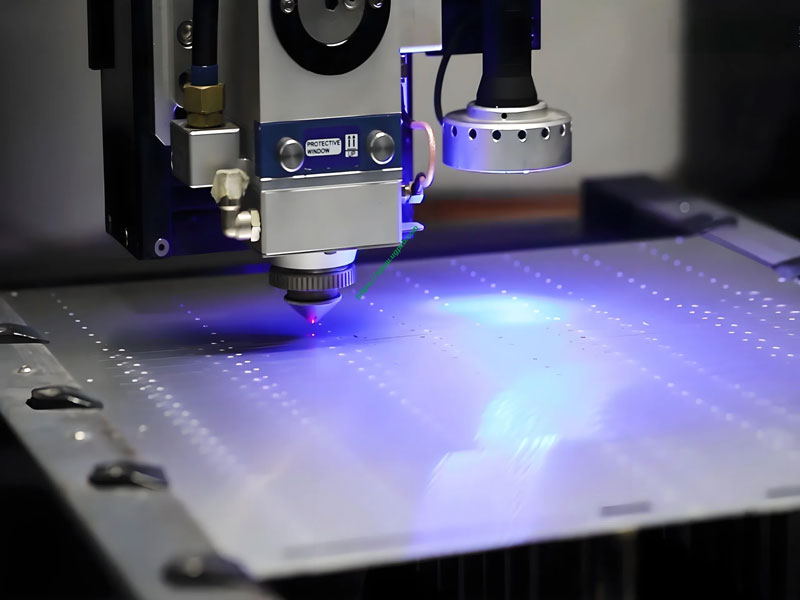
Laser Soldering for Sensitive Assemblies The Idea Behind Laser Soldering Laser soldering delivers energy to a single joint with a focused beam, so the heat is applied where it is needed and the rest of the assembly stays cool. The advantage is not speed, because the process is usually slower…
Hot Bar Soldering and Thermode Bonding What Hot Bar Soldering Is Hot bar soldering uses a heated bar, called a thermode, pressed onto a row of joints to reflow them all at once. It is used where the joints cannot be reached by reflow, such as a flex cable bonded…
Squeegee Selection and Wear What the Squeegee Does The squeegee is the blade that rolls the paste across the stencil and presses it into the apertures. The deposit’s volume and its uniformity depend on how the blade behaves: how it deforms under pressure, how it meets the stencil’s surface and…
Solder Paste Selection for Assembly What Paste Selection Decides The paste is the material that becomes the joint, and its selection decides the printing behaviour, the reflow window, the residue and the joint’s properties. It is usually chosen once, early, and then treated as fixed, which is why a poor…