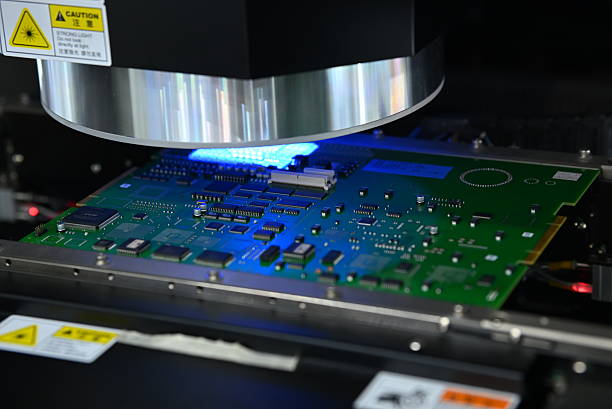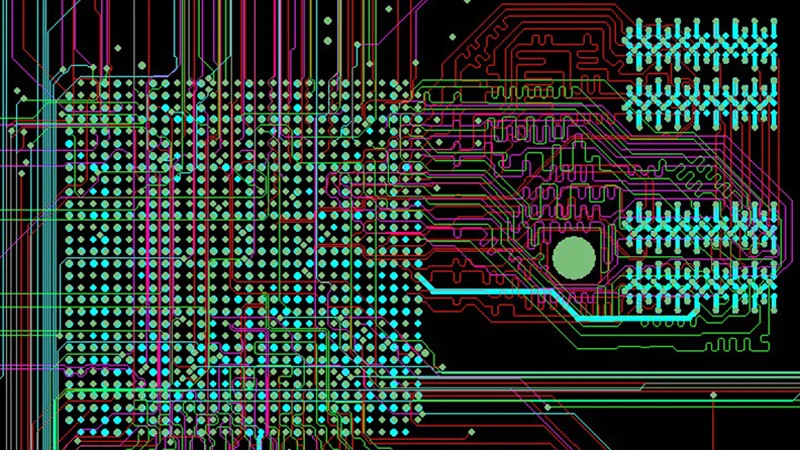
Solder Paste Inspection and Deposit Volume What SPI Measures Solder paste inspection measures the paste that has just been printed, before any component is placed. A laser or camera system scans the board and reports the volume, area, height and position of every deposit, comparing each against the stencil’s intent.…
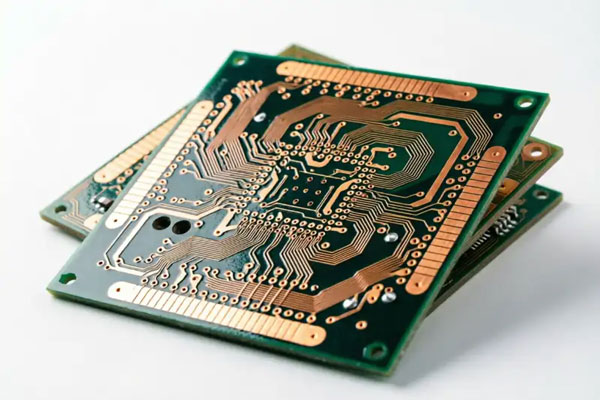
Automated Optical Inspection in SMT What AOI Does Automated optical inspection uses a camera and software to compare what is on the board with what the program expects. It checks that each component is present, that it is in the right position and orientation, that the solder joints have the…
Feeder Setup and Verification on SMT Lines Why Feeders Cause So Many Defects Most wrong part defects and a large share of placement defects begin at the feeder. The tape and the reel carry the components, the feeder presents them to the nozzle, and a number of things can go…
Nozzle Selection for Pick and Place The Nozzle Is the Interface The nozzle is the only part of a placement machine that touches the product, and it decides whether the component is picked reliably, held in the right orientation and placed without damage. A machine with an excellent vision system…
Paste Print Defects and Their Causes The Print Is the Process Paste printing is the step that places the material, and every defect it produces is carried through reflow into the joint. A print defect cannot be corrected later, because the oven will melt whatever is on the pad. This…
Cold Solder Joints and Poor Wetting Two Different Defects A cold joint and a poorly wetted joint are often described as one problem, and they are not. A cold joint has not reached a temperature sufficient to melt the alloy properly, so the solder is grainy, dull and mechanically weak.…
Voiding in Solder Joints What a Void Is A void is a pocket of gas trapped inside a solder joint. It forms because the flux volatilises during reflow, because the surfaces release moisture or contamination, or because air is entrapped in the paste when it is printed or dispensed. The…
Tombstoning and Placement Defects What Tombstoning Looks Like A tombstoned component stands on one end, with one termination soldered to its pad and the other lifted clear, like a headstone. It is common on small passive components, where the mass is low and the imbalance is easy to create, and…
Solder Bridging: Causes and Cures What a Bridge Is A bridge is a continuous connection of solder between two features that should be isolated. It can form between adjacent pads, between the pins of a connector, between a component termination and a nearby track, or between a ball and its…
BGA Rework and Reballing Why BGA Rework Is Different An area array package cannot be soldered with an iron. The joints are underneath the body, so the only way to make or break them is to heat the whole package until the alloy melts, using a machine that controls the…