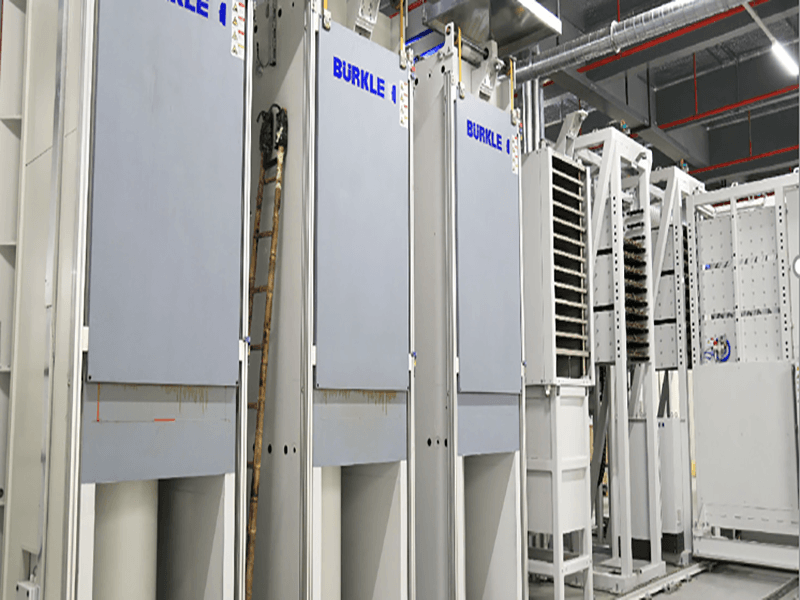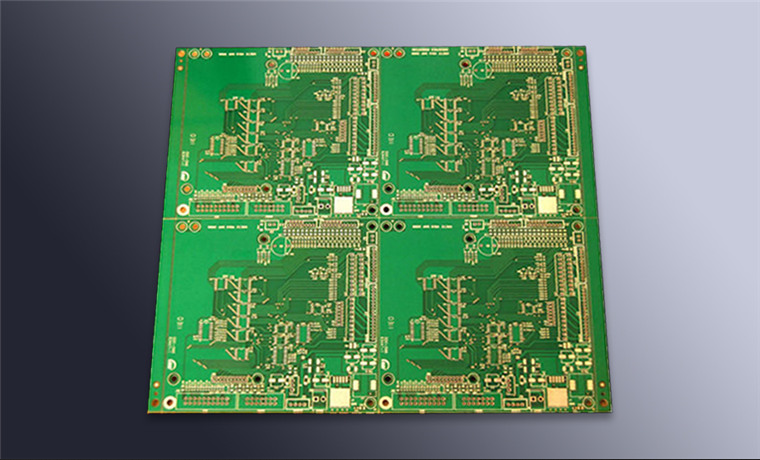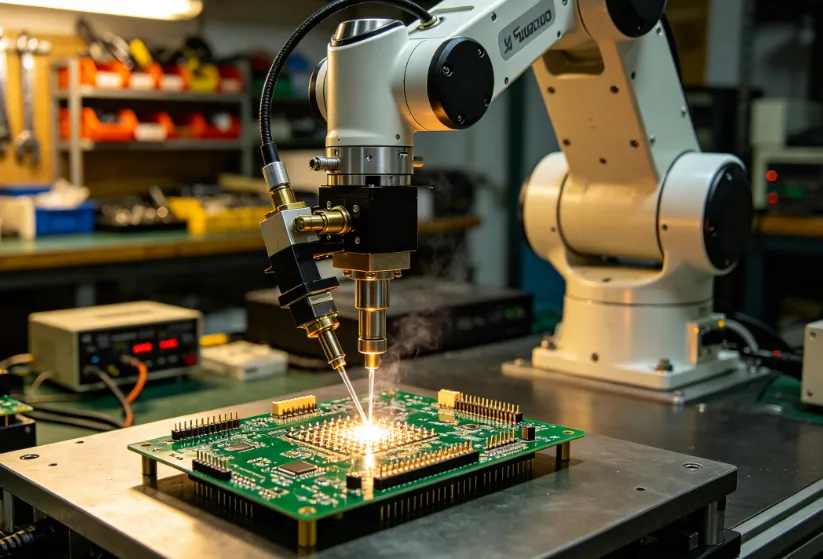
Release Film in PCB Lamination: Reuse and Handling Release film sits between the press plate and the board stack, and its job is to let the two part cleanly after the cycle. It also carries the surface texture that the press plate would otherwise print onto the laminate, and it…
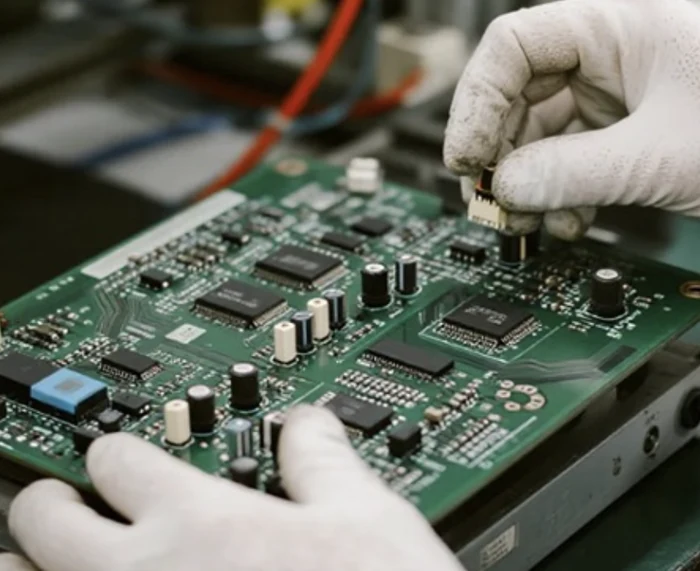
Ozone Treatment: Plating Bath and Rinse Water Control Ozone treatment is an oxidation step that uses dissolved ozone gas instead of a liquid oxidant, and in a plating shop it is used in two places. It breaks down organic material carried in rinse water, and it destroys the organics that…
Anode Life Tracking in Plating Tanks Anode life is the number of ampere hours a basket or a bar can deliver before it has to be pulled, and tracking it turns anode changes from a reaction into a plan. A tank that still looks full can be close to the…
Cooling Tower Control for Plating and Etch Lines A cooling tower removes heat from the water circuits that serve rectifiers, heat exchangers, chillers and etch lines, and it does so by evaporating a small part of the water it circulates. That evaporation is the whole mechanism, and it also explains…
Fab Chemical Shelf Life: Labels, Dates and Stock Shelf life is the period a chemical can be kept before its performance is no longer guaranteed, and in a PCB fabrication shop it is quoted on the label, in the certificate and in the process specification. The dates matter because plating,…
Plating Bath Chemical Addition: Sequence and Make-Up Chemical addition is the routine of topping up a plating bath, and it is one of the few operations where the order of the steps changes the result. The same chemicals added in a different sequence can produce a cloudy bath, a precipitated…
Stencil Frame Tension: Mesh, Glue and Print Quality Frame tension is the force holding the mesh taut inside a stencil frame, and it is the property that keeps the stencil flat against the board through a print stroke. A frame that has lost tension still looks correct on a bench,…
Laser Depaneling: Heat, Char and Edge Quality Laser depaneling cuts a panel into single boards with a focused beam instead of a router bit, and it does so without mechanical stress on the edge. That is its main advantage for thin boards, for dense assemblies and for shapes that a…
Solder Paste Waste: Expiry, Return and Disposal Solder paste waste is the material that cannot be printed again, and it is produced on every shift: expired jars, paste left on the stencil, paste returned from the squeegee and paste contaminated by the board. It is a small fraction of consumption…
Electroless Accelerator: Strength, Rinse and Control The accelerator is the step that follows the palladium catalyst in an electroless plating line, and its job is to remove the tin that surrounds the palladium so that the catalyst can actually work. Without it, the surface carries palladium that is buried inside…