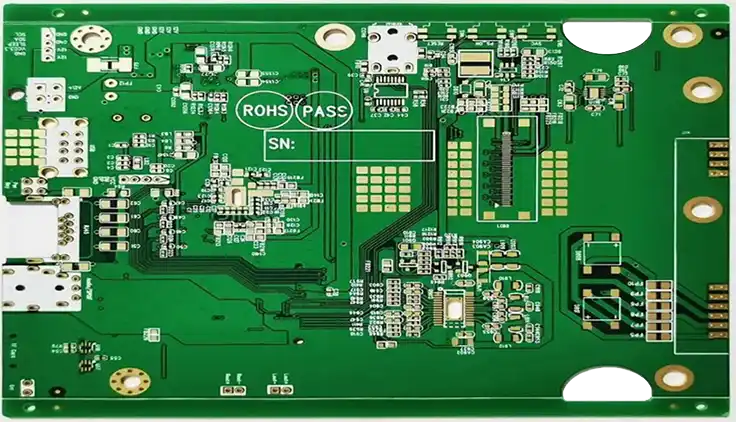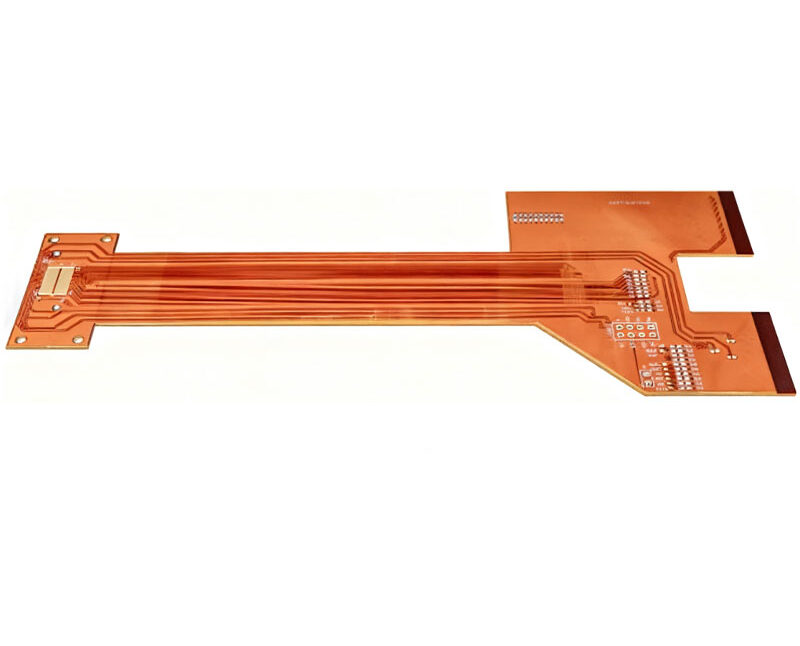
Brown Oxide Before Lamination: Control Points That Matter Brown oxide is the conversion coating grown on inner layer copper before lamination so that the resin has something to grip. Bare copper bonds weakly to prepreg, while an oxide layer with a needle like crystal structure gives the resin a mechanical…

Convection Reflow Oven Zones: 7 Settings That Decide Results Convection reflow moves hot gas across a board until the solder paste melts, wets and solidifies. The oven is divided into zones, each with its own set point, so the board passes through a sequence of temperatures rather than a single…
Component Tape Splicing: 6 Rules for a Safe Splice Component tape splicing joins the end of a spent reel to the start of a new one so the line keeps running while the feeder stays loaded. The joint travels through the feeder at the same speed as the pockets around…
Pink Ring on ENIG Boards: 5 Causes and Fixes A pink ring is a band of exposed copper around a drilled hole on an ENIG board, revealed when the gold and the nickel are removed during sectioning or after a chemical strip. The copper shows its natural colour instead of…
Paste Tack After Printing: 5 Open Time Rules Paste tack is the stickiness that holds a placed component on its printed deposit until the board reaches reflow. It is not the same property as viscosity, and it is not the same as wetting, but it decides whether an assembly survives…
Stencil Foil Thickness: 100 vs 120 Micrometre Foils Stencil foil thickness is the single largest lever on deposit volume, because the aperture area is fixed by the pad while the height is set by the foil. Move from a 120 micrometre foil to a 100 micrometre foil on the same…
X-Out Panels: How to Mark, Count and Ship Them An x-out panel is a fabrication panel that still contains one or more good boards plus at least one board that failed test or inspection. The bad position is marked so that nobody mistakes it for good material, and the panel…
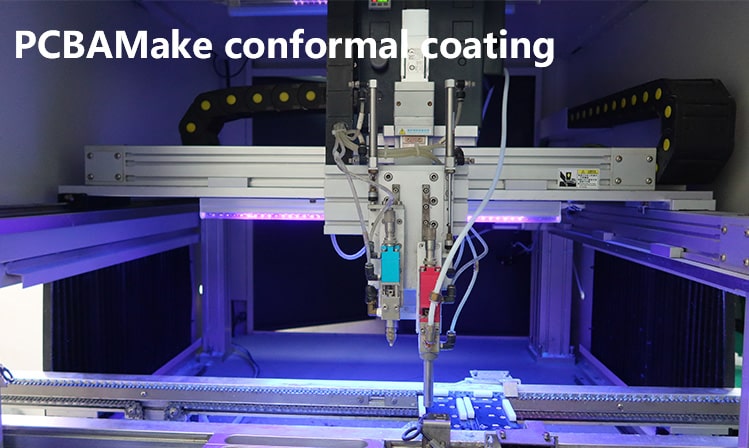
Conformal Coating Masking: 6 Accuracy Checks Before Spray Conformal coating masking decides where the coating is allowed to land, and it is done by hand. Every connector, test point, mating surface and adjustment screw needs protection, and the protection has to survive the spray, the cure and the removal without…
Stencil Tension on the SMT Line: 6 Checks That Keep Prints Clean Stencil tension is the force that holds a stainless foil flat inside its frame, and it is the property that lets the foil snap away from the board as the squeegee passes. A tight stencil returns to plane…
Deionized Water Rinsing on a PCB Line: 7 Control Points Deionized water is the rinse medium on almost every wet stage of PCB fabrication, from etch to plating to solder mask development. It carries no dissolved ions of its own, so it can draw salts and chemistry residues off the…