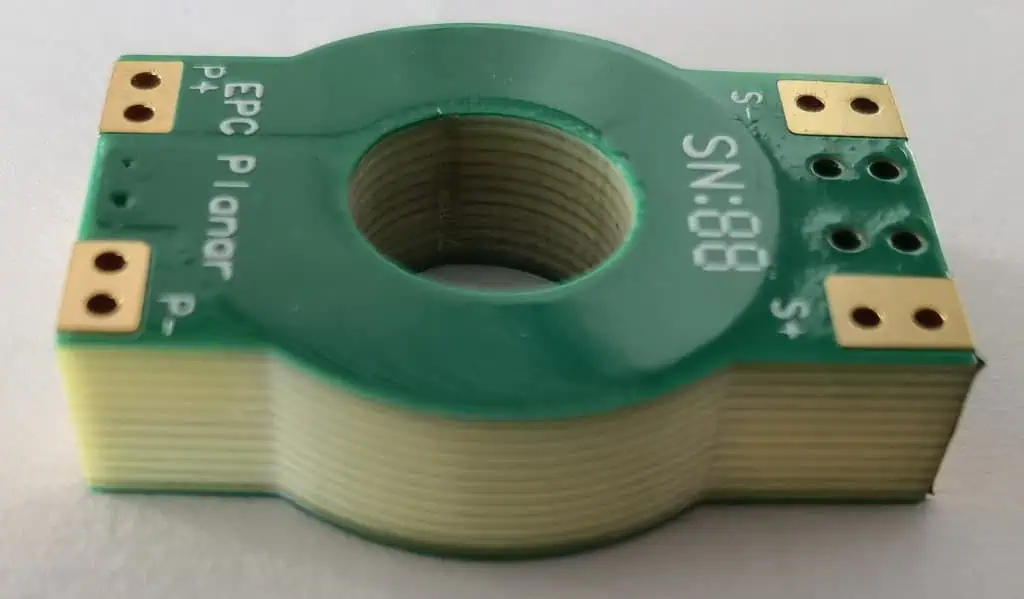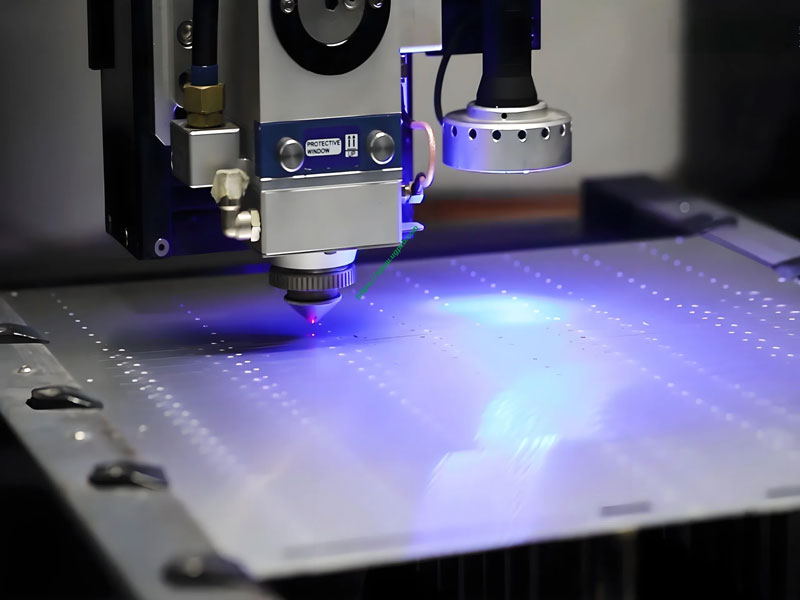
Component Baking: Design Rules and Process Limits Component baking is a controlled process, not a recovery step, and the record of it is what makes the difference between a part that was dried and a part that was merely warmed. Without a written record of temperature, duration and cycle count,…
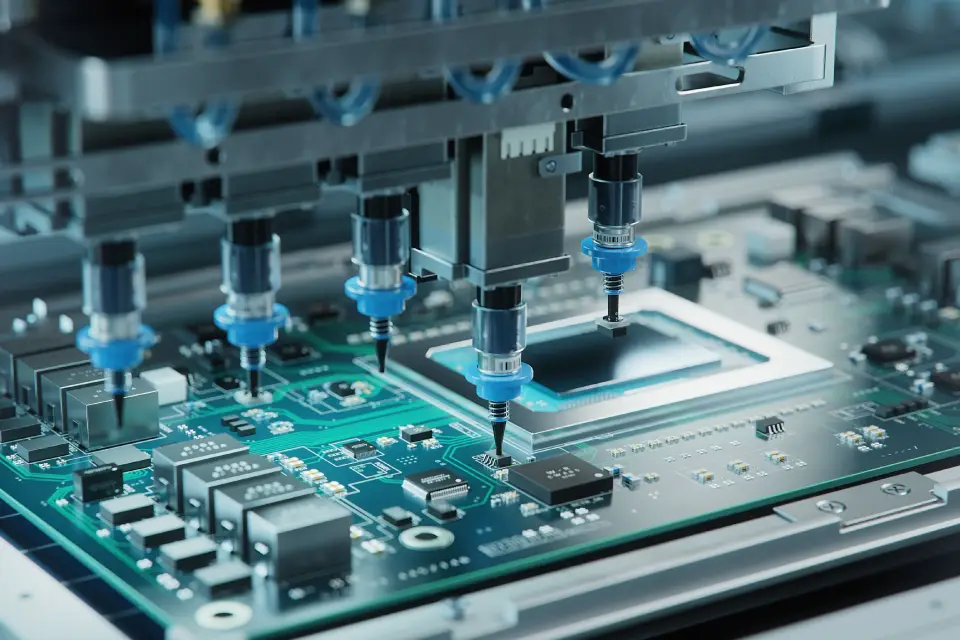
ICT Fixture Probe Pressure: Spring Force, Wear and Contact Resistance An in circuit test result is only as good as the electrical contact that produced it. Probe pressure, tip geometry and fixture flatness together decide whether the measurement describes the board or the interface, and a marginal contact is the…
PCB Routing Edge Burr Control: Cut Quality, Dust and Delamination Depaneling by pcb routing removes material with a rotating cutter rather than a shearing blade, which gives a clean profile but also produces burrs, dust and local heating. The quality of that cut depends on the bit, the feed rate…
Selective Solder Nozzle Maintenance: Wear, Dross and Nitrogen Control Selective soldering delivers molten solder through a small travelling nozzle rather than a standing wave, so every property of that selective solder nozzle is repeated hundreds of times per panel. Because the nozzle is both the delivery tool and part of…
Threaded Fasteners on PCBA: Torque Control and Damage Limits A screw is a controlled force applied through a small area, and on a board the area under the head is laminate, copper or a component. Torque that is right for the metal thread can still crush the laminate, and a…
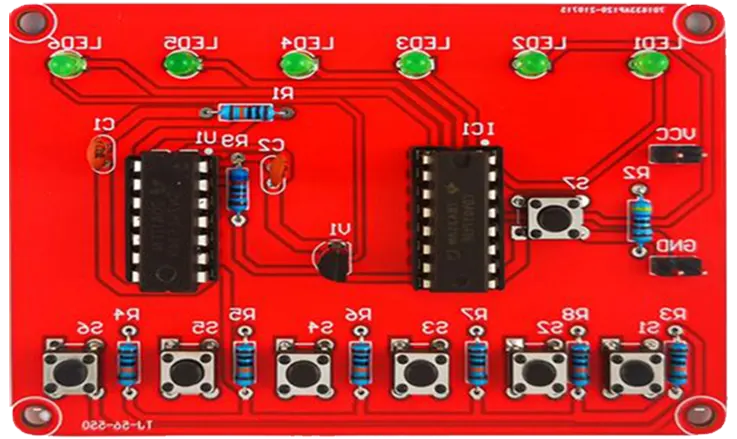
LED Assembly: Reflow Limits and Thermal Control An LED assembly combines an ordinary reflow process with a package that has a silicone lens on top and a thermal pad underneath, and both impose constraints the rest of the board does not have. The joint has to form without damaging the…
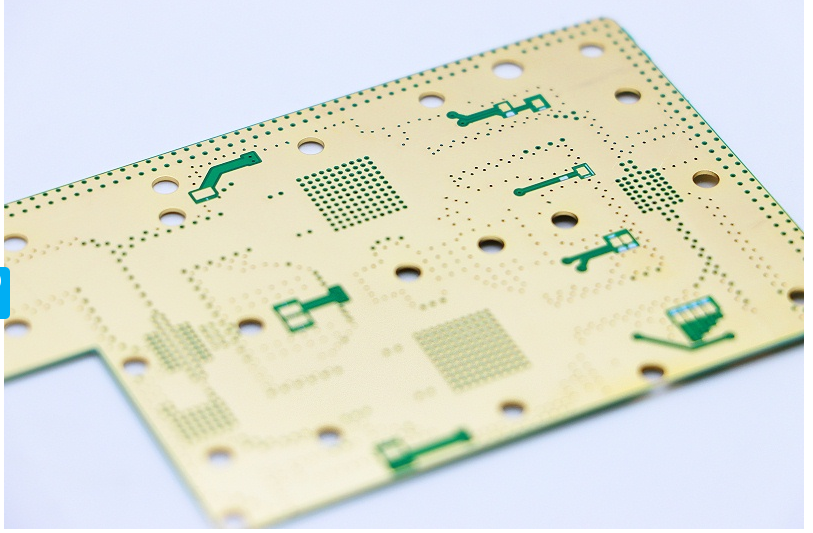
Tooling Holes and Panel Design for Automated Assembly A tooling hole is the reference the whole line uses, and the panel it sits in is the carrier that gets the boards through every machine. If the holes are undersized, poorly positioned or placed in a rail that flexes, every fixture…
Insufficient Solder: Tracing the Volume Shortfall Insufficient solder is a symptom with at least five distinct causes, and the diagnosis is a matter of measuring in the right order. The defect looks the same whether the paste volume never arrived, whether it was lost before melting, or whether it melted…
Exhaust: Preparation, Placement and Process Control An oven that reflows thousands of boards a week also distils the flux from every one of them. The volatiles leave the paste, travel through the tunnel and land somewhere: on a cooler surface as condensation, in the exhaust duct, or on the next…
Electrical Test: Flying Probe Versus Bed of Nails Electrical test is the step that proves the nets are connected as the design intended and are not connected to anything they should not be. Two methods do most of that work: the bed of nails, which contacts every point at once…