Underfill Flow and Cure Control for Area Array Packages Underfill is a filled epoxy that flows by capillary flow into the gap under an area array package and then cures to a rigid layer that shares the stress between the package and the board. It is applied after reflow and…
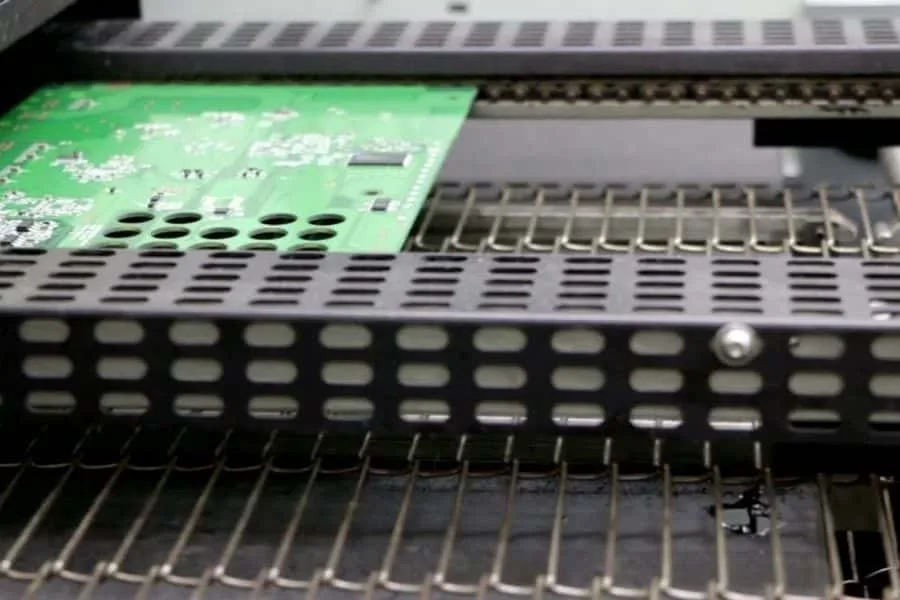
Vapor Phase Reflow: Process Control and Fluid Management Vapor phase reflow heats a board by condensing a boiling fluid onto it, which makes the heat transfer both fast and uniform regardless of the mass of the parts. The peak is fixed by the boiling point of the fluid rather than…
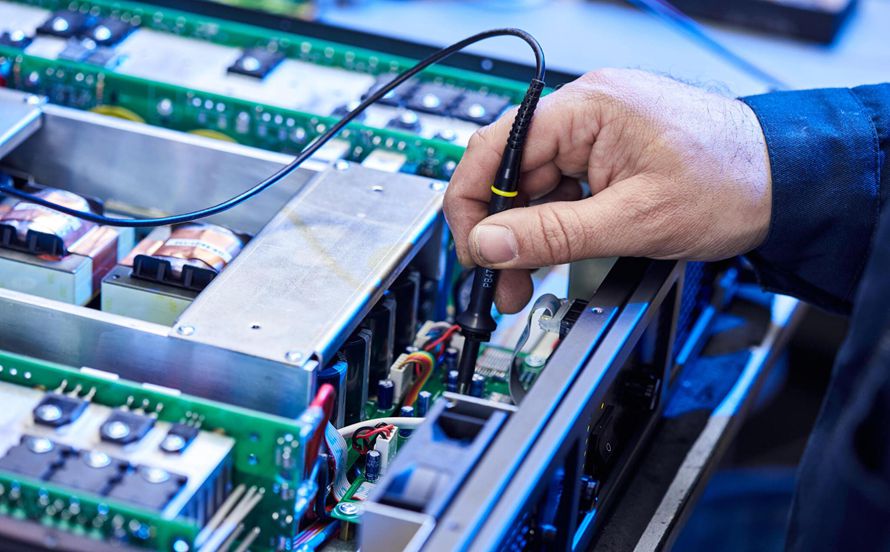
Board Handling: Gloves, Contact and Contamination Control A fingerprint is a chemical event, not a cosmetic one. Skin deposits salts, oils and acids on whatever it touches, and on a copper surface those deposits interfere with wetting, on a coated assembly they interfere with adhesion, and on a high-impedance net…
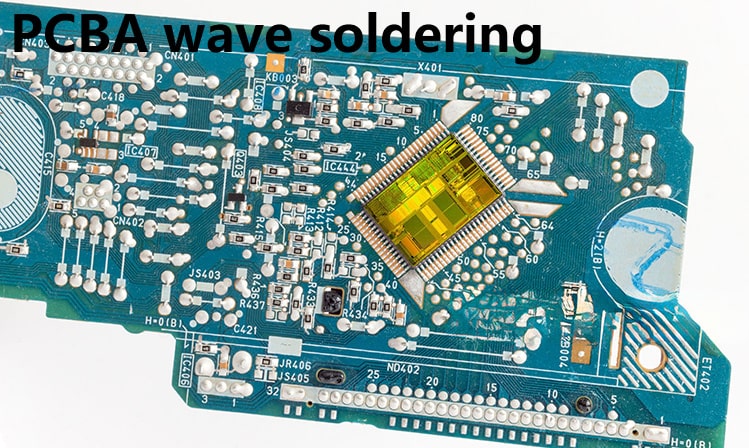
Wave Solder Preheat: Getting Flux Activation Right Preheat is where the flux either does its job or is consumed without doing it. The boards leave the preheat zones with a topside temperature that determines how the flux behaves at the wave, how much thermal shock the assembly sees and how…
Entry Material and Exit Material: Drill Hole Quality Control The entry material on top of a drill stack and the exit material beneath it look like packaging, and they are actually process tools. They control the burr on the copper, the nailheading in the laminate and the heat that the…
Fine-Pitch Bridging: Causes and Corrective Steps Bridging between adjacent leads is the classic fine pitch defect, and it is almost always a volume problem rather than a spacing problem. Molten solder pulls itself apart when the volume is right for the gap, so a bridge means either too much metal…
Tombstoning: Why Chip Components Stand Up Tombstoning is a chip component that has stood up on one end during reflow, held vertically by the surface tension of a single molten joint. The mechanism is a balance of torques at the two ends, and it is decided before the board reaches…
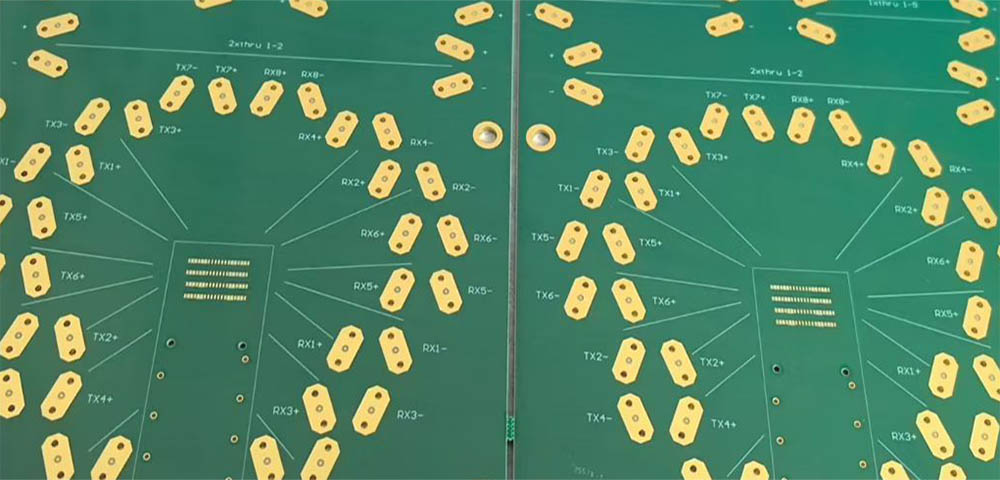
Component Footprint Design: Pad Extension and Toe Fillet A footprint is not a drawing of a component; it is a prescription for a joint, and the numbers that matter are the ones that decide how much solder becomes the toe fillet. Two libraries built for the same part can produce…
Board-Level Shield Frames: Attach and Grounding Control A board-level shield frame is a stamped metal fence soldered around a circuit block, and it has to do two jobs at once: form a continuous mechanical joint and provide a low-impedance grounding connection at every point along its length. Both depend on…
Package on Package Assembly: Warpage and Flux Dipping Package on package assembly stacks one component on another, so the joints that matter are hidden between two bodies that both change shape as they heat. The dominant problem is warpage, and the standard countermeasure is flux dipping, which replaces the printed…