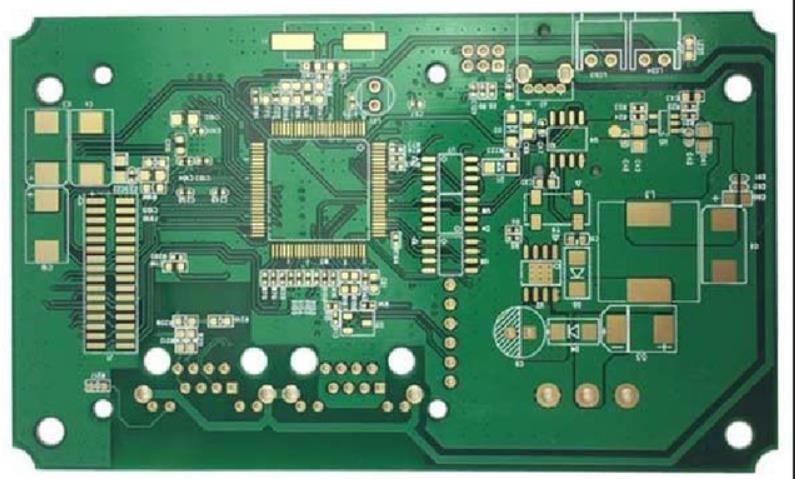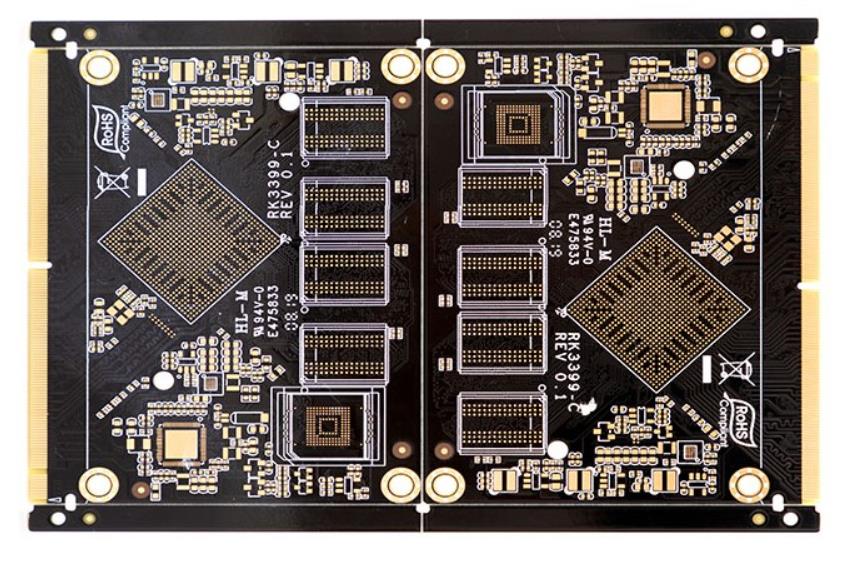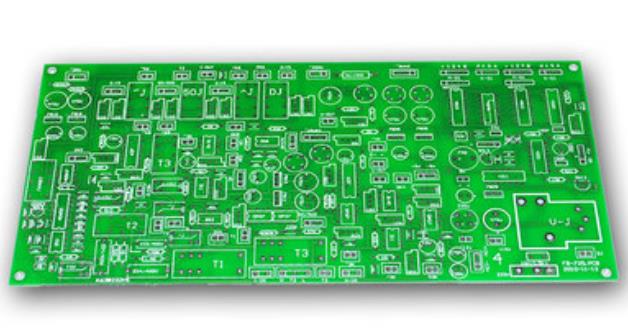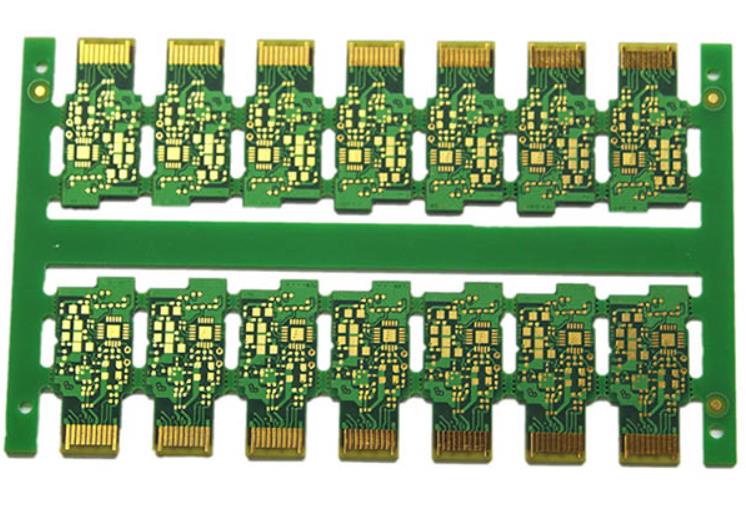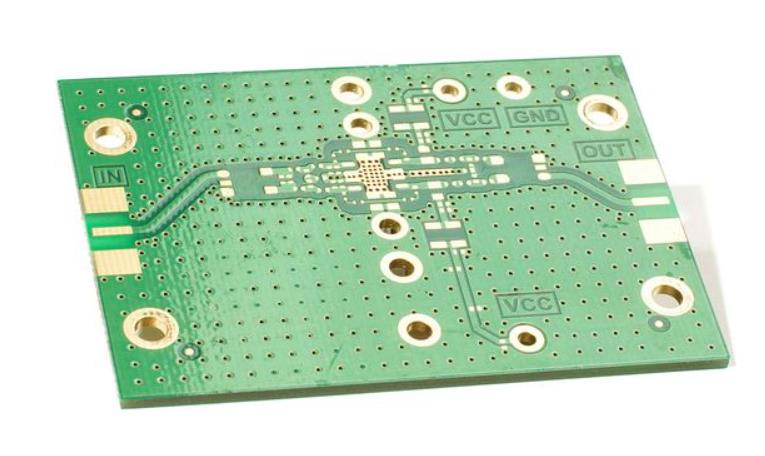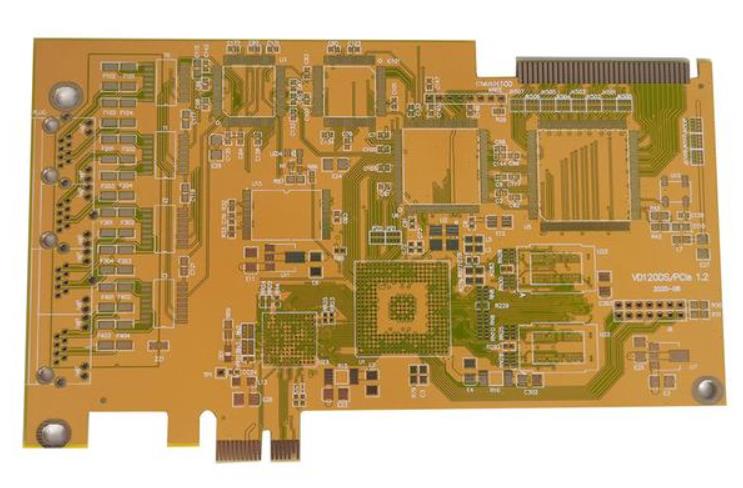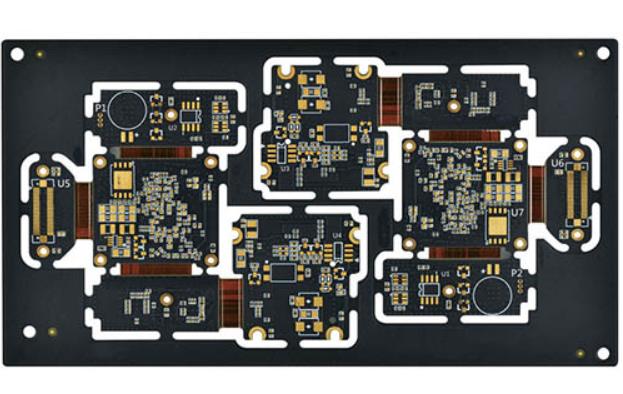
SMT Prototype Assembly Requirements: Proofing Guide SMT prototype assembly requirements ensure that a proofing board is assembled correctly the first time. In the electronics industry, printed circuit boards are used as the mechanical and electrical base for almost every circuit. The prototype must verify both the design and the manufacturing…
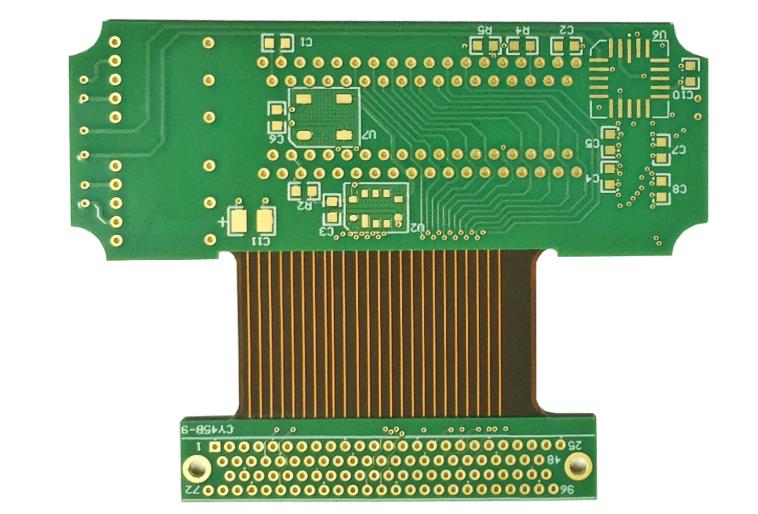
RF Switch Module PCB Design: VXI and Layout Guide RF switch module PCB design must combine high-frequency circuit layout with reliable digital control. Modern wireless communication, mobile communication, radar, and satellite systems require switches with high speed, high power capacity, and high integration. A well-designed module can be controlled by…
Flying Probe PCBA Testing: System and Process Guide Flying probe PCBA testing is an electrical test method that moves small probes to each test point instead of using a fixed bed-of-nails fixture. It is an improvement of the online needle bed tester and is especially useful for prototypes, low-volume boards,…
PCBA Functional Testing: Principles and Process Guide PCBA functional testing verifies that the assembled circuit board works according to its design requirements. Inspection technologies such as AOI, X-ray, and in-circuit testing can find soldering and component defects, but they cannot prove that the complete board system operates correctly. Functional test…
SMT Component Rework: Chip Removal and Soldering Guide SMT component rework is the process of removing a defective or misplaced surface mount component and soldering a new part in its place. Chip resistors, capacitors, and inductors are commonly referred to as surface mount chip assemblies. Rework is simple when the…
SMT PCB Design Process: Schematic to Layout Guide The SMT PCB design process takes an electronic circuit from a schematic diagram to a finished board that can be manufactured and assembled. The process includes circuit design, PCB file creation, board planning, component layout, routing rules, and output generation. A clear…
PCB Reflow Warpage Prevention: Bending Control Guide PCB reflow warpage prevention is necessary because the board must remain flat while it is heated, soldered, and cooled inside the reflow oven. During SMT assembly, the PCB can bend or warp when it is exposed to the high temperature of reflow soldering.…
SMT PCB Assembly Terms: BOM, DIP, SMT and SMD Guide SMT PCB assembly terms such as BOM, DIP, SMT, and SMD are used in almost every electronics manufacturing document. A customer who understands these terms can communicate more clearly with the PCB assembly factory, review the process, and check the…
SMT Component Selection Guide for PCB Assembly SMT component selection is one of the first and most important steps in PCB design. The component package determines how the part is placed, soldered, inspected, and tested. A well-chosen package saves PCB area, improves reliability, and makes the assembly process easier to…
SMT Chip Thrust Test and Assembly Strength Guide The SMT chip thrust test measures the adhesion strength and soldering fastness of surface mount components on a PCB. It is also called a shear test. The test applies a controlled force to the side of a component until the solder joint…