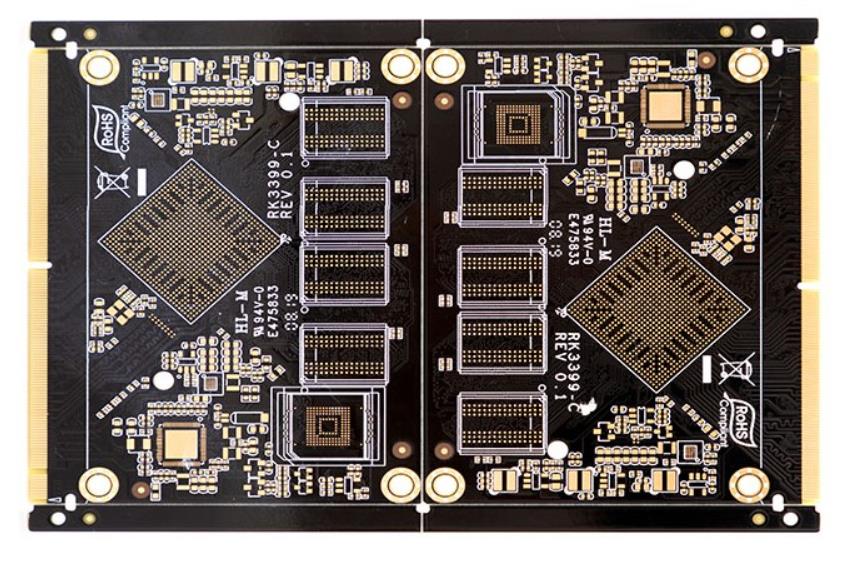
Any-Layer HDI PCB Cost Guide for 2026 Builds Any-layer HDI boards cost more than standard multilayer boards because the design uses laser microvias, sequential build-up, fine lines, and dense interconnects. Phones, wearables, automotive modules, and high-performance computing products gain real routing freedom from this technology. The factory pays for that…
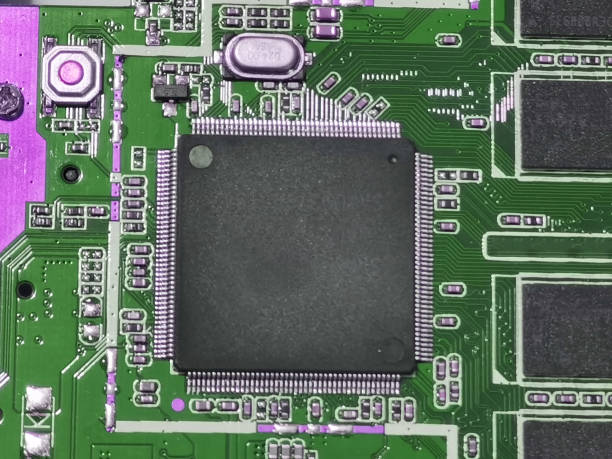
Online vs Offline AOI Inspection in PCB Assembly Automated optical inspection sits at the point where placement and soldering quality become visible. The choice between an inline system and a standalone station shapes how fast a defect is caught and who reviews it. Online AOI runs inside the SMT line…
SMT to DIP Quality Control in PCB Assembly Quality in PCB assembly is built step by step, not inspected in at the end. A placement error during SMT or an incomplete solder joint during DIP can cause electrical failures, rework, and field returns. A reliable process therefore needs control from…
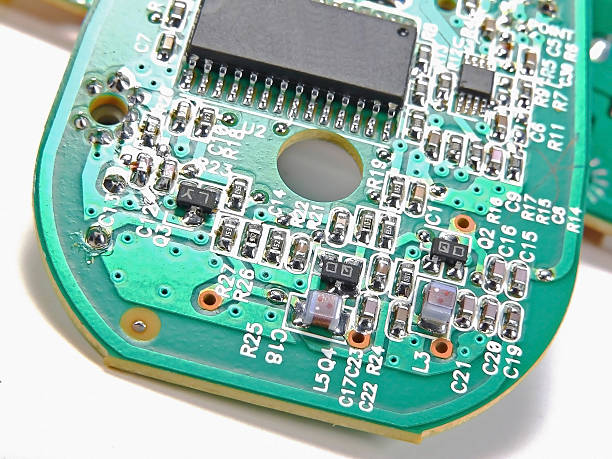
PCBA Soldering Problems: 6 Common Causes and Solutions Poor wetting shows up as an open circuit, a weak joint, or an intermittent connection that fails in the field. The defect rarely comes from one source. Pad design, component condition, solder paste, thermal profile, equipment accuracy, and cleaning all influence joint…
Lead-Free Soldering in PCBA: Process Control Guide Lead-free soldering is now the default for most commercial electronics, yet the alloy change is the smallest part of the job. The real work sits in thermal profiles, material compatibility and inspection discipline. A board that passes at one supplier can fail at…
PCBA Production vs SMT Assembly: Key Differences Buyers often use PCBA production and SMT assembly as if they mean the same thing. They do not. SMT assembly is one stage that places surface-mount parts on solder pads. PCBA production is the wider workflow that delivers a tested assembly. The distinction…
Wave Soldering vs Selective Soldering: Which Is Best? The choice between wave soldering and selective soldering shapes yield, cost and thermal risk on every through-hole build. Both processes use molten solder to form electrical and mechanical joints. They differ in how much of the board sees heat and how precisely…
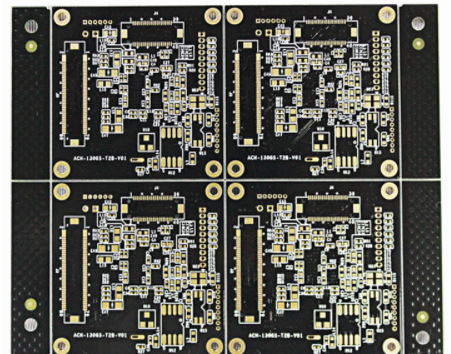
Gerber Files for PCB Manufacturing and Assembly Gerber files carry the copper shapes, mask openings, legend and outline that a fabricator needs to build a board. They are not a design archive. They are a manufacturing instruction set, and every layer must be present and correct before tooling starts. A…
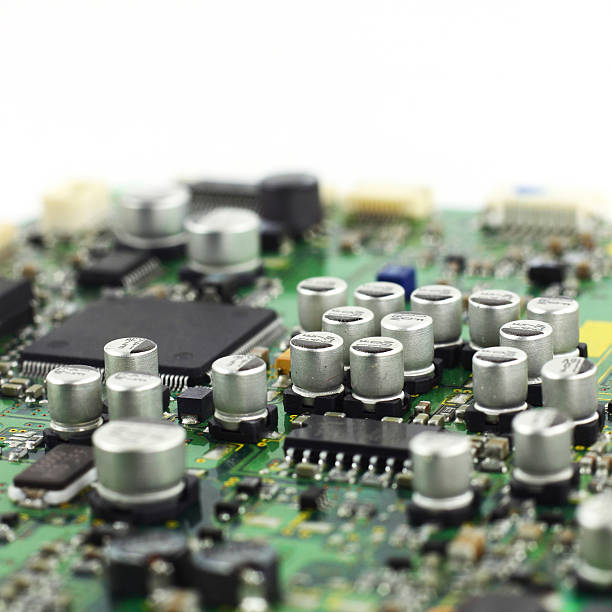
Through-Hole PCB Assembly: Key Processes and Controls Through-hole assembly still carries the parts that must survive vibration, heat, and repeated handling. Connectors, relays, transformers, and electrolytic capacitors often depend on a lead that passes through the board and is soldered on the far side. That mechanical anchor is the reason…
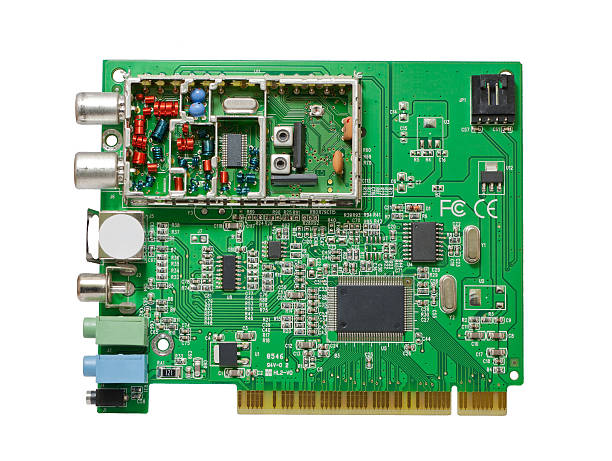
PCBA Mainboard Explained: Key Components and Assembly A PCBA mainboard is a bare PCB populated with components that work as one system. Its reliability depends on how materials, layout, parts and process steps interact. A single drift in paste volume or reflow profile can turn a good design into scrap.…