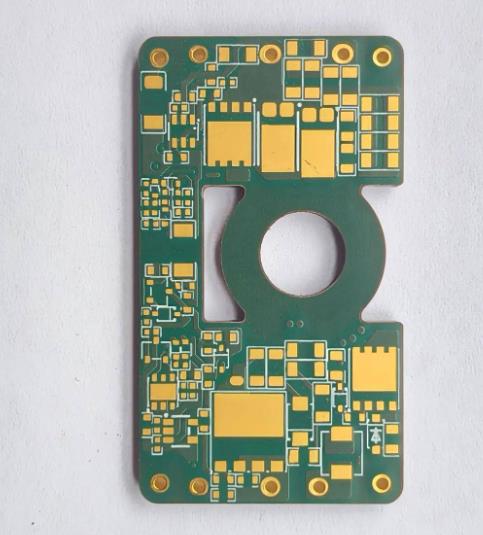
Why Power Circuits Need Heavy Copper Current flowing through a conductor produces heat based on the resistance of the copper path. Increasing copper thickness increases the cross-sectional area of the trace, reduces resistance, and allows the board to carry more current with lower temperature rise. A thick copper power…
reening and Preparation High frequency production usually starts with laminates such as Rogers, Taconic, hydrocarbon ceramic, or PTFE-based materials. Each material has a different dielectric constant, dissipation factor, coefficient of thermal expansion, and machining behavior. A professional high frequency PCB processing line verifies material parameters, controls storage conditions, and prepares…
What a Multilayer High Frequency PCB Manufacturer Should Master High frequency multilayer boards place unusual demands on every production step. Dielectric thickness must stay uniform, copper surfaces need low roughness, and each layer must maintain tight dimensional stability during lamination. A capable manufacturer reviews the stackup before tooling, checks…
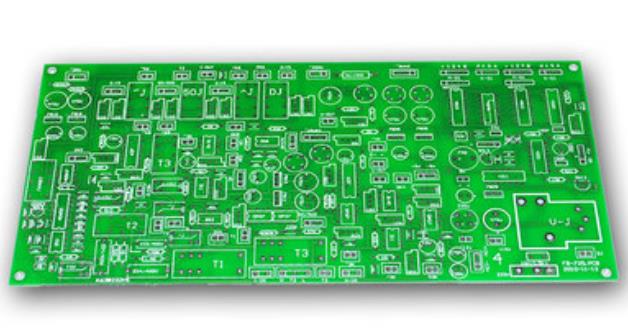
Multilayer PCB Customization: Design Rules and Manufacturing Guide A custom multilayer PCB can greatly improve circuit density, signal quality, and electromagnetic performance compared with a simple single-sided or double-sided board. Successful customization requires careful planning across design, material selection, stackup, routing, and manufacturing. This guide explains the important decisions and…
Communication Module PCB Guide: Materials, Design, and Reliability A communication module seems small, but its circuit board must coordinate RF transceivers, baseband processors, power management, and interface components. A communication module PCB is the physical foundation of that system, providing stable impedance, clean power, and dependable assembly quality across temperature…
Industrial Data Acquisition PCB Guide: Design and Manufacturing Essentials Industrial automation depends on accurate, reliable data collection. An industrial data acquisition PCB sits at the edge of that system, converting physical signals from sensors into stable digital information that controllers and monitoring software can use. Although the board itself does…
Automotive PCB Supplier Guide: Capabilities, Quality, and Service Automotive electronics are moving quickly toward intelligence and electrification. The automotive PCB inside each control unit must work reliably through vibration, temperature swings, moisture, oil, and dust for many years. That makes the choice of an automotive PCB supplier one of the…
automotive LED PCB : Thermal & Design Guide | gopcb Automotive lighting is moving quickly from halogen and HID lamps to LED systems because LEDs deliver better efficiency, faster response, and more flexible light design. Behind every reliable LED headlamp, taillight, and interior lamp is an automotive LED PCB that…
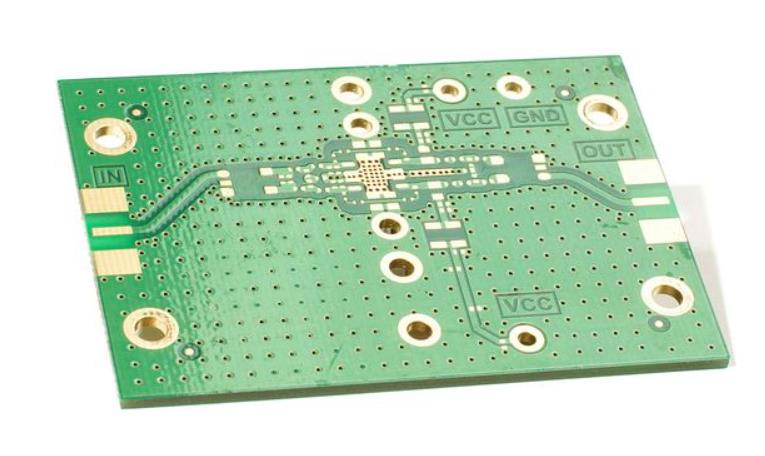
high frequency hybrid PCB: Materials, Applications & Benefits | gopcb As 5G networks expand, automotive radar systems mature, and IoT devices multiply, electronic systems require faster signal transmission with lower loss. A high-frequency hybrid PCB answers this demand by combining different dielectric materials on one board, allowing designers to balance…
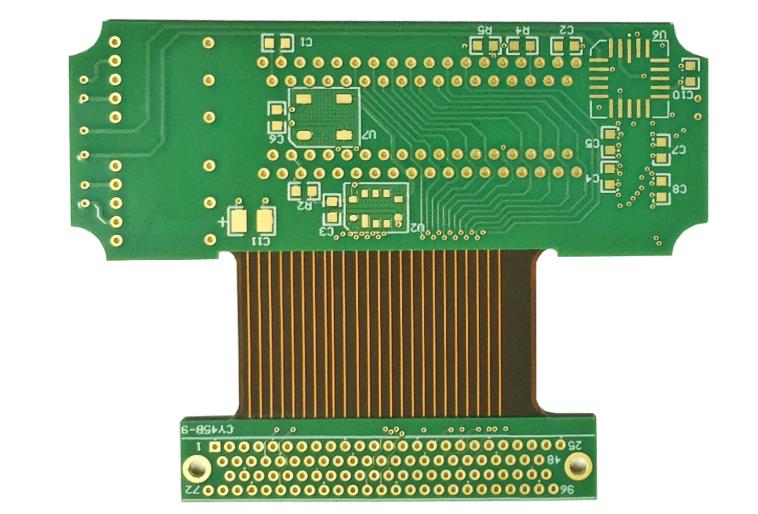
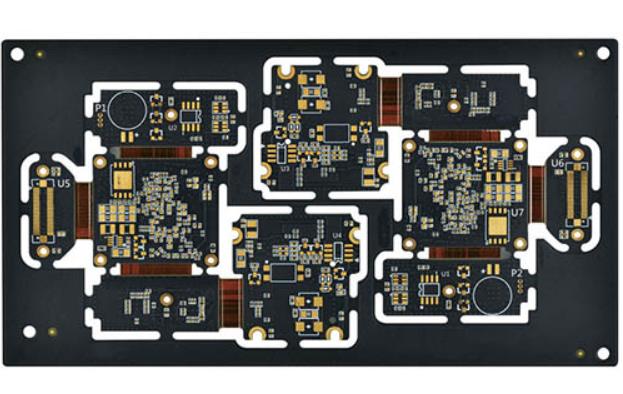
FPC vs PCB: Key Differences You Should Know Flexible printed circuits and rigid PCBs are both important carriers for electronic circuits, but they are designed for very different situations. Although each one connects components and transmits signals, the two technologies differ in material, structure, mechanical performance, manufacturing process, application, and…