Multilayer PCB Prototype Cost: Price Factors and Budget A multilayer prototype sits between a finished design and a committed production order. Its cost decides how many design iterations a team can afford before the schedule closes. The quoted price is not one number pulled from a table. It comes from…
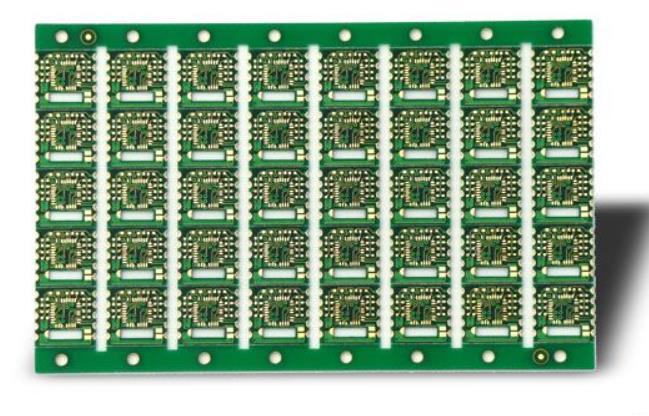
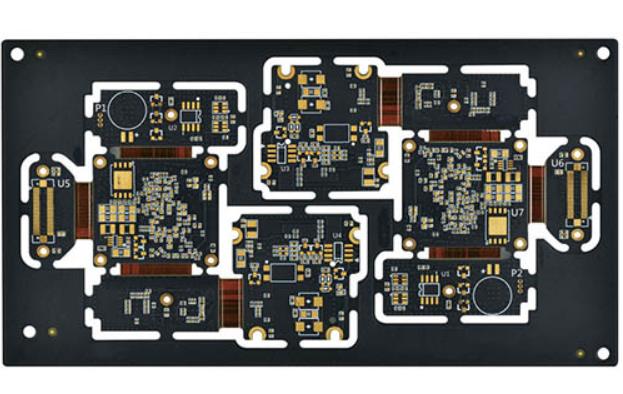
High-End HDI PCB: Design, Materials and Build Control A high-end HDI PCB packs fine traces, small vias, and many layers into a thin board. Standard through-hole technology cannot reach this density, so laser-drilled microvias and sequential lamination take over. These boards carry 5G radios, AI accelerators, medical instruments, and other…
1000 PCS PCB Batch Lead Time: Full Production Timeline A thousand-piece order sits between prototype work and true volume. It is large enough to need real capacity planning, yet small enough that every process step still matters. Lead time for this batch size depends on board complexity, material availability, and…
PCB Batch Supplier Guide: Capabilities, Cost & Lead Time Batch production asks different questions than prototyping does. A sample lot can hide weaknesses that appear only when the same board runs for months. The supplier you choose sets the ceiling on yield, delivery stability and cost per unit. This guide…
Complex PCB Prototype Guide: Materials, Process and Testing A complex prototype rarely fails because of one dramatic mistake. It fails because several small process windows drift at the same time. High layer counts, fine lines, mixed laminates and blind vias all interact, so a change in one step shows up…
Thick Copper PCB Guide: 4oz Power PCB Manufacturing A 4oz copper board carries roughly four times the copper of a standard 1oz layer. That extra metal lowers resistance and spreads heat across the board. Power supplies, motor drives, and battery chargers often need this capability. Standard copper may overheat or…
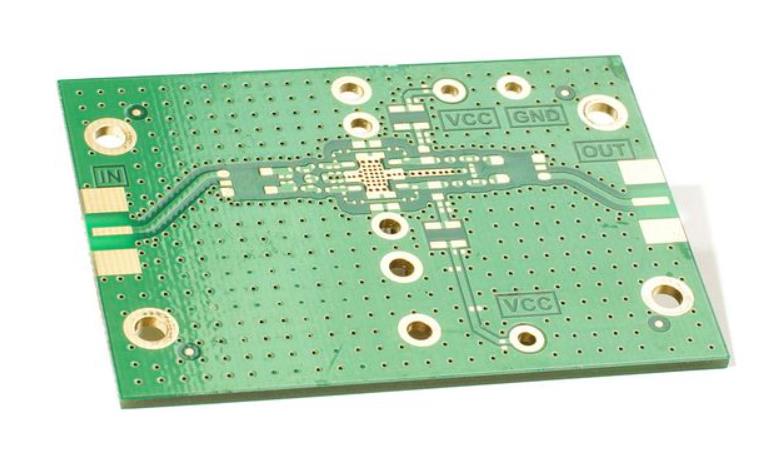
High-Frequency Rogers PCB Manufacturing Process Rogers laminates behave differently from FR4, and the process must follow those differences. Low dielectric constant and low loss keep insertion loss small, but only if fabrication protects the material. Signal traces are sensitive to impedance shifts, surface roughness and dimensional movement. A build that…
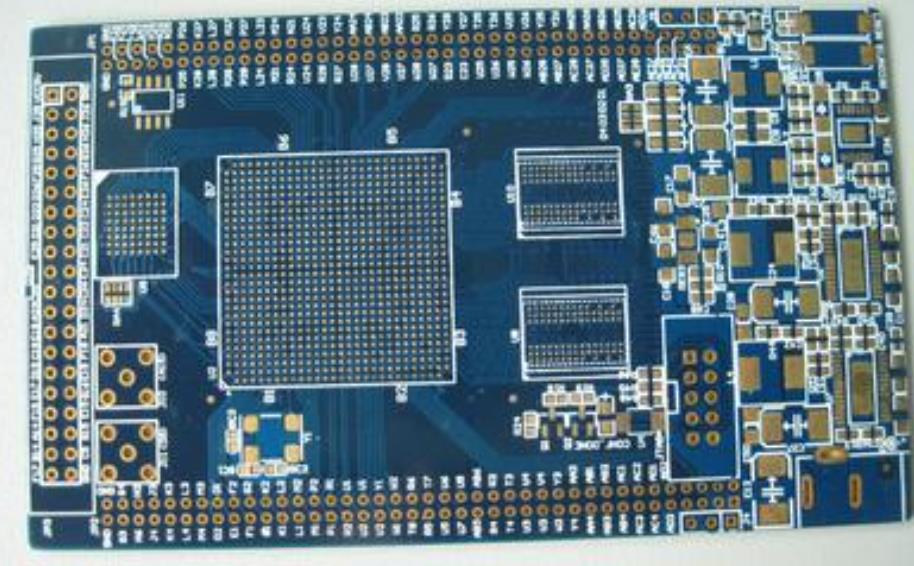
20 Layer Multilayer PCB Manufacturer: Process Checks A 20-layer board packs ten times the routing of a simple double-sided design into one thin package. That density brings real benefits for signal integrity and thermal spreading. It also brings a long chain of process steps where small errors compound fast. This…
10 Layer Any Layer HDI PCB: Stackup and Process Review A 10 layer any layer HDI board is not simply a thicker multilayer board. Every layer can host laser microvias, so routing freedom rises sharply while the process window narrows. The stackup, the dielectric materials and the via fill all…
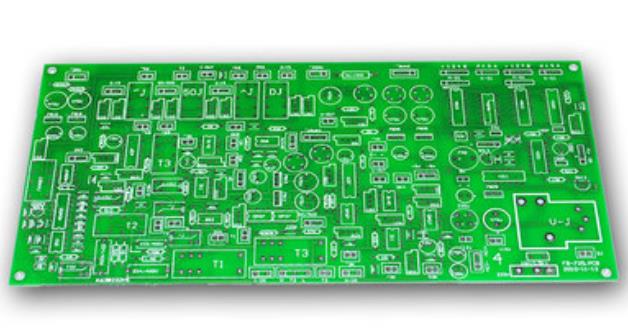
How to Reduce Impedance PCB Manufacturing Costs Impedance-controlled boards carry tighter tolerances than standard boards. That tightness shows up in material selection, stackup design, and process control. Each choice adds cost, but not every choice adds value. The goal is to pay for the control the product actually needs. This…