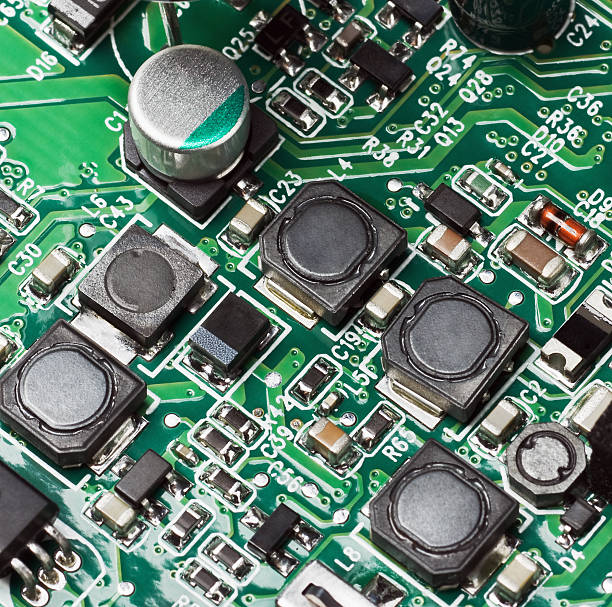
Elevator Control Board EMC: PCB Design, Manufacturing, and EMI Protection Elevators are safety-critical transportation systems that must operate reliably under complex electrical and electromagnetic conditions. The control board acts as the central electronic system, receiving commands, processing sensor signals, controlling motor drives, managing door operation, and communicating with other elevator…
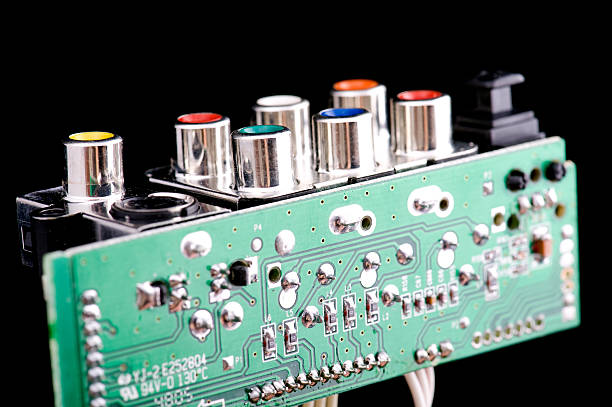
Anti-Counterfeit RFID PCB: How PCB Technology Supports Product Authentication Counterfeit products create significant risks for manufacturers, distributors, and end users. In industries such as pharmaceuticals, electronics, automotive components, luxury goods, industrial equipment, and high-value products, traditional visual labels or printed serial numbers may not provide sufficient protection. An anti-counterfeit RFID…
Quick Turn PCB Prototyping: How to Choose a Fast and Reliable PCB Manufacturer What Is Quick Turn PCB Prototyping? Quick turn PCB prototyping is a PCB manufacturing service designed to shorten the time required to transform an electronic design into a physical prototype. Instead of following the longer production…
PCB Prototyping Manufacturer: How to Choose the Right Partner for Fast, Reliable PCB Prototypes What Is PCB Prototyping? PCB prototyping is the process of manufacturing a limited quantity of printed circuit boards to verify an electronic design before moving into larger-scale production. It provides engineers with a physical version of…
PCB Manufacturing Process: Key Steps, Quality Controls, and Best Practices Printed circuit boards are the foundation of modern electronic products. From industrial controllers and telecommunications equipment to automotive electronics, medical devices, and consumer electronics, PCBs provide the electrical and mechanical platform that connects components and enables reliable signal and power…
Industrial Control PCB Manufacturer: How to Choose the Right Manufacturing Partner Industrial control systems are the backbone of modern automation, manufacturing equipment, robotics, power systems, instrumentation, and other mission-critical applications. At the center of these systems is the industrial control PCB, which connects processors, sensors, communication interfaces, power circuits, and…
PCB Manufacturing: How to Choose the Right PCB Manufacturer What Is a PCB Manufacturer? A PCB manufacturer converts an electronic design into a physical printed circuit board that can be assembled with electronic components. From smartphones and computers to industrial controllers, medical equipment, automotive electronics, communication systems, and AI hardware,…
ENIG Surface Finish for Metallized Half-Hole PCBs: Process, Benefits, and Key Controls What Is a Metallized Half-Hole PCB? A metallized half-hole PCB, commonly known as a castellated hole PCB, uses plated holes that are partially cut along the board edge. After routing or milling, the remaining plated sections form semicircular…
High-Frequency Hybrid PCB Lamination: Process Comparison and Material Selection High-frequency electronic systems increasingly combine different PCB materials to meet demanding electrical, thermal, mechanical, and cost requirements. Instead of manufacturing an entire board from a single laminate system, engineers may use a hybrid PCB construction that combines conventional FR-4 with low-loss,…
5G PCB Impedance Control: Key Factors, Manufacturing Methods, and Quality Assurance As 5G communication technology continues to advance, higher data rates, higher operating frequencies, and increasingly complex hardware architectures are placing greater demands on PCB signal integrity. In this environment, 5G PCB impedance control is a critical manufacturing requirement…