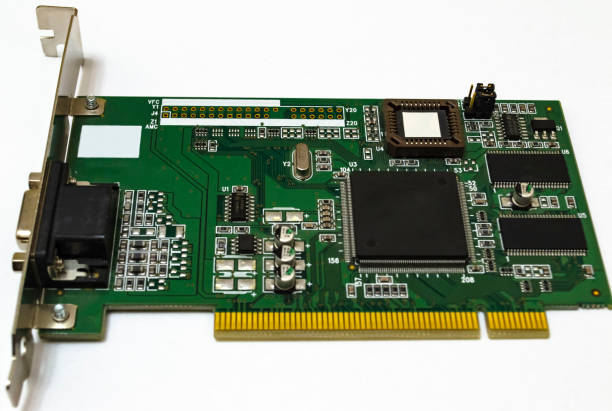
What Factors Affect PCB Pricing? A Complete Guide for PCB Buyers What Factors Affect PCB Pricing? PCB pricing is an important consideration for electronics manufacturers, product developers, and procurement teams. Whether you are ordering prototypes, low-volume production, or large quantities, the price of a PCB is rarely determined by…
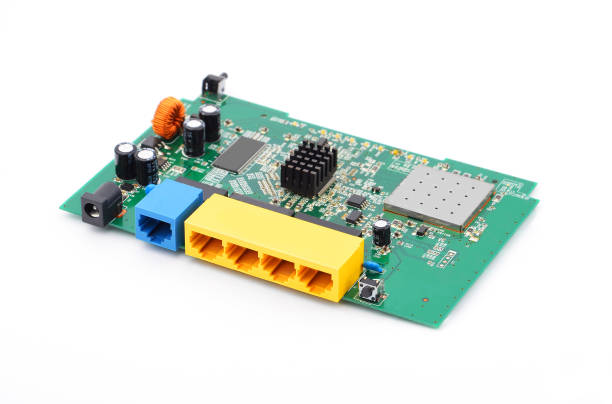
EV charging station PCB Power Module PCB: Design and Manufacturing Requirements EV Charging Station Power Module PCB: A Critical Part of Charging Infrastructure The rapid expansion of electric vehicles (EVs) is driving strong demand for reliable and efficient charging infrastructure. Whether used in residential garages, commercial parking facilities, or high-power…
Low-Power PCB for IoT Devices: Key Design and Manufacturing Considerations Low-Power PCB for IoT Devices The rapid growth of the Internet of Things (IoT) has led to the widespread deployment of connected devices in smart homes, industrial monitoring, environmental sensing, healthcare, and other applications. Many of these devices are expected…
FR4 PCB High-Frequency PCB Materials: Key Differences and Applications Choosing the right substrate is one of the most important decisions in PCB development. Material properties directly affect impedance, signal integrity, thermal performance, mechanical reliability, manufacturing cost, and long-term product performance. Among the many PCB substrate options available today, FR4 and…
ENIG PCB vs. HASL: Which PCB Surface Finish Is More Durable? The same discipline applies to ENIG PCB, where a small process drift turns into a large yield loss. When selecting a surface finish for a printed circuit board, durability is an important consideration. The surface finish affects solderability,…
What Parameters Are Required for an impedance controlled PCB? Modern smartphones, servers, communication equipment, networking hardware, and other electronic products increasingly depend on high-speed signal transmission. As data rates and operating frequencies increase, signal integrity becomes more difficult to maintain. The same discipline applies to impedance controlled PCB, where a…
radar system PCB High-Frequency Manufacturing Requirements and Reliability Why High-Frequency PCBs Matter in Radar Systems Radar systems rely on high-frequency electromagnetic signals to detect, locate, track, and identify targets. Within these systems, the PCB provides the electrical platform for RF signal transmission, processing, control, and power distribution. The same discipline…
PCB Copper Thickness Explained: Applications of Standard, Heavy, and Ultra-Heavy Copper Copper thickness is one of the fundamental parameters that determines a PCB’s electrical and thermal performance. Different applications require different copper weights depending on current load, heat dissipation, mechanical constraints, signal requirements, and overall board design. From…
High-Frequency medical imaging PCB for Equipment: Manufacturing and Quality Requirements Medical imaging equipment plays a critical role in modern healthcare by helping physicians obtain detailed information about a patient’s internal condition. Technologies such as CT, MRI, and ultrasound rely on sophisticated electronic systems to acquire, process, and transmit large…
Communication Test Equipment PCB: Key Requirements for High-Precision and High-Reliability Manufacturing SEO Title: Communication Test Equipment PCB: Manufacturing Requirements and Quality Control Meta Description: Explore the key requirements for communication test equipment PCBs, including high-frequency signal integrity, material selection, impedance control, advanced manufacturing, and quality testing. Core Keywords: communication test…