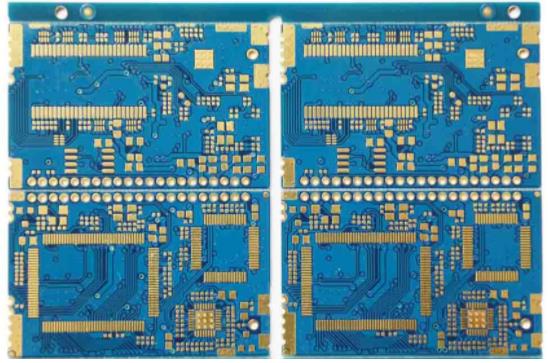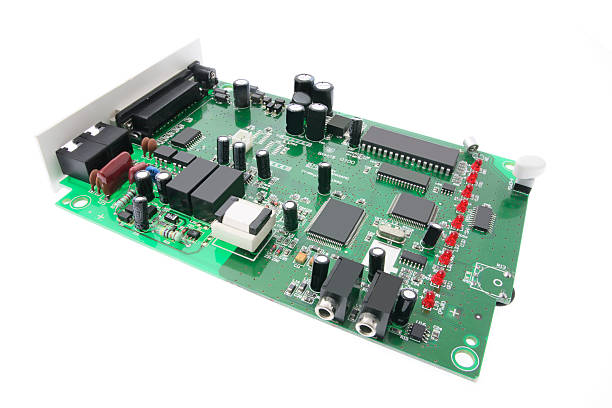
PCB Production Files: Gerber, Drill and Manufacturing Data A production package is the handoff between design intent and the factory floor. It carries the artwork, the hole data and the written requirements that operators, engineers and inspectors all work from. When that package is complete, the job moves without questions.…
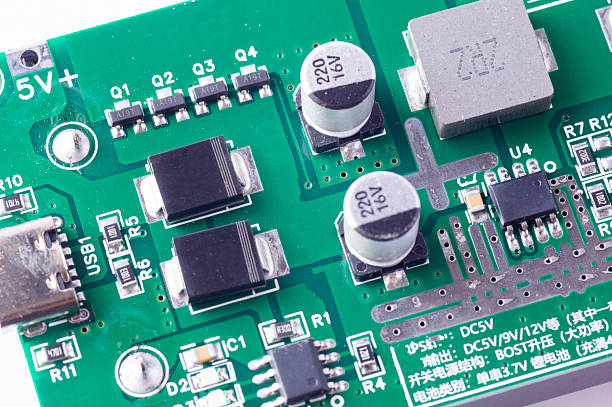
Professional PCB Manufacturing: Technology and Quality Professional PCB manufacturing is a chain of controlled steps, not one machine. Material selection, imaging, drilling, plating, lamination and inspection each change the finished board. A capable factory links these steps with process data and engineering review. Buyers should judge a supplier by how…
High-Precision Multilayer PCB Manufacturing Process A high-precision multilayer board is not defined by its layer count alone. It is defined by how tightly the factory controls layer registration, hole position, copper thickness, dielectric spacing and surface finish. Those controls decide whether vias connect, whether impedance holds and whether the panel…
Blind and Buried Via PCB Manufacturing: Key Challenges A blind via reaches from an outer layer to an inner layer without crossing the full board. A buried via connects inner layers only and never appears on either surface. Both structures free routing space and shorten signal paths in dense designs.…
Medical PCB Cleaning Standards: Process, Testing & Compliance Flux residue left on a medical board rarely shows up as a visible stain. It sits around component leads, under connectors, and inside vias, where it waits for humidity. The cleaning step decides whether that residue becomes a leakage path months later…
ENIG PCB vs HASL PCB: A Complete Comparison The finish on exposed copper decides how a board solders, stores and survives. ENIG and HASL both protect pads, yet they work in opposite ways. One builds a thin chemical nickel-gold layer. The other coats pads with molten solder and levels it…
High Tg PCB Applications: Where They Are Used High Tg boards earn their place where heat and load arrive together. The glass transition temperature marks a shift in the resin system. Below that point the laminate stays stiff and holds its shape. Above it, the resin softens and expands more…
PCB Functional Testing: Building a Custom Test Solution A generic test program rarely fits a real board. Each PCB carries its own power rails, signal types, interfaces and failure risks. A test plan copied from another project may miss the faults that matter most. Building a custom solution starts with…
PCB Board Price: 10 Key Factors That Shape Cost The PCB board price on a quotation rarely comes from one number. It grows out of a set of decisions taken long before the file reaches the fab. Board size, layer count, material grade, finish type, hole geometry and order quantity…
Miniaturized PCB Manufacturing: Design to Assembly Small products put pressure on every step of board production. A wearable, a sensor node or a handheld medical device needs more function in less area, and the board must still work reliably. Miniaturized PCB manufacturing is not simply a shrink of a standard…