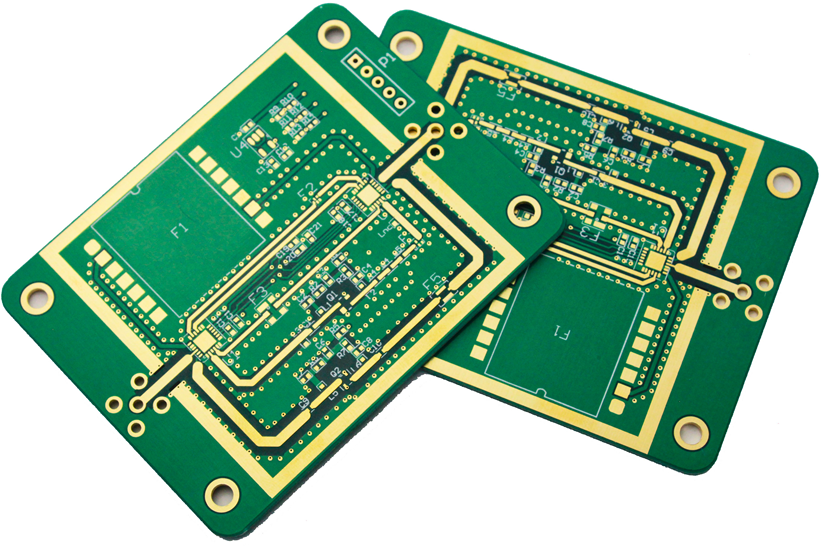
How to Choose the Right PCB Surface Finish for Your Project The primary purpose of a PCB Surface Finish is to protect exposed copper, maintain reliable solderability and electrical performance, and improve the long-term stability of the circuit board. Choosing the right finish requires more than simply comparing prices.…
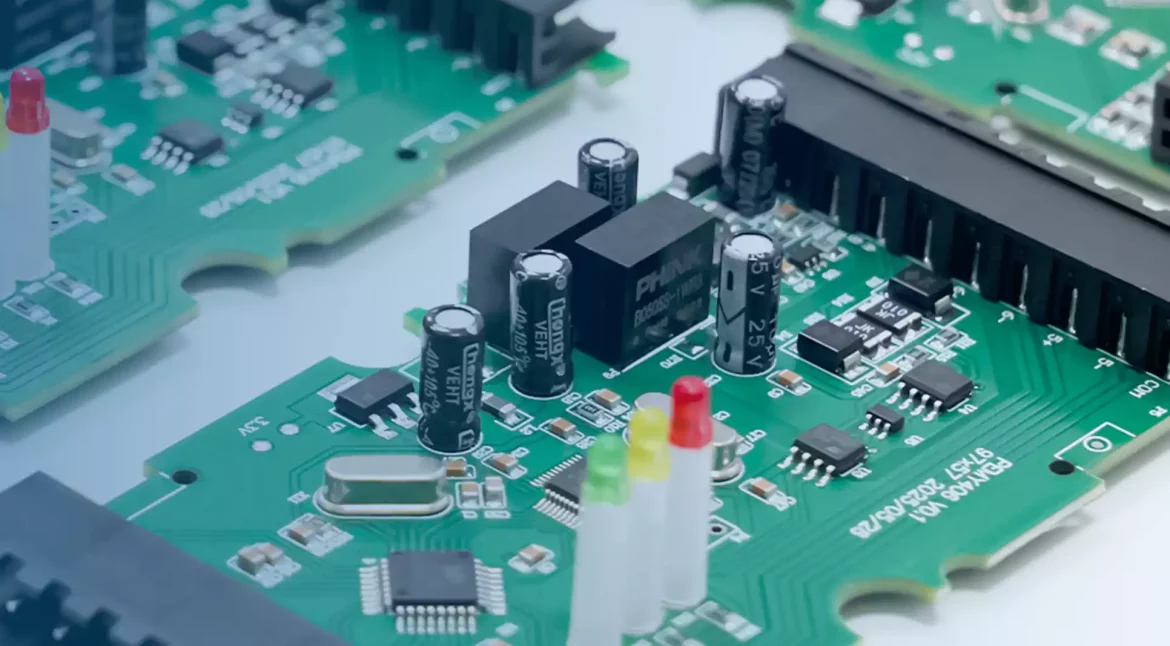
Heavy Copper PCB Prototyping for Industrial Power Boards Industrial control systems depend on stable and efficient power distribution. In these applications, the PCB is not simply a carrier for electronic components—it is a critical part of the power architecture. As current loads, operating temperatures, and reliability requirements continue to increase,…
High Railway PCB Manufacturing for Railway Control Systems Rail transportation depends on electronic systems that must operate continuously and reliably under demanding environmental and operational conditions. From high-speed rail to metro networks, railway signaling and control systems perform critical functions including train monitoring, communication, speed control, route management, and safety…
Railway Signal PCB: High-Reliability PCB Solutions for Rail Transit Systems Rail transportation is a critical part of modern urban and intercity mobility, and operational safety depends heavily on reliable signaling and control systems. As the physical platform for signal acquisition, processing, communication, and control, the PCB plays an essential role…
High Railway Signaling PCB for Reliability PCB Rail transportation is a critical part of modern urban and intercity infrastructure, where operational safety and efficiency depend heavily on reliable signaling systems. From train detection and speed monitoring to route control and communication, railway signaling equipment must process and transmit data…
Rail Transit PCB for Reliable Train Door Control Systems Railway doors are a critical interface between passengers and the train. Their reliable operation directly affects passenger safety, transportation efficiency, and overall travel experience. Behind the precise opening and closing of train doors, real-time status monitoring, fault detection, and emergency control…
Heavy Copper PCB: High-Current Power PCB Manufacturing Guide In power transmission, energy conversion, and industrial electronics, printed circuit boards serve as essential platforms for both electrical conduction and signal transmission. As electronic systems continue to operate at higher power levels and current densities, conventional PCB structures may no longer provide…
PCB Prototyping vs. Low-Volume vs. Mass Production: How Are They Defined? In PCB manufacturing, PCB Prototyping, low-volume production, and mass production represent different stages of product development and manufacturing. Although there is no single global quantity standard that applies to every PCB manufacturer, these production categories are commonly distinguished…
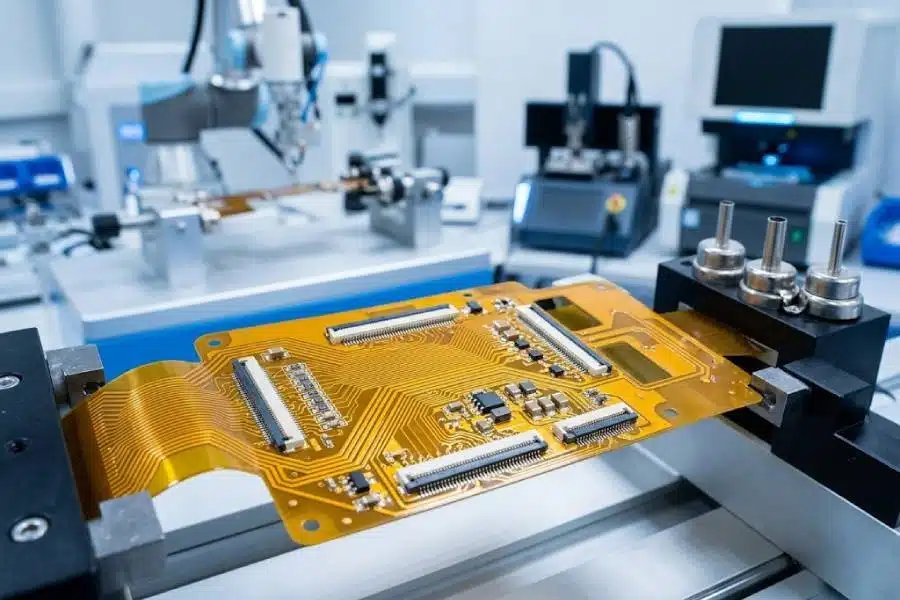
Special Lamination Process for Rigid-Flex PCBs A Rigid-Flex PCB combines the mechanical stability of rigid circuit board sections with the flexibility of flexible circuit sections. This unique structure allows electronic designers to integrate rigid mounting areas and flexible interconnection areas into a single circuit board. Compared with conventional rigid…
30-Layer PCB Manufacturer for High-Performance Electronics As electronic systems continue to become smaller, faster, and more complex, conventional circuit board structures are often unable to provide sufficient routing capacity and electrical performance. A 30-layer PCB offers a high-density platform for integrating signal, power, and ground networks within a compact…