Surface Mount Technology (SMT)

Surface Mount Technology (SMT): Process, Advantages, Components, and Manufacturing Trends

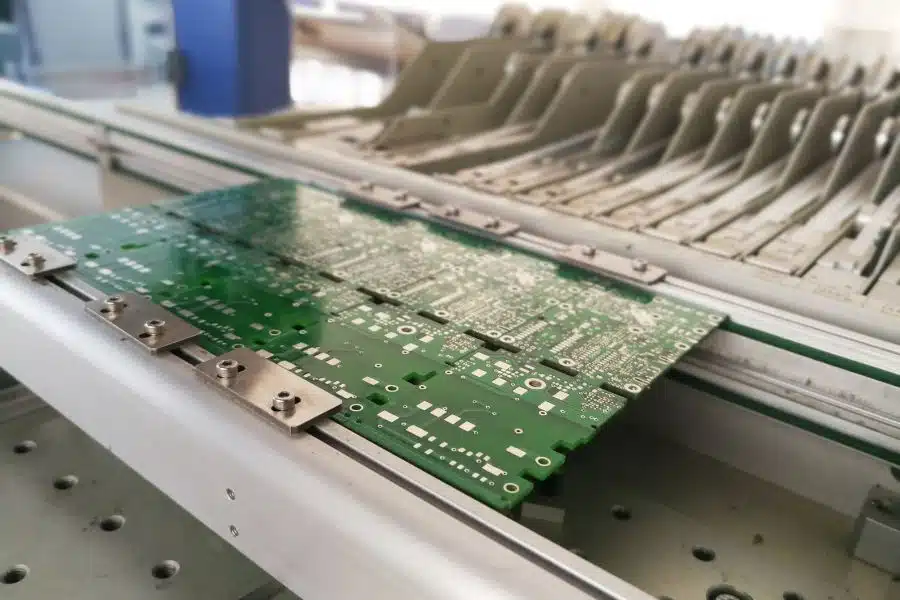
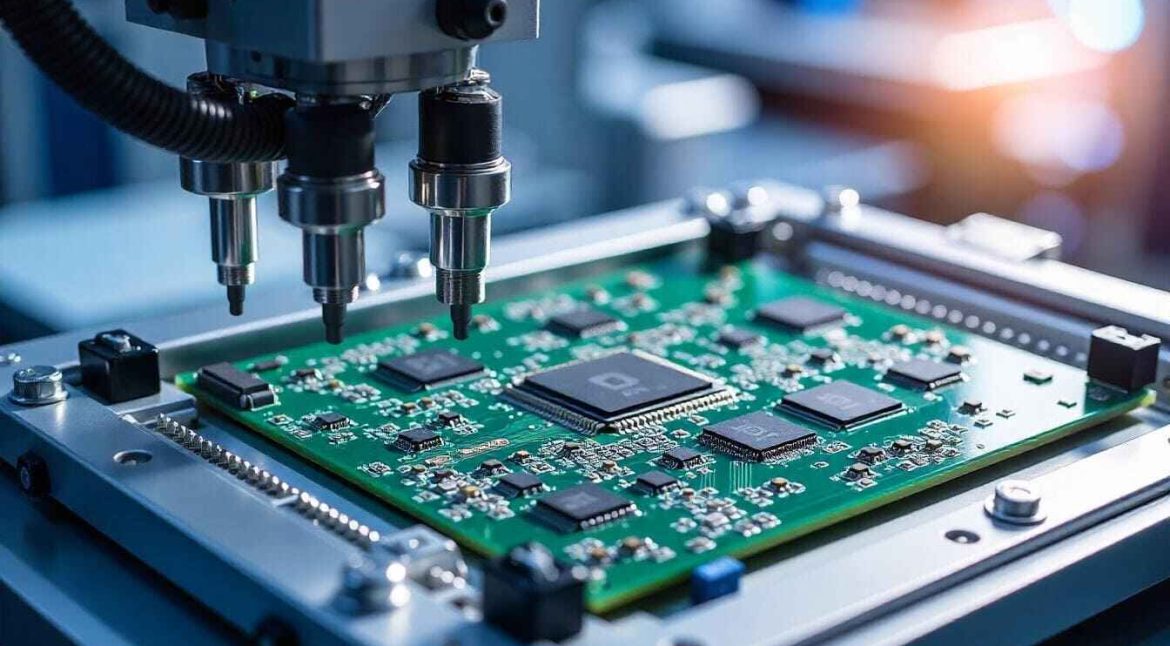
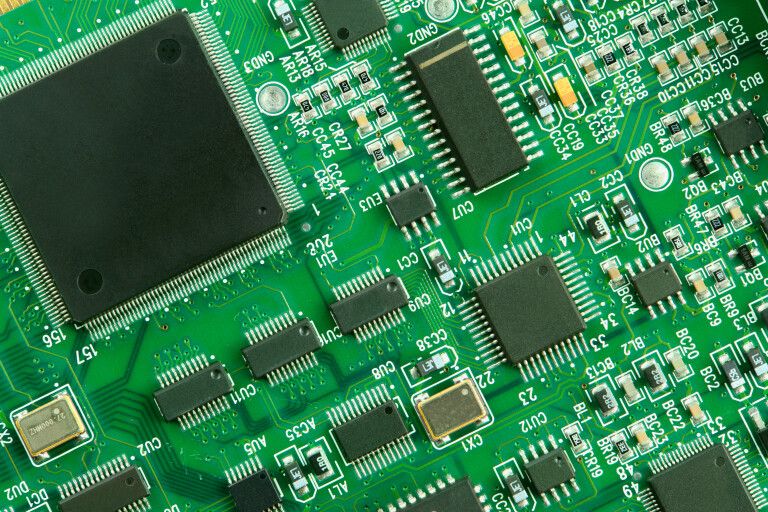
Surface Mount Technology (SMT) has fundamentally transformed modern electronics manufacturing by enabling electronic components to be mounted directly onto the surface of a printed circuit board (PCB). Compared with traditional Through-Hole Technology (THT), SMT supports smaller component packages, higher assembly density, faster automated production, and improved suitability for compact and…
SMT Surface Mount Technology

SMT Surface Mount Technology: Process, Components, Advantages, and Applications

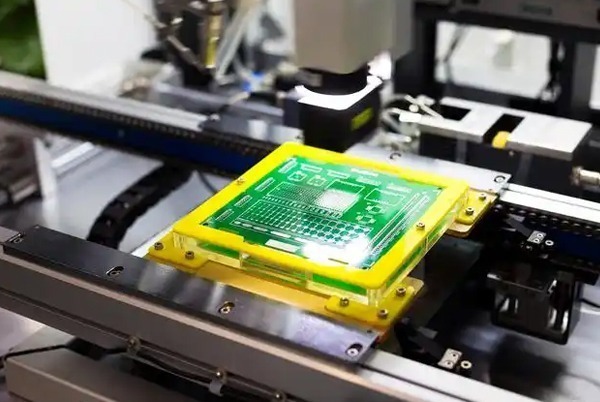
Surface Mount Technology (SMT) has become one of the most widely used manufacturing technologies in modern PCB assembly. By mounting electronic components directly onto the surface of a printed circuit board (PCB), SMT enables manufacturers to produce smaller, lighter, faster, and more reliable electronic products while supporting highly automated production.…
Through-Hole PCB Assembly, Through-Hole Technology, THT Assembly, PTH PCB Assembly, Through-Hole PCB, Through-Hole Assembly

Through-Hole PCB Assembly: Process, Advantages, Applications, and THT vs. SMT

Reliable printed circuit boards are essential for the consistent operation and long-term performance of electronic products. Although Surface Mount Technology (SMT) has become the dominant assembly method for compact and high-volume electronics, Through-Hole PCB Assembly remains an important manufacturing solution for applications that require high mechanical strength, excellent durability, strong…
Through-Hole PCB Assembly

Through-Hole PCB Assembly: Process, Advantages, Applications, and Limitations

Through-hole PCB assembly is a proven electronic manufacturing technology in which component leads are inserted through drilled holes in a printed circuit board (PCB) and soldered to copper pads. Although surface mount technology (SMT) has become the dominant assembly method for compact and high-density electronics, through-hole technology (THT) remains an…
Through-Hole Technology (THT) PCB Assembly

Through-Hole Technology (THT) PCB Assembly: Process, Advantages, Issues, and Applications

Through-Hole Technology (THT) is a proven method for mounting electronic components onto printed circuit boards (PCBs). Unlike surface mount technology (SMT), THT requires component leads to pass through pre-drilled holes in the PCB and be soldered to pads on the opposite side. This creates a strong mechanical and electrical connection,…
10 Steps of the PCB Assembly Process

10 Steps of the PCB Assembly Process: From Bare PCB to Finished PCBA

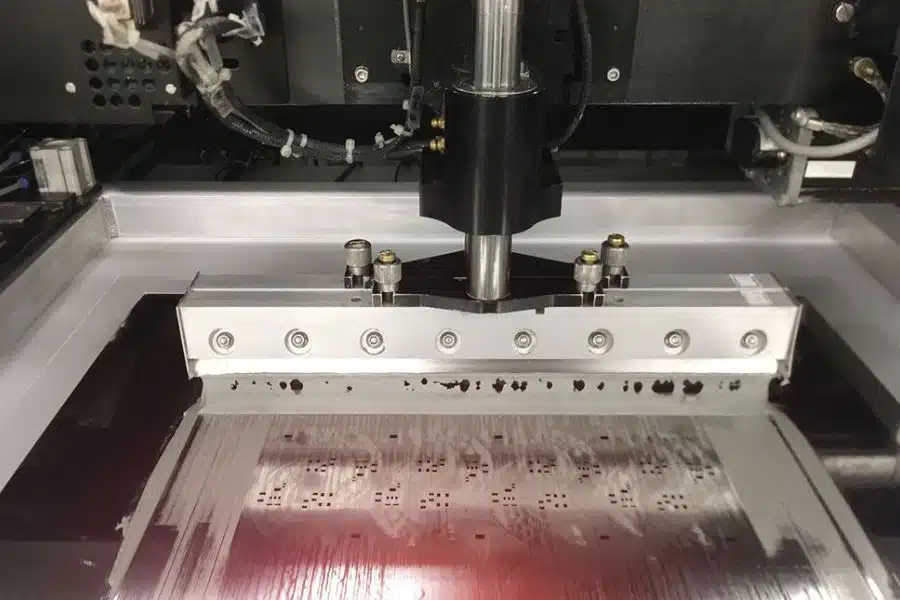
A professional PCB assembly process transforms a bare printed circuit board into a reliable, fully functional electronic assembly. From SMT stencil fabrication, solder paste printing, and component placement to reflow soldering, AOI inspection, X-ray inspection, and functional testing, every stage directly affects the quality, reliability, and performance of the finished…
PCB Assembly Process

PCB Assembly Process: A Step-by-Step Guide for Beginners

In modern electronics manufacturing, almost every electronic product depends on one essential component: the printed circuit board (PCB). A PCB provides the electrical and mechanical foundation that connects electronic components, distributes power, transmits signals, and enables a complete electronic system to operate reliably. For beginners, understanding the PCB assembly process…
Korea PCB Manufacturer

Korea PCB Manufacturer: Selection Guide, Lead Time, Production Capacity and Global Sourcing

Looking for a reliable Korea PCB manufacturer for prototypes, small-batch production, or high-volume manufacturing? Choosing the right PCB supplier requires more than comparing unit prices. Engineering capability, material availability, manufacturing quality, lead time, production capacity, quality control, and technical communication all have a direct impact on project success. South Korea…